WHAT’S HOT NOW

GOPAL KRISHNA SAD SONGS 003

GOPAL KRISHNA SAD SONGS 002

GOPAL KRISHNA SAD SONGS 001

ಗುರುವಾರ ಕೇಳಿ ಶ್ರೀ ರಾಘವೇಂದ್ರ ರಕ್ಷಾ ಮಂತ್ರ

Tuesday, 9 January 2024

Philip of Macedon’s palace reopens

The great palace built by Philip II of Macedon at Aegae, the royal capital of the Macedonian kings near modern-day Vergina, has reopened to the public after a 16-year project of repair and restoration.
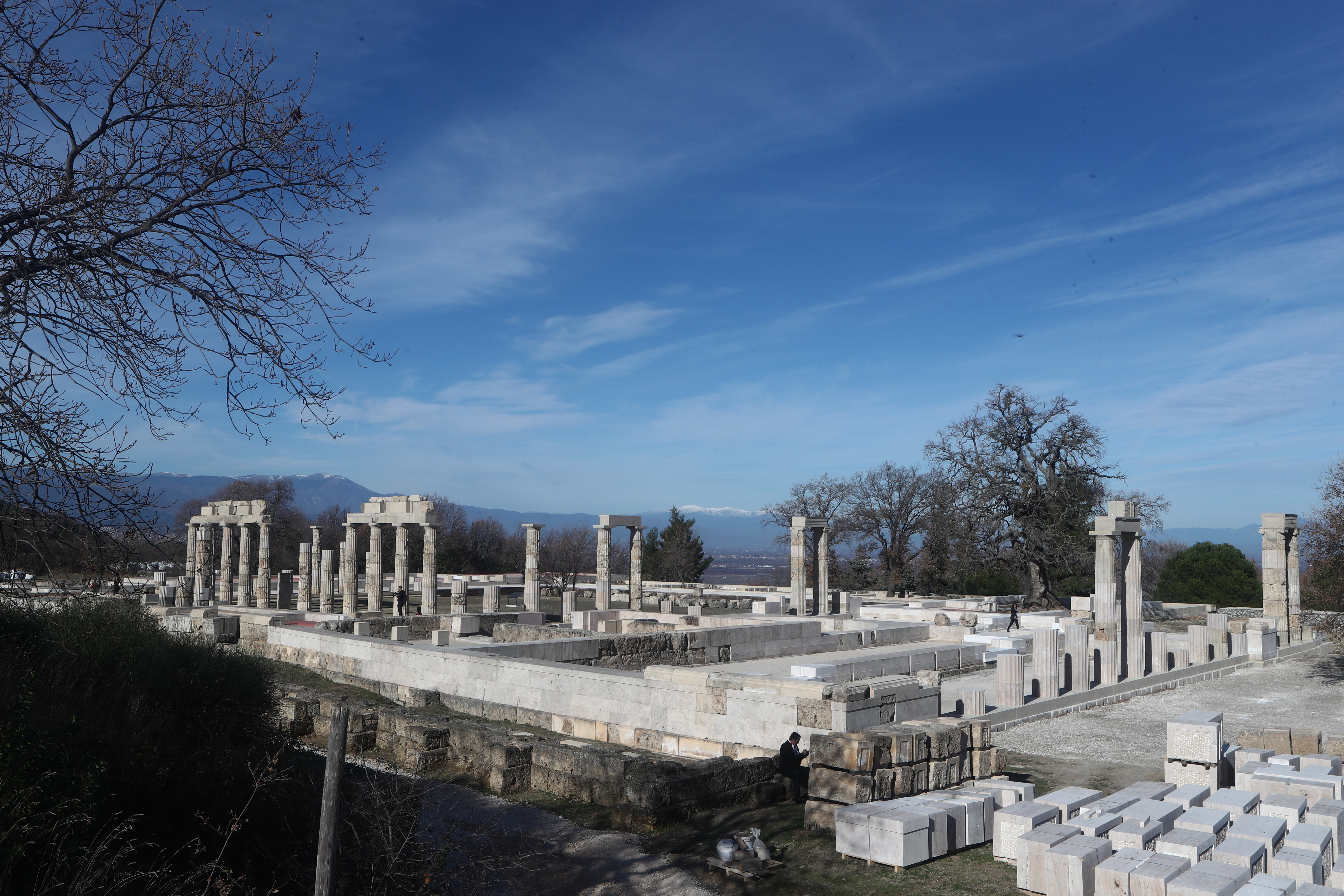
Built in the mid-4th century and completed by 336 B.C., the palace was the centerpiece of Philip’s construction program that would transform Aegae into a dazzling royal metropolis. “I, the ruler, and my people coexist in this building, the palace of the Aigai,” Philip wrote in an inscription. The palace was more than 160,000 square feet in area, three times larger than the Parthenon, and was the largest building in Classical Greece. Philip spared no expense in the opulence of the materials, elegant geometry of the design and the latest in technological advancements, including an elaborate drainage and water supply system fed by mountain springs.
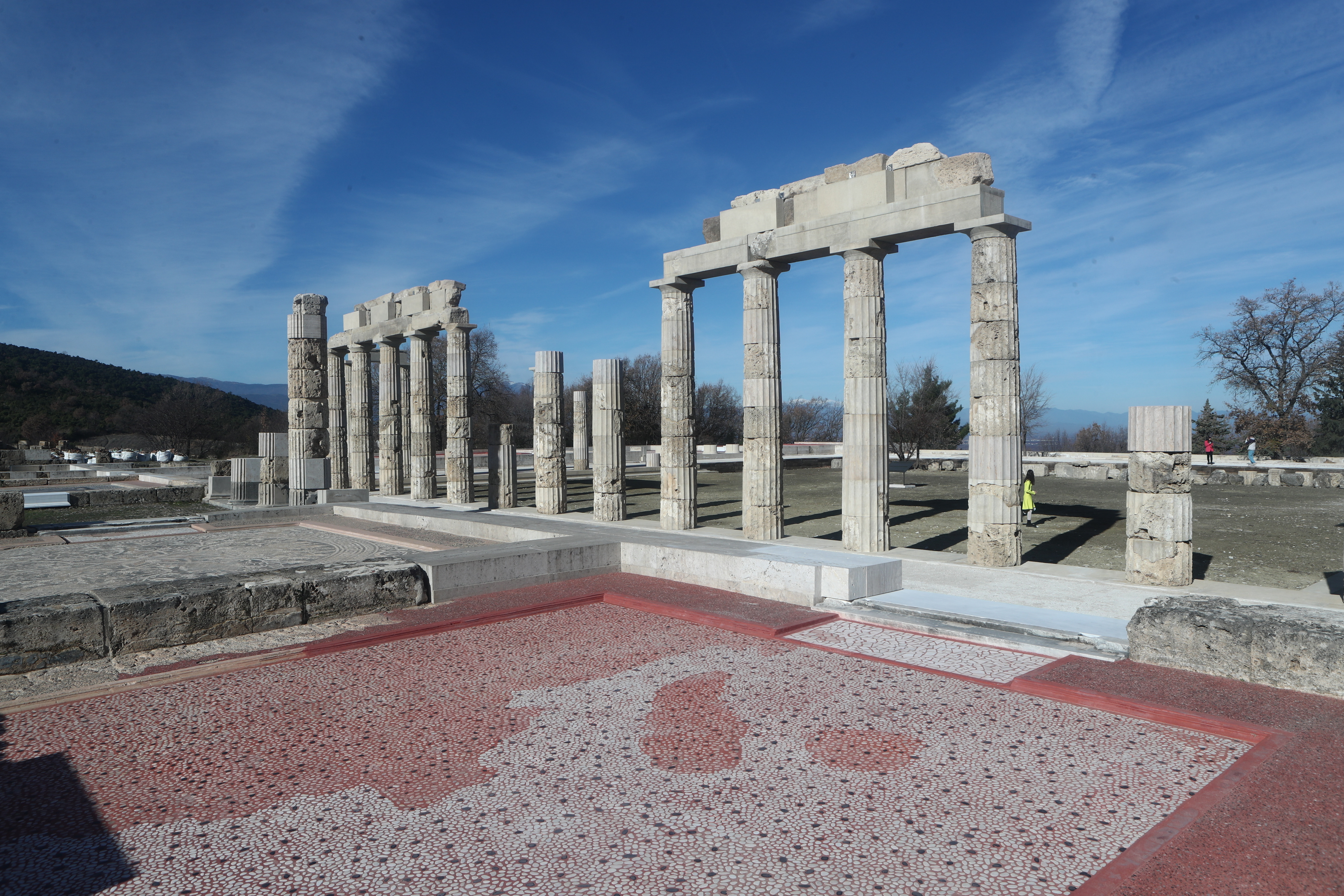
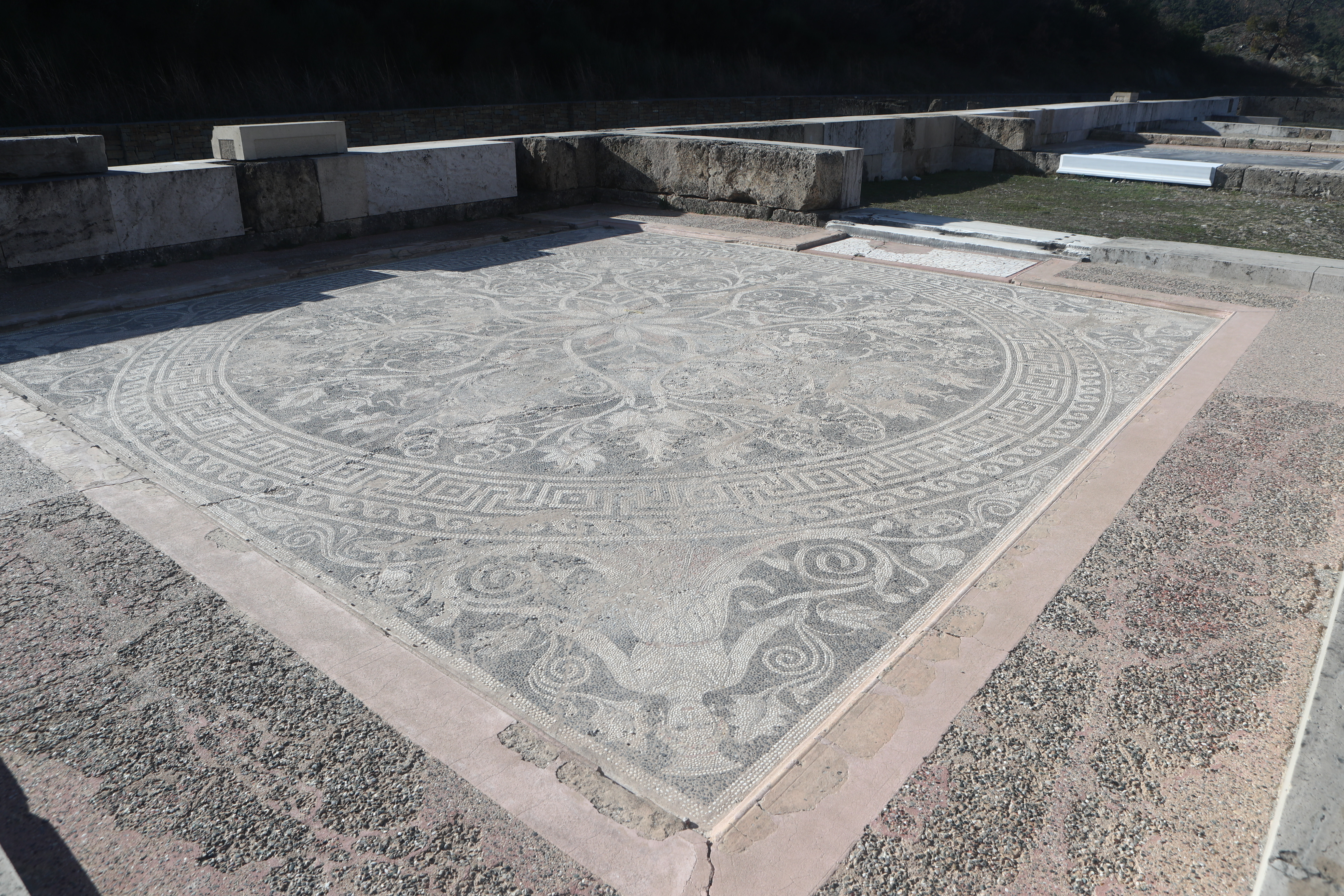
It had a two-story façade with a monumental propylon (a temple entrance) opening into an enormous peristyle (row of columns surrounding an open space). The peristyle had 16 massive Doric columns on each side forming a square that was the first of its kind. The square was 43,000 square feet and could comfortably accommodate 8,000 people. It was the central gathering place for the citizens of Aegae, the political and social heart of the city. The palace offered spaces for banqueting, symposia, a library and archive, a gymnasium, a tholos (round temple) dedicated to Herakles and other structures to perform public and administrative functions of all kinds.

The palace was complete in time for the wedding of Philip’s daughter Cleopatra by his fourth wife Olympias (also mother of Alexander the Great) to Alexander I of Epirus, Olympias’ brother and therefore his bride’s uncle. It was during the celebration in 336 B.C. that Philip was assassinated in the theater next to the palace. Under the shadow of the Doric colonnade of the mega peristyle, Philip’s son Alexander was proclaimed king and would go on to change the world in the 13 years remaining of his extraordinary life.
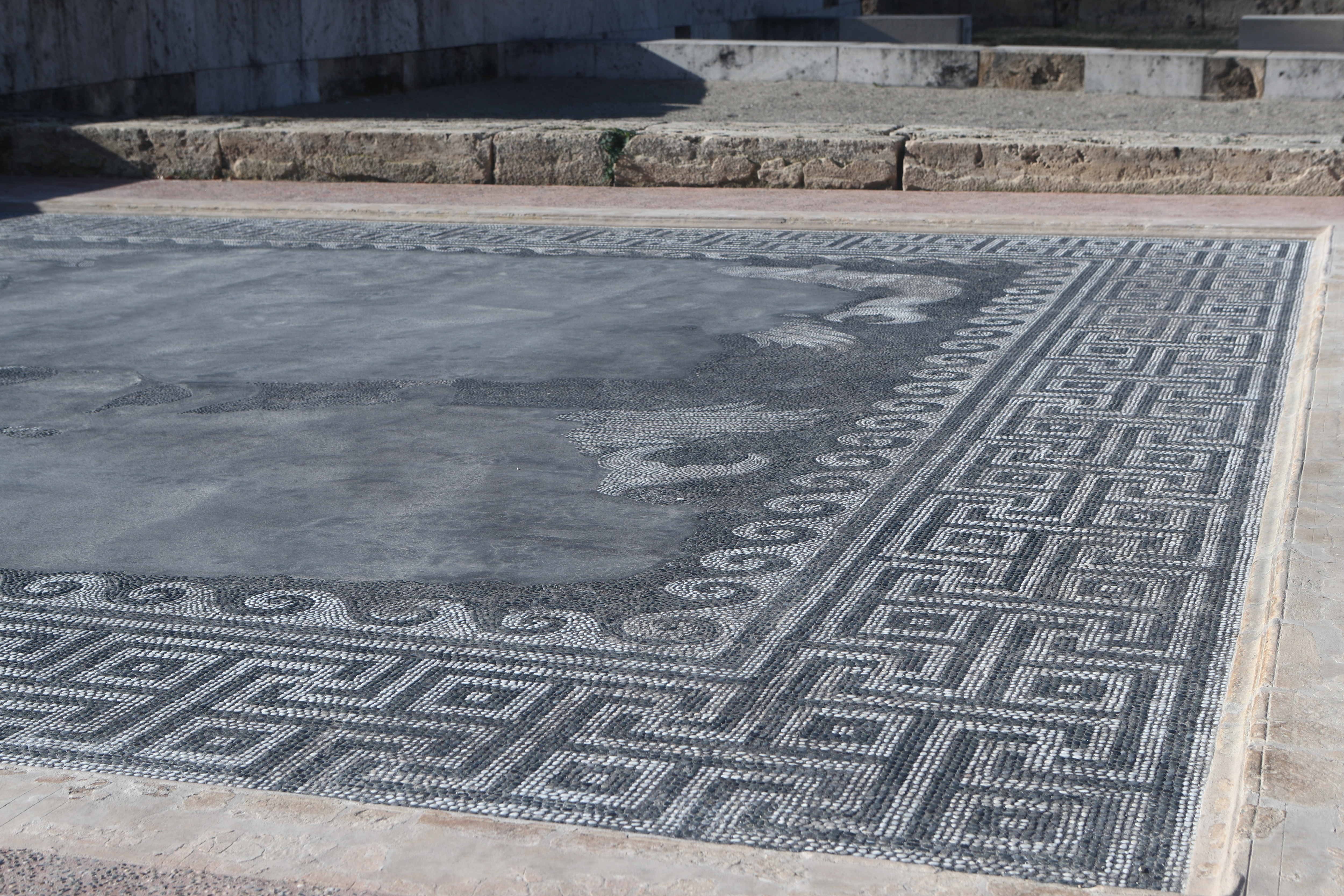
Philip’s royal palace was destroyed after the Roman conquest of the kingdom in 148 B.C. Its prized building materials were looted for centuries and over time the location of the palace was lost under layers of earth. Its remains were discovered in 1865 and excavations uncovered more of it in subsequent decades.

Reconstruction began by the Ephorate of Antiquities of Imathia in 2007, and lasted to 2023. It was funded by several European Union funding programs at a total cost of 20.3 million euros. Works included maintenance, structural support, restoration, and reconstruction of the monument.

The restoration project was expanded into the surrounding complex (the 15,000 sq.m.) and the area beyond (nearly 25,000 sq.m.). Excavations and registration of thousands of portable findings and architectural components of stone (tens of thousands) were carried out on the entire site, as well as the restoration of a section of the roof of the museum’s atrium. Earth support works were also included.

Dr Angeliki Kottaridi was the scientific and administrative supervisor of the entire project at all stages, with the help of a team that included a civil engineer, an architect, archaeologists, conservators, and craftsmen. Some 70-160 people worked on the site at various times.


* This article was originally published here

Are You Experiencing Frequent Bloating? Get Screened For Stomach Cancer, Check Oncologist Advise

Observe your body, and symptoms, get yourself evaluated, be safe, and be on time. Check symptoms, treatment, preventive tips and more, read here.

from Zee News :Zee News - Health https://ift.tt/IYmaD5d

Monday, 8 January 2024

Second Dynasty rock-cut tomb found in Saqqara

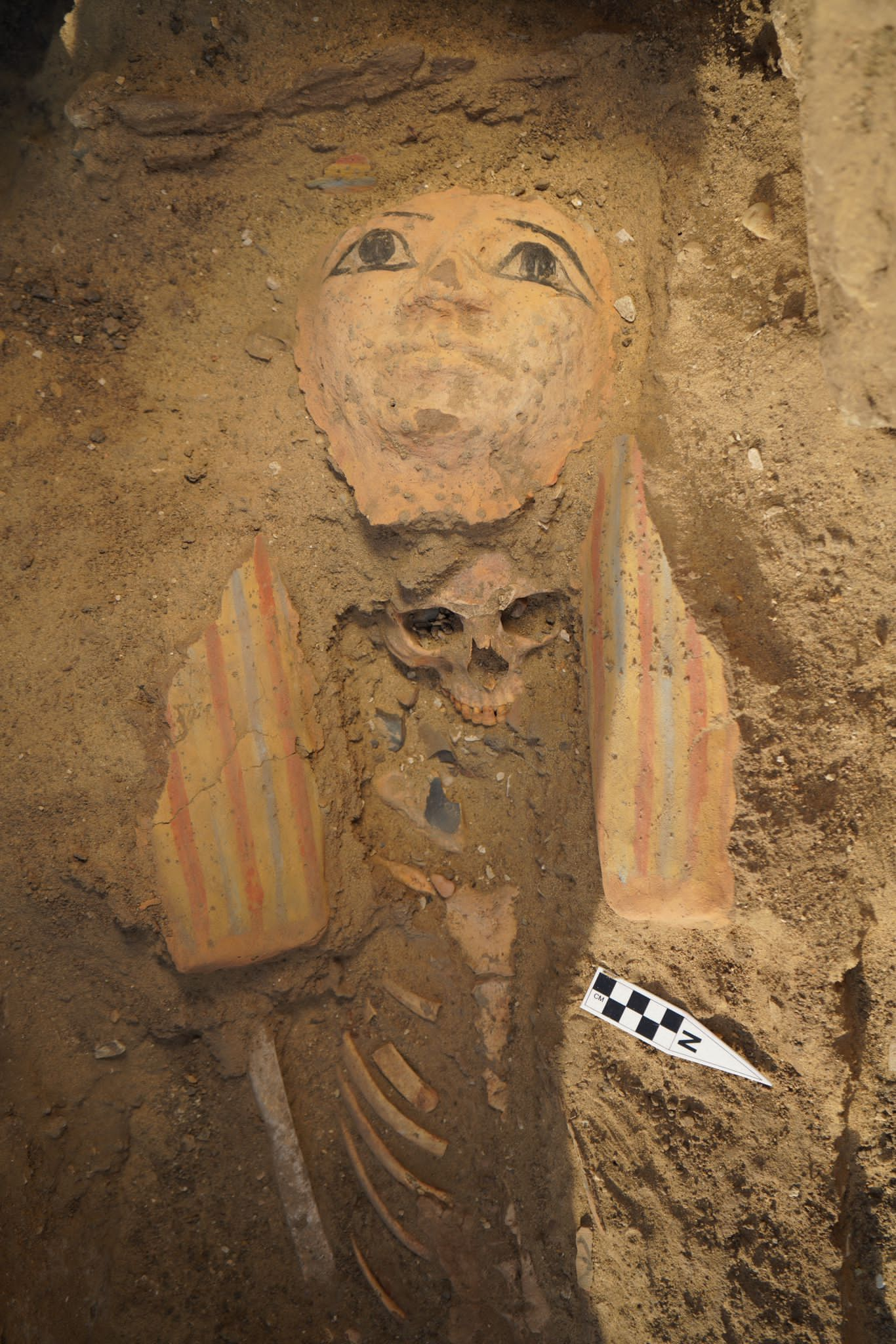
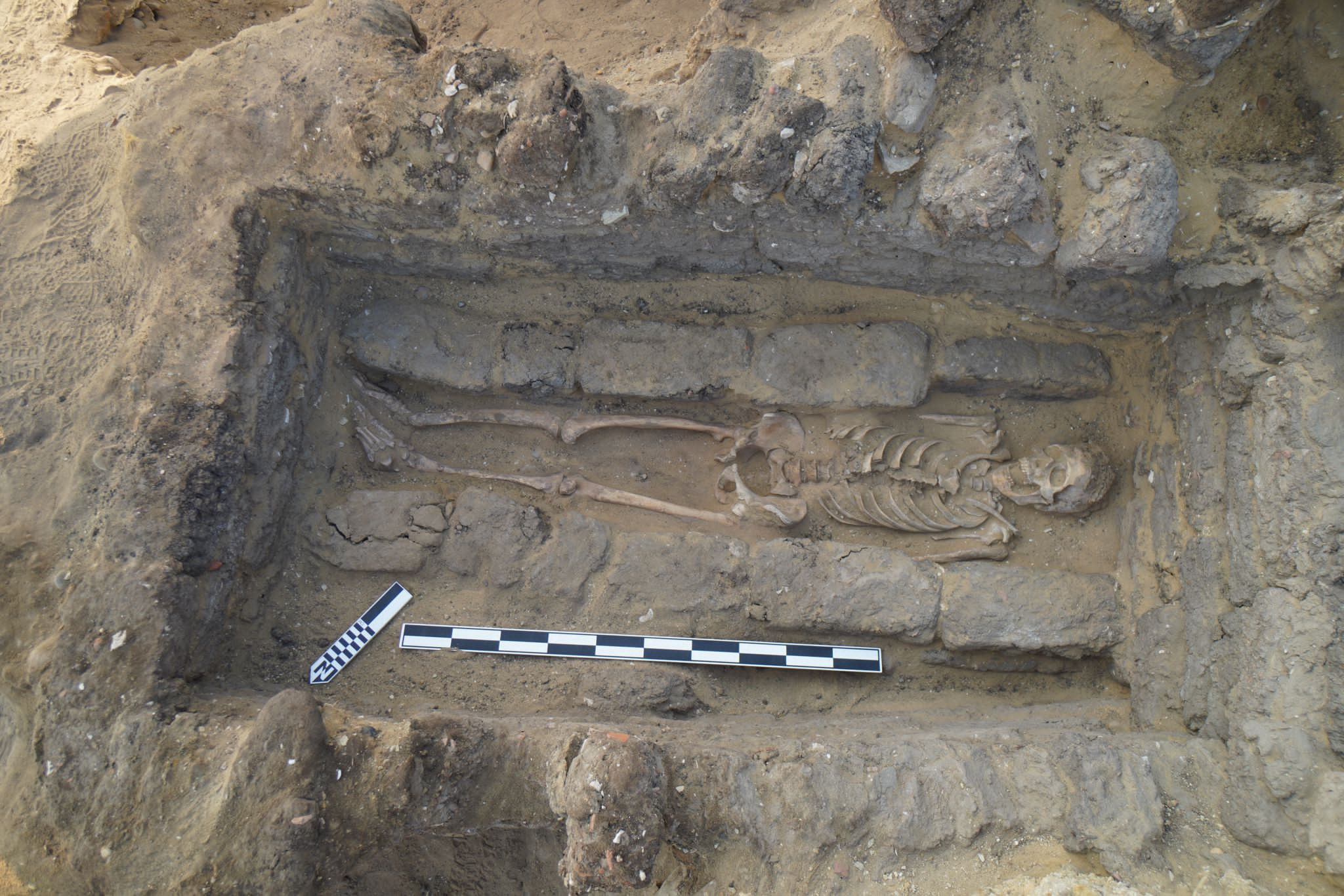
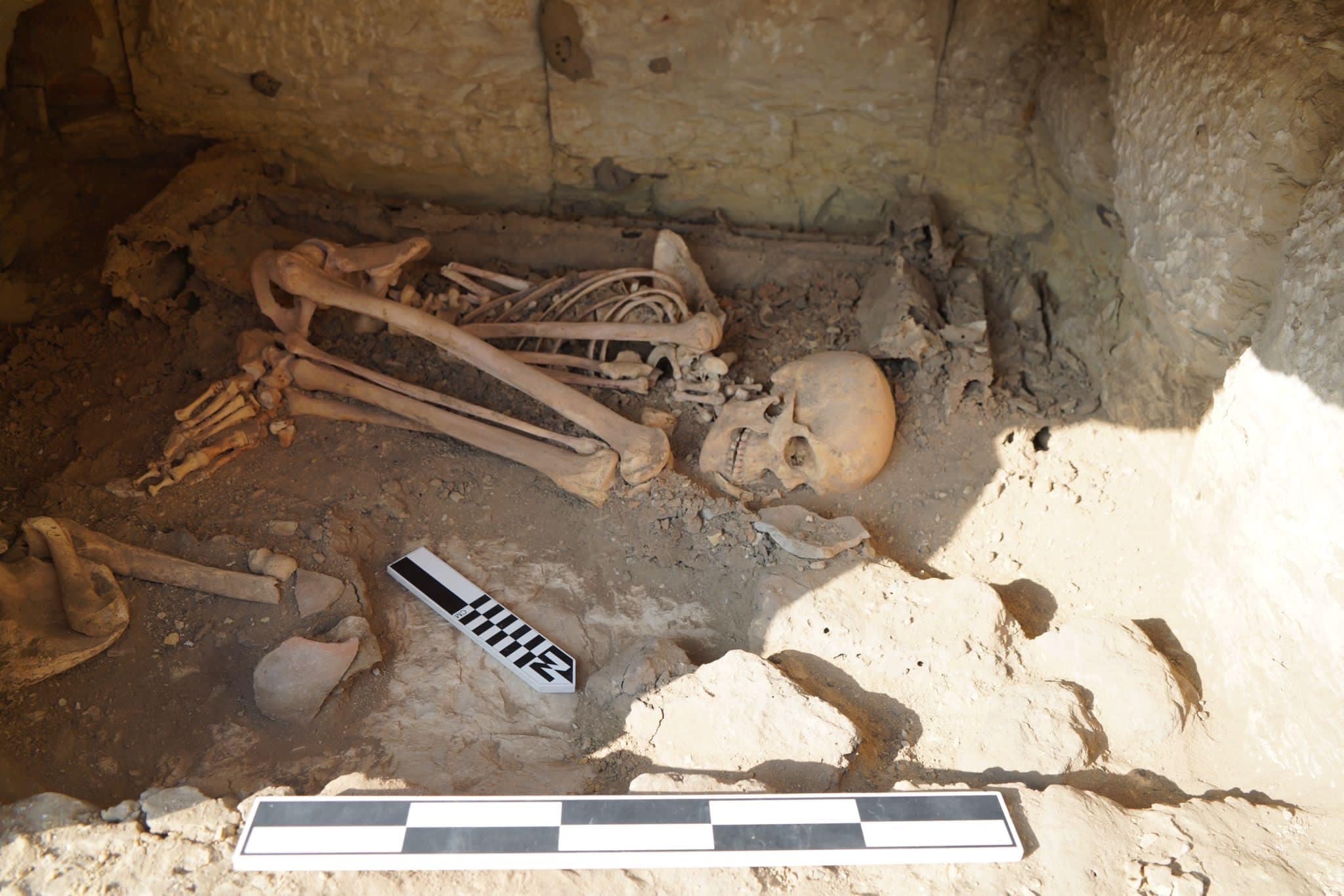
A joint Egyptian-Japanese archaeological mission excavating the Saqqara necropolis has discovered an intact rock-cut tomb dating to the Second Dynasty (ca. 2890 – ca. 2686 B.C.) of the Old Kingdom. The tomb contains the remains of an adult and a small child.

The architectural marvel, believed to date back to the Second Dynasty, boasts intricate designs and offers a glimpse into the craftsmanship of ancient Egyptian builders. The tomb’s design and the pottery discovered within it serve as significant markers for understanding the historical context of its creation.

Mustafa Waziri, the [Supreme Council of Antiquity’s] secretary-general, said that collaboration with Waseda University has proven to be fruitful, revealing a tomb that adds a new chapter to the rich history of Saqqara.

“The artefacts and burials uncovered provide a window into the lives of those who lived in this ancient civilization,” he pointed out.

Archaeological remains from the Second Dynasty are much more rare than those from the First and Third. Even the names and regnal order of the pharaohs is unclear as the surviving king lists are lacunose and contradictory, with only the first three and the last one confirmed. The scarcity of Second Dynasty remains makes the newly-discovered tomb particularly significant.

The Second Dynasty tomb is by far the oldest, but the mission also discovered numerous other rock-cut tombs from the Late Period (712–332 B.C.) and Ptolemaic era (304–30 B.C.) were also found, containing numerous artifacts including pottery, painted face masks, statuettes and amulets of deities like Isis, Harpocrates and Bes.


* This article was originally published here
Golden Globes 2024: The winners and nominees in full

The ceremony is fully under way in Los Angeles with Barbie and Oppenheimer leading the charge

from BBC News - Entertainment & Arts https://ift.tt/hacotYs

Golden Globes 2024: Margot Robbie, Barry Keoghan and more on red carpet

Hollywood stars are arriving at the ceremony in Los Angeles in a variety of eye-catching outfits.

from BBC News - Entertainment & Arts https://ift.tt/AXBT3Ee

Golden Globes 2024: Margot Robbie, Barry Keoghan and more on red carpet

Hollywood stars are arriving at the ceremony in Los Angeles in a variety of eye-catching outfits.

from BBC News - Entertainment & Arts https://ift.tt/Hr5Rtnj

Sunday, 7 January 2024

Evidence of feasting found at early medieval cemetery in Wales

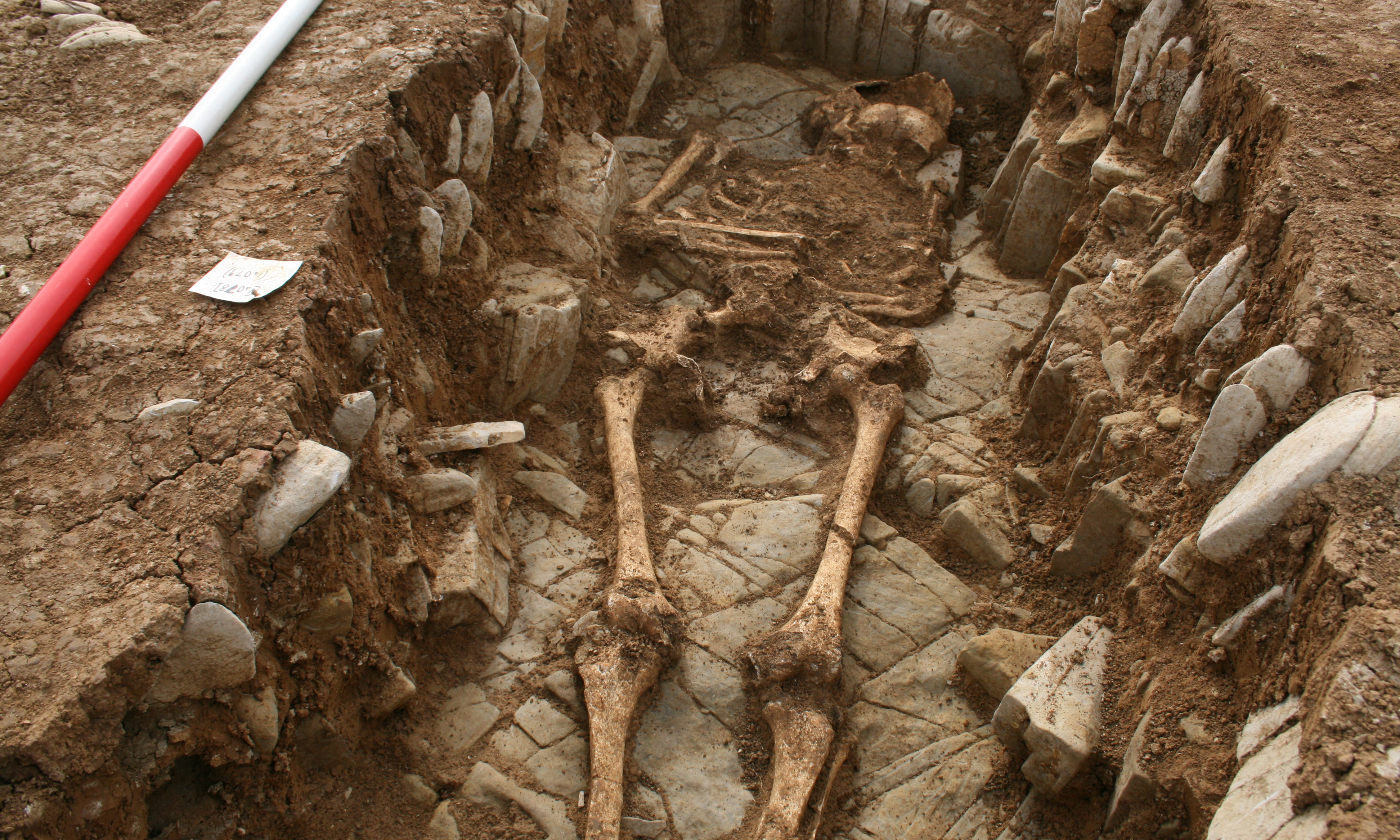
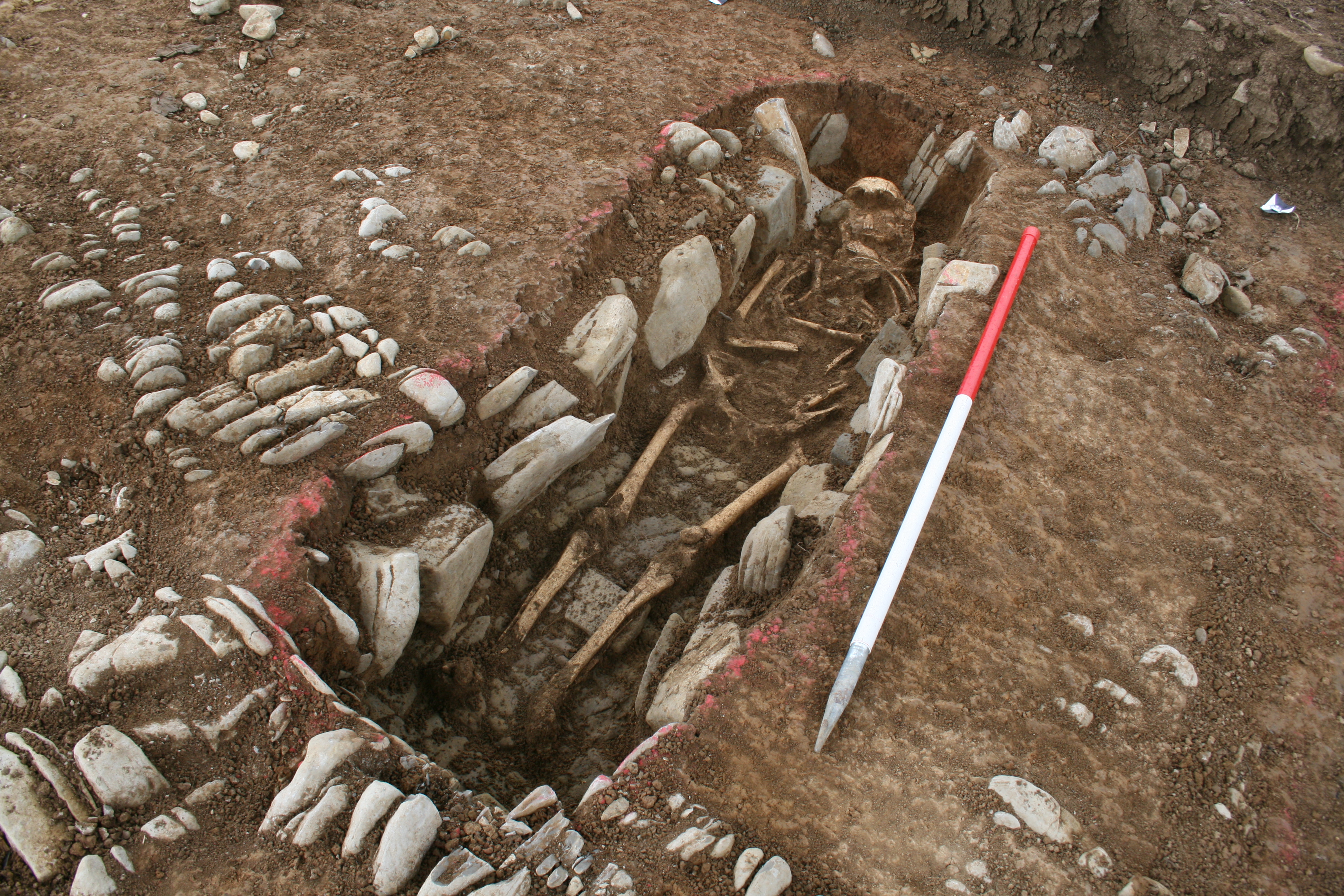
The remains of feasting have been discovered at an early medieval cemetery near Barry, South Wales. The cemetery dates to the sixth and seventh centuries and contains an estimated 80 graves. Fragments of animal bone, some cooked and bearing the marks of butchery, and of expensive glass drinking vessels imported from western France indicate feasting rituals took place by the graves.

A team of archaeologists and students from Cardiff University’s School of History, Archaeology and Religion excavated the site on the grounds of Fonmon Castle this summer after a 2021 geophysical survey revealed the presence of archaeological remains. They expected to find structures associated with a farmstead, but the excavation instead unearthed burials of different types, including stone-lined cists and crouch burials.

Detail of burial in a stone-lined grave. Photo courtesy Cardiff University.

So far, 18 of the burials have been excavated and examined. Four of them are crouch burials, which is a high proportion compared to other cemeteries from the period. All of the crouch burials were placed on their right side facing south and also happen to all be female. The consistency of these practices suggest that certain people were buried in keeping with specific rituals, perhaps related to their position or role in the community.

Dr Andy Seaman, Lecturer in Early Medieval Archaeology, said: “This is a really exciting discovery. Sites of this date are extremely rare in Wales and often do not preserve bone and artefacts. The Fonmon cemetery will allow us to discover so much about the people who lived here around 1,400 years ago.

“Other similar sites have found bodies in crouched positions such as this, but considering the number of graves we have looked at so far, there seem to be a high proportion. This could be evidence of some sort of burial rite being carried out.”

He added: “There is nothing to suggest that people were living near the site, so the evidence of cooking and glasses certainly suggests some level of ritual feasting, perhaps to celebrate or mourn the dead.”

Fonmon Castle was constructed in the late 12th century, so the cemetery long pre-dates it and was probably unknown to the St John family who built the castle. The excavations are ongoing and are planned to continue over the next several summers.


* This article was originally published here
Winter Self-Care: 7 Must-Haves To Stay Healthy And Happy In Biting Cold Weather

Feeling the winter blues? Welcome biting winter with a hydrating moisturizer, cozy herbal teas, and immune-boosting supplements. Elevate your well-being and conquer the chilly days with these essentials!

from Zee News :Zee News - Health https://ift.tt/BCLbPFz

Treasury Officer | Raibal Holding

The Role Responsibilities: • Monitor and manage daily cash balances to ensure sufficient liquidity. • Develop and implement strategies for optimizing cash resources. • Forecast cash flows and prepare cash flow reports to support decision-making. • Identify and assess financial risks, including interest rate r...

source http://www.gulftalent.com/uae/jobs/treasury-officer-401795?utm_source=feed_subscriber&utm_medium=referral&utm_campaign=rss_feed

Golden Globes 2024: How to watch and who is nominated

Barbie star Margot Robbie is among the nominees at the ceremony, which takes place in Los Angeles.

from BBC News - Entertainment & Arts https://ift.tt/JV1tZBK

Golden Globes 2024: How to watch and who is nominated

Barbie star Margot Robbie is among the nominees at the ceremony, which takes place in Los Angeles.

from BBC News - Entertainment & Arts https://ift.tt/Ut1VAev

Saturday, 6 January 2024

Met acquires rare Romanesque Walrus ivory carving; UK bars export

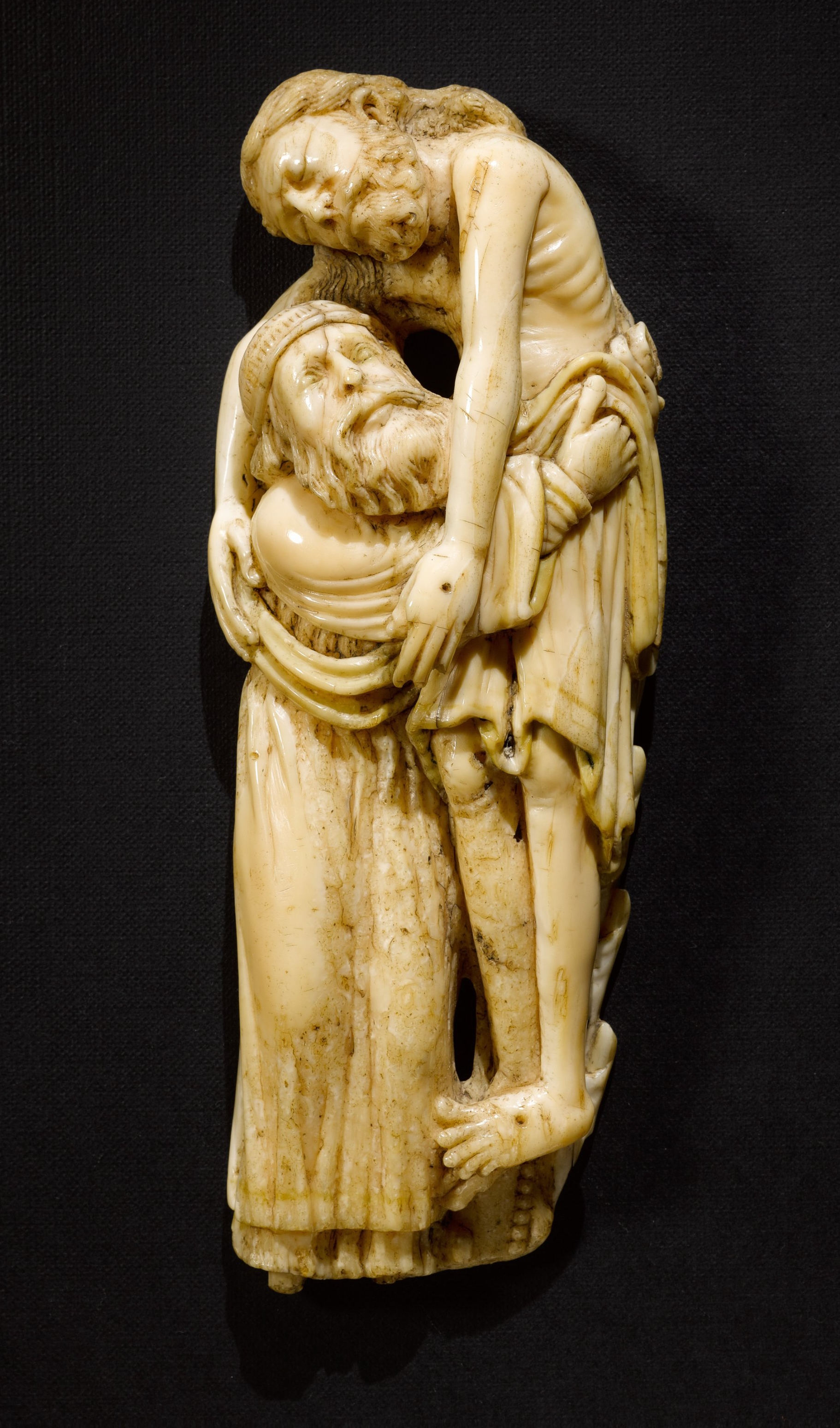
The UK’s Arts Minister has placed a temporary export bar on a rare 12th century walrus ivory carving of the Deposition from the Cross to give local institutions the opportunity to raise the £2,006,595 (plus VAT of £40,131.90) necessary to acquire it for the nation. It was bought by the Metropolitan Museum of Art in a private sale arranged by Sotheby’s. A domestic buyer will have to either secure the full cost or show that they have a strong chance of reaching the goal by February 2nd. The deadline can then be extended until June if a serious effort to raise the funds is made. The likeliest UK buyer is the V&A which had the Deposition on long-term loan for four decades before the sale. The museum has not commented on whether it will make an attempt to acquire it.

The Romanesque ivory carving depicts Joseph of Arimathea taking the body of Christ down from the cross. The quality of the detail work is exceptionally high.

[Reviewing Committee on the Export of Works of Art and Objects of Cultural Interest]
Member Tim Pestell said:

This mediaeval ivory depiction of the Deposition of Christ is a truly remarkable object, both for its early date and its sublimely skilful carving. Delicately observed and showing dignified restraint in its depiction of the dead Christ, it represents one of the finest surviving examples of English Romanesque ivory carving. This rarity means we have much to learn from it, ranging from examining its artistic design and the workshop that produced it, to scientific investigation of the walrus ivory it is made of that might tell us about mediaeval exploitation of the environment, and trade and exchange networks.

There was a brisk trade in walrus ivory in the Middle Ages. Its flesh-like luster, ease of carving and durability made it highly prized as luxury ornamentation, especially of religious objects, and it was readily available from Viking walrus hunters in Scandinavia and Greenland when elephant ivory was scarce. Inspired by Early Medieval Byzantine ivories, northern European carvers created plaques, low relief inlays, book covers, bishops’ croziers followed by increasingly elaborate and three-dimensional tabernacles and altarpieces.

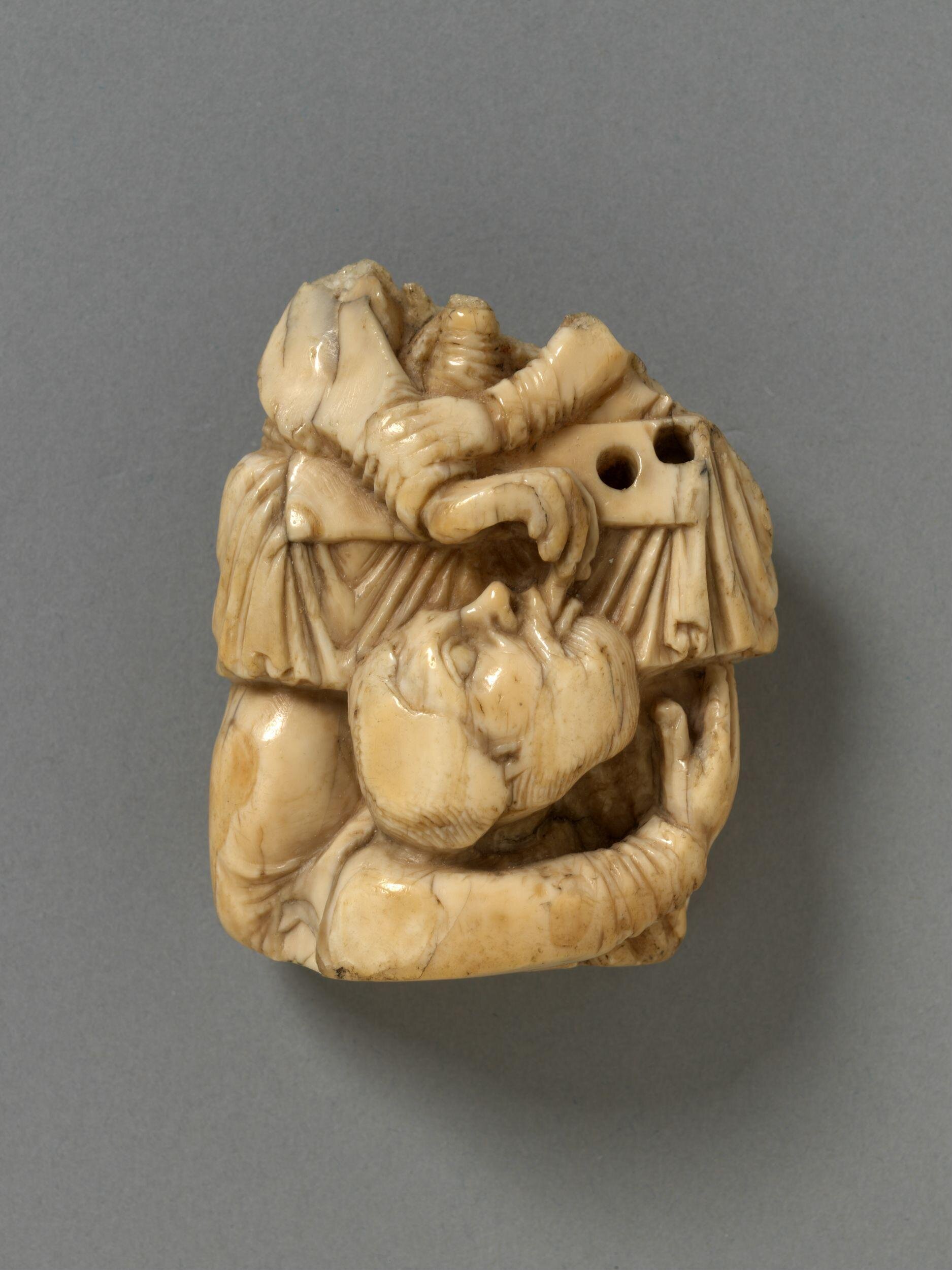
The Deposition is believed to have been part of a much larger altarpiece with scenes from the Passion of the Christ. Today the only fragments from the ensemble believed to survive are the section depicting the Deposition of Christ and a smaller fragment of Judas eating the wine-imbued bread that Jesus passes him at the Last Supper marking him as the betrayer.

The Judas fragment, which is about half the size of the Deposition and only shows Judas’ head in profile, the hand of Christ and draped garments, was donated to the V&A in 1949. It was because of the Judas fragment that Gertrude Hunt, owner of the Deposition, loaned it to the V&A in 1982. The two were on display together in the museum’s medieval gallery until the owner reclaimed it in 2022 in order to sell it.


* This article was originally published here
Nigel Lythgoe steps down as So You Think You Can Dance judge

The TV executive is being sued by women including Paula Abdul who allege sexual assault.

from BBC News - Entertainment & Arts https://ift.tt/B3ubwnd