Long Live the Ancien Régime!
Ella Muir
Mon, 07/31/2023 - 10:34
* This article was originally published here

Monday, 31 July 2023

Senior Land Surveyor | KEO International Consultants
The Role
Overview KEO is a creative enterprise, where innovation is a way of life. We are uniquely resourced with end-to-end services to take clients from inspiration - through conceptualization - to realization of planning, design or project delivery in the built and natural environments. For over 57 years we've led...
Pakistan Bomb Blast: ಭಾರೀ ಬಾಂಬ್ ಸ್ಪೋಟಕ್ಕೆ ತತ್ತರಿಸಿದ ಪಾಕಿಸ್ತಾನ: ಭಯಾನಕ ದೃಶ್ಯ ವೈರಲ್!
ಭಯೋತ್ಪಾದನೆಯನ್ನು ಪೋಷಿಸುತ್ತಿರುವ ಪಾಕಿಸ್ತಾನವೇ ಇಂದು ಬಲಿಪಶುವಾಗಿದೆ. ಪಾಕಿಸ್ತಾನದ ಖೈಬರ್ ಪಖ್ತುಂಖ್ವಾದಲ್ಲಿ ಇಸ್ಲಾಮಿಕ್ ಪಾರ್ಟಿಯ ರ್ಯಾಲಿಯಲ್ಲಿ ಕಳೆದ ದಿನ ಬಾಂಬ್ ಸ್ಫೋಟ ಸಂಭವಿಸಿದೆ. ಇದರಲ್ಲಿ ಇದುವರೆಗೆ 40ಕ್ಕೂ ಹೆಚ್ಚು ಜನರು ಸಾವನ್ನಪ್ಪಿದ್ದಾರೆ. ಸ್ಫೋಟದಲ್ಲಿ 200 ಕ್ಕೂ ಹೆಚ್ಚು ಜನರು ಗಾಯಗೊಂಡಿದ್ದಾರೆ ಎಂದು ಹೇಳಲಾಗಿದೆ. ಈ ಸ್ಫೋಟಗಳ ಭಯಾನಕ ಚಿತ್ರಗಳು ಸಾಮಾಜಿಕ ಮಾಧ್ಯಮದಲ್ಲಿ ಮುನ್ನೆಲೆಗೆ ಬಂದಿವೆ. ಖೈಬರ್ ಪಖ್ತುಂಖ್ವಾದ ಬಜೌರ್
ಲೋಕಸಭೆ ಚುನಾವಣೆಯಲ್ಲಿ ಮೋದಿ ಸೋತು ವಿದೇಶದಲ್ಲಿ ನೆಲೆಸುವರು- ಲಾಲು ಪ್ರಸಾದ್
ಪಾಟ್ನಾ ಜುಲೈ 31: ಮುಂದಿನ ವರ್ಷ ನಡೆಯಲಿರುವ ಲೋಕಸಭೆ ಚುನಾವಣೆಯಲ್ಲಿ ಸೋಲುವ ಮತ್ತು ವಿದೇಶದಲ್ಲಿ ಆಶ್ರಯ ಪಡೆಯುವ ಬಗ್ಗೆ ಪ್ರಧಾನಿ ನರೇಂದ್ರ ಮೋದಿ ಚಿಂತಿತರಾಗಿದ್ದಾರೆ ಎಂದು ರಾಷ್ಟ್ರೀಯ ಜನತಾ ದಳದ ಅಧ್ಯಕ್ಷ ಲಾಲು ಪ್ರಸಾದ್ ಭಾನುವಾರ ಹೇಳಿದ್ದಾರೆ. ಕೆಲವು ದಿನಗಳ ಹಿಂದೆ ಮೋದಿಯವರ "ಕ್ವಿಟ್ ಇಂಡಿಯಾ" ಜಿಬಿಯ ಕುರಿತು ಅವರ ಕಾಮೆಂಟ್ಗಳನ್ನು ಕೇಳಿದಾಗ ಪ್ರಸಾದ್ ಅವರು ಈ
Madonna feels 'lucky to be alive' after health scare
The 64-year-old spent several days in intensive care while receiving treatment for an infection.
from BBC News - Entertainment & Arts https://ift.tt/Kkx3G2V
from BBC News - Entertainment & Arts https://ift.tt/Kkx3G2V
ಬಾಂಬೆ ಐಐಟಿ ಕ್ಯಾಂಟೀನ್ನಲ್ಲಿ ಕಿಡಿ ಹಚ್ಚಿದ 'ಸಸ್ಯಾಹಾರಿಗಳು ಮಾತ್ರ' ಪೋಸ್ಟರ್!
ಮುಂಬೈ ಜುಲೈ 31: ಇಂಡಿಯನ್ ಇನ್ಸ್ಟಿಟ್ಯೂಟ್ ಆಫ್ ಟೆಕ್ನಾಲಜಿ-ಬಾಂಬೆ (ಐಐಟಿ-ಬಿ) ನಲ್ಲಿ ಆಹಾರ ತಾರತಮ್ಯದ ವಿರುದ್ಧ ವಿದ್ಯಾರ್ಥಿಗಳು ಮತ್ತೆ ಧ್ವನಿ ಎತ್ತಿದ್ದಾರೆ. ಹಾಸ್ಟೆಲ್ ಒಂದರಲ್ಲಿನ ಕ್ಯಾಂಟೀನ್ನ ಗೋಡೆಗಳ ಮೇಲೆ 'ಸಸ್ಯಾಹಾರಿಗಳಿಗೆ ಮಾತ್ರ' ಎಂಬ ಪೋಸ್ಟರ್ಗಳನ್ನು ಹಾಕಲಾಗಿದೆ ಎಂದು ವಿದ್ಯಾರ್ಥಿ ಪ್ರತಿನಿಧಿಯೊಬ್ಬರು ಭಾನುವಾರ ಹೇಳಿದ್ದಾರೆ. ಐಐಟಿ ಬಾಂಬೆ ಕಾಂಟೀನ್ನಲ್ಲಿ ಈ ರೀತಿ ಪೋಸ್ಟರ್ ಹಾಕಿರುವುದು ಇದೇ ಮೊದಲಲ್ಲ. ಕಳೆದ
Madonna feels 'lucky to be alive' after health scare
The 64-year-old spent several days in intensive care while receiving treatment for an infection.
from BBC News - Entertainment & Arts https://ift.tt/vdJckEn
from BBC News - Entertainment & Arts https://ift.tt/vdJckEn
Sunday, 30 July 2023
Nero’s theater discovered in Rome


Nero added a theater next to the circus so he could have a dedicated space to perform his dubious poetry and songs before his adoring public. Or not so adoring, if Suetonius is anything to go by:
While [Nero] was singing no one was allowed to leave the theatre even for the most urgent reasons. And so it is said that some women gave birth to children there, while many who were worn out with listening and applauding, secretly leaped from the wall, since the gates at the entrance were closed, or feigned death and were carried out as if for burial.
Only this reference and a couple of others by Pliny the Elder and Tacitus mention Nero’s theater, and they are vague as to location. Over the centuries the theater had taken on a semi-legendary quality, especially since the ancient sources focus heavily on Nero’s excesses, even to the point of exaggeration.

The Equestrian Order of the Holy Sepulchre of Jerusalem was given the palace as their new headquarters by Pope Pius XII in 1940. The order has recently leased the palazzo to the Four Seasons Hotel and Resorts group and the building and grounds are undergoing renovations with a planned grand opening in 2025, a Jubilee year. Obviously the site is archaeologically important, so excavations were a requirement in advance of construction.

Among the discoveries are 10th century AD glass coloured goblets and pottery pieces that are unusual because so little is known about this period in Rome. […]
Marzia Di Mento, the site’s chief archaeologist, noted that previously only seven glass chalices of the era had been found, and that the excavations of this one site turned up seven more.

* This article was originally published here
ISRO Launch: ಭಾರತದ ಮೂಲಕ ಬಾಹ್ಯಾಕಾಶಕ್ಕೆ ಸಿಂಗಾಪುರ ಉಪಗ್ರಹಗಳು!
ಶ್ರೀಹರಿಕೋಟಾ: ಎಲ್ಲಾ ಅಂದುಕೊಂಡಂತೆ ನಡೆದಿದೆ, ಶುಭ ಭಾನುವಾರ ಭಾರತೀಯರಿಗೆ ಮತ್ತೊಂದು ಸಿಹಿಸುದ್ದಿ ಕೊಟ್ಟಿದೆ ಇಸ್ರೋ. 7 ವಿದೇಶಿ ಉಪಗ್ರಹ ಹೊತ್ತಿದ್ದ ಭಾರತೀಯರ ಹೆಮ್ಮೆಯ ಬಾಹ್ಯಾಕಾಶ ಸಂಸ್ಥೆ ಇಸ್ರೋ ರಾಕೆಟ್ ಯಶಸ್ವಿಯಾಗಿ ಲಾಂಚ್ ಆಗಿದೆ. ಇದಕ್ಕಾಗಿ ಪಿಎಸ್ಎಲ್ವಿ-ಸಿ56 ರಾಕೆಟ್ ಬಳಸಿದ್ದ ಇಸ್ರೋ ತನ್ನ ಈ ಕಾರ್ಯದಲ್ಲಿ ಭರ್ಜರಿ ಸಕ್ಸಸ್ ಕಂಡಿದೆ. ‘ಚಂದ್ರಯಾನ-3' ಯಶಸ್ಸು ಭಾರತಕ್ಕೆ ಮತ್ತು ಇಸ್ರೋ ಸಂಸ್ಥೆಗೆ
ಮಣಿಪುರ: ಕುಕಿಗಳ ವಿರುದ್ಧ ಇಂಫಾಲ್ ಕಣಿವೆಯ ಬೀದಿಗಳಲ್ಲಿ ಮೈತೇಯಿ ಶಕ್ತಿ ಪ್ರದರ್ಶನ!
ಇಂಫಾಲ್, ಜುಲೈ. 30: ಮಣಿಪುರದ ರಾಜಧಾನಿ ಇಂಫಾಲ್ನಲ್ಲಿ ಶನಿವಾರ ಸಾವಿರಾರು ಮೈತೇಯಿ ಸಮುದಾಯದ ಜನರು ಬೀದಿಗಿಳಿದು "ಚಿನ್ ಕುಕಿ ನಾರ್ಕೋ ಭಯೋತ್ಪಾದಕರ" ವಿರುದ್ಧ ತಮ್ಮ ಭಾರಿ ವಿರೋಧ ವ್ಯಕ್ತಪಡಿಸಿದ್ದಾರೆ. ಮೈತೇಯಿಸ್ ಮತ್ತು ಕುಕಿಸ್ ನಡುವಿನ ಸುಮಾರು ಮೂರು ತಿಂಗಳಿಂದ ರಾಜ್ಯದಲ್ಲಿ ಹಿಂಸಾತ್ಮಕ ಜನಾಂಗೀಯ ಸಂಘರ್ಷ ನಡೆಯುತ್ತಿದೆ. ಇದರಲ್ಲಿ ಈವರೆಗೆ ಸುಮಾರು 150 ಜನರು ತಮ್ಮ ಪ್ರಾಣ ಕಳೆದುಕೊಂಡಿದ್ದಾರೆ.
Eye Flu And Hepatitis A, E Cases On Rise In Delhi-NCR Following Unusual Rains
Unusual rains in the National Capital Region have led to a rise in diseases like Hepatitis A and E and eye flu. Doctor shares facts.
from Zee News :Zee News - Health https://ift.tt/jcsZ35g
from Zee News :Zee News - Health https://ift.tt/jcsZ35g
ಬಿಜೆಪಿ ಕೇಂದ್ರ ಪದಾಧಿಕಾರಿಗಳ ತಂಡ, ಯುಪಿ ಮುಸ್ಲಿಮರ ಓಲೈಕೆ!
ನವದೆಹಲಿ, ಜುಲೈ 30; ಮುಂಬರುವ ಲೋಕಸಭೆ ಚುನಾವಣೆ ಮತ್ತು 5 ರಾಜ್ಯಗಳ ವಿಧಾನಸಭೆ ಚುನಾವಣೆ ಹಿನ್ನಲೆಯಲ್ಲಿ ಬಿಜೆಪಿ ಪಕ್ಷ ಸಂಘಟನೆಯಲ್ಲಿ ಭಾರೀ ಬದಲಾವಣೆ ಮಾಡಿದೆ. ಪಕ್ಷದ ಕೇಂದ್ರ ಪದಾಧಿಕಾರಿಗಳ ತಂಡವನ್ನು ಬಿಜೆಪಿ ರಾಷ್ಟ್ರೀಯ ಅಧ್ಯಕ್ಷ ಜೆ. ಪಿ. ನಡ್ಡಾ ಶನಿವಾರ ಪುನರ್ ರಚನೆ ಮಾಡಿದ್ದಾರೆ. ಪಕ್ಷದ ಈ ನಡೆ ಉತ್ತರ ಪ್ರದೇಶದ ರಾಜಕೀಯದ ಮೇಲೆ ಹೇಗೆ ಪ್ರಭಾವ
Twitter restores Kanye West's account after ban
The US rapper was accused of violating the rules on the social media platform now known as X.
from BBC News - Entertainment & Arts https://ift.tt/iaOJpxc
from BBC News - Entertainment & Arts https://ift.tt/iaOJpxc
ಕುರಾನ್ ಹೇಳಿರುವಂತೆ ಪತ್ನಿ ನೋಡಿಕೊಳ್ಳುವುದು ಪತಿ ಕರ್ತವ್ಯ
ಬೆಂಗಳೂರು, ಜುಲೈ 30 : ಪವಿತ್ರ ಕುರಾನ್ನ ಪ್ರಕಾರ ಪತ್ನಿ, ಮಕ್ಕಳನ್ನು ನೋಡಿಕೊಳ್ಳುವುದು ಪತಿಯ ಜವಾಬ್ದಾರಿ ಎಂದು ಕರ್ನಾಟಕ ಹೈಕೋರ್ಟ್ ಆದೇಶಿಸಿದೆ. ಅಲ್ಲದೆ, ಪತ್ನಿ ಹಾಗೂ ಇಬ್ಬರು ಮಕ್ಕಳಿಗೆ ಮಾಸಿಕ 25 ಸಾವಿರ ರೂ. ಜೀವನಾಂಶ ಪಾವತಿಸುವಂತೆ ಕೌಟುಂಬಿಕ ನ್ಯಾಯಾಲಯ ನೀಡಿದ್ದ ಆದೇಶ ಪ್ರಶ್ನಿಸಿ ಪತಿ ಸಲ್ಲಿಸಿದ್ದ ಅರ್ಜಿ ವಜಾಗೊಳಿಸಿದೆ. ಇದರಿಂದಾಗಿ ಆ ಪತಿರಾಯ ಜೀವನಾಂಶ ನೀಡಲೇಬೇಕಾಗಿದೆ.
Twitter restores Kanye West's account after ban
The US rapper was accused of violating the rules on the social media platform now known as X.
from BBC News - Entertainment & Arts https://ift.tt/bXL1vcV
from BBC News - Entertainment & Arts https://ift.tt/bXL1vcV
Saturday, 29 July 2023
Steelyard beam found at fortlet on Hadrian’s Wall
Just four weeks into the excavation of Milecastle 46 on Hadrian’s Wall in Northumberland, archaeologists have already made an exceptional find: a small equal arm steelyard beam from an ancient Roman scale.

Milecastles were small forts built every Roman mile or so along defensive frontier walls. There were 80 of them along Hadrian’s Wall between the 16 major forts. Milecastle 46 was just north of the Magna fort, near what is today Carvoran, Northumberland. The Vindolanda Charitable Trust’s Roman Army Museum is located at the fort site and the Trust is in charge of the maintenance and exploration of its remains.
The impact of climate change has been altering the vegetation of the marshy land, drying out the peaty, anaerobic soil that is the reason the nearby Vindolanda fort and civilian settlement site has such exceptional preserved organic remains including thousands of leather shoes, one leather mouse, the first surviving Roman wooden toilet seat and the iconic wood writing tablets that form a unique collection of ancient correspondence unmatched in the Roman archaeological record. Magna has not been excavated systematically like Vindolanda has not been, but geophysical surveys indicate it is just as rich a source of archaeological material, and all that untapped wealth is under direct threat.

The steelyard beam was found along the outer wall of the foundation on the third week of the excavation. A few centimeters of it were poking up, exposed by a night of heavy rain that had washed away the topsoil. Archaeologists didn’t know what it was at first, but once the fulcrum was exposed, its secret identity was revealed.
The 22cm [(8.7 inch)] copper alloy steelyard beam had a decorative integral central fulcrum hole to accommodate a suspension chain. One end of the beam was finished with a typical triple bevel design and delicate suspension hole from which a weighing pan would once have been hung via fine chains. The other would end would have been used to hang small weights from another chain. A feature of this steelyard is that from the fulcrum to one end of the beam are eleven evenly spaced, tiny circular silver inset points set 10mm apart, used as markers for moving the measuring weights along the arm.
A portable steelyard of this size and calibre could have been used by a proficient Roman tax official, trader or merchant for weighing small, high value items passing through the milecastle at Magna. Trading posts like this would have worked both ways, taxing goods entering and leaving the borders of the Empire. The Roman army and Emperor taking their own cut from this potentially lucrative trade.
Although not every milecastle was suitable for this purpose, number 46 at Magna, linked into a junction point of three major Roman roads, the Stanegate, the Maiden Way and the Military Road, was an ideal location for both tax and control and had clear and easy access to the north of the Wall. In the later Roman period, the flow of cut silver and glass artefacts flowed north out of the empire to buy the obedience of northern tribes. A practice which may have eventually played its part in encouraging more raiding into the province from beyond the frontier.

* This article was originally published here
Around 5 Minutes Of Vigorous Activity Daily May Reduce Risk Of Cancer: Study
Carrying heavy shopping around the grocery store, bursts of power walking or playing high-energy games with the kids can have tremendous benefits for health.
from Zee News :Zee News - Health https://ift.tt/fKYiHUT
from Zee News :Zee News - Health https://ift.tt/fKYiHUT
Karnataka Dams Water Level: ಜುಲೈ 29ರ ಪ್ರಮುಖ ಜಲಾಶಯಗಳ ನೀರಿನ ಮಟ್ಟ, KRS ಭರ್ತಿಗೆ 13 ಅಡಿಯಷ್ಟೇ ಬಾಕಿ.!
ಕರ್ನಾಟಕ, ಜುಲೈ, 29: ಜುಲೈ ತಿಂಗಳ ಮಧ್ಯದಲ್ಲಿ ಭಾರೀ ಮಳೆ ಹಿನ್ನೆಲೆ ರಾಜ್ಯದ ಬಹುತೇಕ ಜಲಾಶಯಗಳ ನೀರಿನ ಮಟ್ಟ ಏರಿಕೆಯಾಗುತ್ತಲೇ ಇತ್ತು. ಆದರೆ ಇದೀಗ ಮಳೆ ಪ್ರಮಾಣ ತಗ್ಗಿದ್ದು, ಹಲವು ಜಲಾಶಯಗಳ ಒಳಹರಿವಿನ ಪ್ರಮಾಣ ಕಡಿಮೆಯಾಗಿದೆ. ಮತ್ತೊಂದೆಡೆ ಕೆಆರ್ಎಸ್, ತುಂಗಭದ್ರಾ, ಭದ್ರಾ ಜಲಾಶಯಗಳಲ್ಲಿ ನೀರಿನ ಮಟ್ಟ ಗಣನೀಯವಾಗಿ ಏರಿಕೆಯಾಗುತ್ತಲೇ ಇದೆ. ಹಾಗಾದರೆ ಇಂದು ಪ್ರಮುಖ ಜಲಾಶಯಗಳ ನೀರಿನ
12710 ಗುತ್ತಿಗೆ ಶಿಕ್ಷಕರ ಉದ್ಯೋಗವನ್ನು ಖಾಯಂಗೊಳಿಸಿದ ಪಂಜಾಬ್ ಸರ್ಕಾರ!
ದೆಹಲಿ, ಜುಲೈ 29: ಪಂಜಾಬ್ ಮುಖ್ಯಮಂತ್ರಿ ಭಗವಂತ್ ಮಾನ್ ಶುಕ್ರವಾರ 12,710 ಗುತ್ತಿಗೆ ಶಿಕ್ಷಕರನ್ನು ಕಾಯಂಗೊಳಿಸಿ, ರಾಜ್ಯ ಶಿಕ್ಷಣ ಇಲಾಖೆಯ ಶಿಕ್ಷಕರಿಗೆ ಹುದ್ದೆಯನ್ನು ಖಾಯಂಗೊಳಿಸುವ ಪತ್ರಗಳನ್ನು ಹಸ್ತಾಂತರಿಸಿದ್ದಾರೆ. ಸ್ಥಳೀಯ ಟ್ಯಾಗೋರ್ ರಂಗಮಂದಿರದಲ್ಲಿ ನಡೆದ ಕಾರ್ಯಕ್ರಮದಲ್ಲಿ ಭಗವಂತ್ ಮಾನ್ ಅವರು ಇದು ‘ಐತಿಹಾಸಿಕ ದಿನ' ಎಂದು ಕರೆದಿದ್ದಾರೆ. ಅಧಿಕಾರ ವಹಿಸಿಕೊಂಡ ವೇಳೆ, ಎಲ್ಲಾ ಕಾನೂನು ಮತ್ತು ಆಡಳಿತಾತ್ಮಕ ತೊಡಕುಗಳನ್ನು
Bengaluru: ಮೊಹರಂ ಹಬ್ಬದ ಮೆರವಣಿಗೆ ಕಾರಣ ಬೆಂಗಳೂರಿನ ಹಲವೆಡೆ ಸಂಚಾರ ಬದಲಾವಣೆ! ಹೀಗಿದೆ ಪರ್ಯಾಯ ಮಾರ್ಗ
ಬೆಂಗಳೂರು, ಜುಲೈ 29: ಶನಿವಾರ ಮೊಹರಂ ಹಬ್ಬ ಮೆರವಣಿಗೆ ಹಿನ್ನಲೆ ಬೆಂಗಳೂರು ನಗರದಲ್ಲಿ ಮಧ್ಯಾಹ್ನ 1ರಿಂದ ಸಂಜೆ 4.30ರವರೆಗೆ ಸಂಚಾರ ಮಾರ್ಗ ಬದಲಾವಣೆ ಮಾಡಲಾಗಿದೆ. ಇಂದು ಸಂಚಾರ ವ್ಯವಸ್ಥೆಯಲ್ಲಿ ವ್ಯತ್ಯಾಸವಾಗಲಿದ್ದು, ಪರ್ಯಾಯ ಮಾರ್ಗಗಳಲ್ಲಿ ಸಂಚರಿಸುವಂತೆ ವಾಹನ ಸವಾರರಿಗೆ ಬೆಂಗಳೂರು ಸಂಚಾರಿ ಪೊಲೀಸರು ಮನವಿ ಮಾಡಿದ್ದಾರೆ. ಈ ಕುರಿತು ಬೆಂಗಳೂರು ಸಂಚಾರಿ ಪೊಲೀಸರು ಟ್ವೀಟ್ ಮೂಲಕ ಮಾಹಿತಿ
Georgia seeks al fresco ecstasy on her new album, Euphoric
After the Mercury-nominated Seeking Thrills, Georgia explains how nature inspired her new music.
from BBC News - Entertainment & Arts https://ift.tt/u9G2YJT
from BBC News - Entertainment & Arts https://ift.tt/u9G2YJT
Georgia seeks al fresco ecstasy on her new album, Euphoric
After the Mercury-nominated Seeking Thrills, Georgia explains how nature inspired her new music.
from BBC News - Entertainment & Arts https://ift.tt/gbAXvtm
from BBC News - Entertainment & Arts https://ift.tt/gbAXvtm
Russia & Ukraine War: ಉಕ್ರೇನ್ ಡ್ರೋನ್ ಉಡೀಸ್ ಮಾಡಿದ ರಷ್ಯಾ?
ಮಾಸ್ಕೋ: ರಷ್ಯಾ ತನ್ನ ದಾಳಿ ಭೀಕರಗೊಳಿಸಿದ ನಂತರ ಉಕ್ರೇನ್ ಕೂಡ ಅತ್ಯಾಧುನಿಕ ಅಸ್ತ್ರಗಳ ಬಳಕೆಗೆ ಮುಂದಾಗಿದೆ. ಇದೀಗ ರಷ್ಯಾ ರಾಜಧಾನಿ ಮಾಸ್ಕೊ ಹೊರವಲಯದಲ್ಲಿ ಉಕ್ರೇನ್ ಡ್ರೋನ್ ಮೂಲಕ ದಾಳಿ ನಡೆಸಲು ಮುಂದಾಗಿದ್ದು, ಆ ಡ್ರೋನ್ನ ಹೊಡೆದು ಉರುಳಿಸಿದ್ದೇವೆ ಎಂದಿದೆ ರಷ್ಯಾ ರಕ್ಷಣಾ ಸಚಿವಾಲಯ. ಹೌದು ಜುಲೈ ತಿಂಗಳಲ್ಲಿ ಮಾಸ್ಕೋ ಮೇಲೆ ನಡೆದ ಬರೋಬ್ಬರಿ 3ನೇ ಡೋನ್ ದಾಳಿ
Congress CLP Meeting: ಬಸವರಾಜ ರಾಯರೆಡ್ಡಿಯನ್ನ ತರಾಟೆಗೆ ತೆಗೆದುಕೊಂಡ ಸಿಎಂ ಸಿದ್ದರಾಮಯ್ಯ
ಬೆಂಗಳೂರು, ಜುಲೈ 28: ರಾಜ್ಯದಲ್ಲಿ ಕಾಂಗ್ರೆಸ್ ಸರ್ಕಾರ ಬಂದು ಎರಡು ತಿಂಗಳು ಕಳೆದಿದೆಯಷ್ಟೇ, ಹಲವು ಆಂತರಿಕ ಅಸಮಾಧಾನಗಳು ಬುಗಿಲೆದ್ದಿವೆ. ಈ ಹಿನ್ನೆಲೆ ಶಾಸಕರ ಅಸಮಾಧಾನ ತಣಿಸಲು, ಅವರ ಅಹವಾಲನ್ನು ಆಲಿಸುವ ಸಲುವಾಗಿ ಗುರುವಾರ ರಾತ್ರಿ ಕಾಂಗ್ರೆಸ್ ಶಾಸಕಾಂಗ ಸಭೆ ನಡೆಯುತ್ತಿದೆ. ಈ ವೇಳೆ ಸಿದ್ದರಾಮಯ್ಯ ಶಾಸಕ ಬಸವರಾಜ ರಾಯರೆಡ್ಡಿ ಅವರ ತರಾಟೆಗೆ ತೆಗೆದುಕೊಂಡಿದ್ದಾರೆ ಎಂದು ತಿಳಿದು ಬಂದಿದೆ.
Friday, 28 July 2023
Medusa mosaic emerges at Mérida

The mosaic was discovered at the Huerta de Otero site on the western side of the city. The site was first excavated in 1976, revealing remains of an opulent Roman domus, but it was on private property and neglected for decades. The city of Mérida acquired the Huerta de Otero site in 2019 and for the past four years it has been excavated by students from the Barraeca II Professional School.


The head of Medusa in the middle of an illusionistic “spinning shield” was a common motif on Roman mosaic floors, an abstract reference to the aegis of Athena, the cloak or shield featuring the head of the Gorgon. The polychrome mosaic style suggests it was created in the 2nd century A.D.

* This article was originally published here
Shivamogga Airport: ಕಾರ್ಯಾಚರಣೆಗೆ ಆ.31 ದಿನ ಫಿಕ್ಸ್: ಎಲ್ಲೆಲ್ಲಿಗೆ ವಿಮಾನ ಹಾರಾಟ? ವಿವರ ನೋಡಿ
ಬೆಂಗಳೂರು, ಜುಲೈ 28: ವಿವಿಧ ಕಾರಣಗಳಿಂದ ತಡವಾಗಿದ್ದ ಶಿವಮೊಗ್ಗ ವಿಮಾನ ನಿಲ್ದಾಣದ ಕಾರ್ಯಾಚರಣೆಗೆ ದಿನಾಂಕ ಫಿಕ್ಸ್ ಆಗಿದೆ. ಆಗಸ್ಟ್ 31ರಿಂದ ಏರ್ಫೋರ್ಟ್ ತನ್ನ ಕಾರ್ಯಾಚರಣೆ ಆರಂಭಿಸಲಿದ್ದು, ಅಂದು ಮೊದಲ ವಿಮಾನದಲ್ಲಿ ಪ್ರಯಾಣಿಸುವ ಭಾಗ್ಯ ಮಲೆನಾಡಿನ ಜನರಿಗೆ ಸಿಗಲಿದೆ ಎಂದು ಕೈಗಾರಿಕೆ ಸಚಿವ ಎಂ.ಬಿ.ಪಾಟೀಲ್ ಹೇಳಿದರು. ಈ ಮುಂಚೆ ಆಗಸ್ಟ್ 11ರಿಂದ ಆರಂಭವಾಗಬೇಕಿತ್ತು. ತಾಂತ್ರಿಕ ಕಾರಣಗಳಿಂದ 31ಕ್ಕೆ ಮುಂದೂಡಲಾಗಿದೆ.
ಕರ್ನಾಟಕ ಮಳೆ: ಜೂನ್ 1 ರಿಂದ ರಾಜ್ಯದಲ್ಲಿ ಮಳೆ ಸಂಬಂಧಿತ ಘಟನೆಗಳಲ್ಲಿ 38 ಮಂದಿ ಸಾವು
ಬೆಂಗಳೂರು, ಜುಲೈ. 27: ಧಾರಾಕಾರ ಮಳೆ ಮತ್ತು ಪ್ರವಾಹದಿಂದಾಗಿ ಇದುವರೆಗೆ 38 ಜನರು ಸಾವನ್ನಪ್ಪಿದ್ದಾರೆ ಎಂದು ಮುಖ್ಯಮಂತ್ರಿ ಸಿದ್ದರಾಮಯ್ಯ ಹೇಳಿದ್ದಾರೆ. ಈಗಲೂ ರಾಜ್ಯದ ಹಲವು ಭಾಗಗಳಲ್ಲಿ ಮಳೆ ಮುಂದುವರಿದಿದ್ದು, ಸಾಮಾನ್ಯ ಜನರ ಜೀವನ ಅಸ್ತವ್ಯಸ್ತವಾಗಿದೆ. ಕೊಡಗು, ಮಡಿಕೇರಿ ಸೇರಿದಂತೆ ಹಲವು ಭಾಗಗಳಲ್ಲಿ ಮಳೆಹಾನಿ ಹೆಚ್ಚಾಗಿದೆ. ರಾಜ್ಯದಲ್ಲಿನ ಮಳೆ ಮತ್ತು ಪ್ರವಾಹ ಪರಿಸ್ಥಿತಿಯನ್ನು ಪರಿಶೀಲಿಸಿದ ಮುಖ್ಯಮಂತ್ರಿ ಸಿದ್ದರಾಮಯ್ಯ, ತಕ್ಷಣದ
Thursday, 27 July 2023
Greek horse and rider from Albania at the Getty Villa


“Although bordering on Greece and sharing the Adriatic coast with Italy, Albania is a country whose ancient heritage is less familiar to American museum audiences,” says Timothy Potts, Maria Hummer-Tuttle and Robert Tuttle Director of the Getty Museum. “Focusing on a single, precious object allows us to offer visitors a glimpse into the close artistic connections within the Mediterranean world, and to highlight the complex process of restoration by the Museum’s antiquities conservators, who carried out the analysis and treatment of this delicate archaeological find in collaboration with colleagues at the Albanian Institute of Archaeology in Tirana.”
The statuette was discovered in 2018 during an excavation of an outpost of the ancient Corinthian colony of Apollonia near the modern-day village of Babunjë, only it wasn’t found in the planned dig. Archaeologists from the international team were watching a local farmer plow his onion field when they spotted something in the churned soil. They stopped the plow, preventing the object from meeting a twisted end, and called in their colleagues to explore its archaeological context.


This suggests that the bronze horseman may also be of Corinthian origin. Corinth was an important center of metalworking in Archaic Greece, and the few horse and rider figures in bronze that are known are believed to have been made in Corinth. The discovery of an exceptional example of a bronze horseman in a remote outpost with almost exclusive links to Corinth supports this hypothesis.


For the most secure possible display, the conservation team created a 3D-printed replica of the statuette to design a bespoke mount that fits the object perfectly. The statuette is now being exhibited on that mount in a case with a dry microclimate to prevent any further corrosion of the metal. The horseman will be at the Getty Villa through January 29th, 2024.
* This article was originally published here
Exclusive: Conjunctivitis Cases Surge; Symptoms, Prevention Measures - Expert On All You Need To Know
While conjunctivitis can be caused by allergies or bacterial or viral infections, there is an unprecedented surge in viral conjunctivitis cases in Delhi-NCR this year. Also known as 'pink eyes', conjunctivitis needs to be tackled carefully as it can be very contagious.
from Zee News :Zee News - Health https://ift.tt/PCuvhRz
from Zee News :Zee News - Health https://ift.tt/PCuvhRz
ಇಡೀ ಬಾರತೀಯ ರೈಲ್ವೆ ವ್ಯಾಪ್ತಿಯ ತುರ್ತು ಪರಿಸ್ಥಿತಿ ನಿರ್ವಹಣೆಗೆ 'ಕಂಟ್ರೋಲ್ & ಕಮಾಂಡ್ ಸೆಂಟರ್' ಸ್ಥಾಪನೆ
ನವದೆಹಲಿ, ಜುಲೈ 27: ಭಾರತೀಯ ರೈಲ್ವೆ ವ್ಯಾಪ್ತಿಯಲ್ಲಿ ಏನೇ ತುರ್ತು ಪರಿಸ್ಥಿತಿಗಳು ಎದುರಾದರೂ ಸಹ ನಿರ್ವಹಣೆ ಮಾಡುವಂತಹ 'ಭಾರತೀಯ ರೈಲ್ವೆ ಕೇಂದ್ರ ನಿಯಂತ್ರಣ ಮತ್ತು ಕಮಾಂಡ್ ಸೆಂಟರ್' ಸ್ಥಾಪನೆಗೆ ಶಿಲಾನ್ಯಾಸವು ರಾಷ್ಟ್ರ ರಾಜಧಾನಿ ನವದೆಹಲಿಯಲ್ಲಿ ಬುಧವಾರ ನಡೆಯಿತು. ಈ ಕುರಿತು ಕೇಂದ್ರ ರೈಲ್ವೆ ಸಚಿವಾಲಯ ಪ್ರಕಟಣೆ ಹೊರಡಿಸಿದೆ. ಕಮಾಂಡ್ ಸೆಂಟರ್ ಸ್ಥಾಪನೆಯಾದ ಬಳಿಕ ಅದು ತುರ್ತು ಸಂದರ್ಭಗಳಲ್ಲಿ
How O'Connor recorded Nothing Compares 2 U
The star took an obscure Prince song and made it her own, much to his apparent displeasure.
from BBC News - Entertainment & Arts https://ift.tt/KvPHufW
from BBC News - Entertainment & Arts https://ift.tt/KvPHufW
How O'Connor recorded Nothing Compares 2 U
The star took an obscure Prince song and made it her own, much to his apparent displeasure.
from BBC News - Entertainment & Arts https://ift.tt/PUYsc7H
from BBC News - Entertainment & Arts https://ift.tt/PUYsc7H
Wednesday, 26 July 2023
Massive tapestries hung again after 22-year restoration


The Gideon Tapestries were woven in 1578 for Sir Christopher Hatton whose coat of arms and initials were woven into the original tapestry. They were made at Oudenaarde in Belgium by an unknown weaver whose mark was a six-pointed star. The entire workshop would have been involved in the production of monumental pieces like this. Apprentices would work on the background while master weavers stitched the difficult details like faces. The design was inspired by the 13 Gideon tapestries bought by Cosimo I de’ Medici in Brussels in 1561. Today only three of the Medici series survive, and two of them match two of the Hardwick tapestries.

Hundreds of years of exposure to the sunlight, soot and dust were not kind to the tapestries. In 2001, the National Trust took on the many challenges of a full conservation of these massive tapestries. Even simply taking them down from the wall required tower scaffolding, never mind cleaning and repairing them. The largest of the tapestries, number 11 in the series, required a trolley, a level wooden track and rolling it vertically with turn handles. The Gideon Tapestry project is the largest textile conservation project in the National Trust’s history.


The portraits will eventually return as well, but for the next two years the Gideon Tapestry series is being hung on its own so visitors can see it in all its massive glory.

* This article was originally published here
Body Cells Involved In Immune Responses Cause Fat And Muscle Loss During Infection: Study
Researchers from the Salk Institute for Biological Studies, California, US, found that while the muscle loss helped the mice fight and survive the infection, the fat loss had no impact on the mice's ability to fight or survive the infection.
from Zee News :Zee News - Health https://ift.tt/mB5ej1F
from Zee News :Zee News - Health https://ift.tt/mB5ej1F
Karnataka Rain: ಭಾರೀ ಮಳೆ, ಚಿತ್ರದುರ್ಗ, ಬೆಳಗಾವಿ ಸೇರಿ 6 ಜಿಲ್ಲೆಗಳ ಶಾಲಾ-ಕಾಲೇಜುಗಳಿಗೆ ರಜೆ ಘೋಷಣೆ
ಬೆಂಗಳೂರು, ಜುಲೈ 26: ಕರ್ನಾಟಕದಲ್ಲಿ ಇಂದು ಜುಲೈ 26ರಂದು ಸಹ ವಿವಿಧ ಜಿಲ್ಲೆಗಳಲ್ಲಿ ಅತ್ಯಧಿಕ ಮಳೆ ಆಗಲಿರುವ ಹಿನ್ನೆಲೆಯಲ್ಲಿ ಮುಂಜಾಗೃತಾ ಕ್ರಮವಾಗಿ ಒಟ್ಟು ಸುಮಾರು ಆರು ಜಿಲ್ಲೆಗಳಲ್ಲಿ ಶಾಲಾ-ಕಾಲೇಜುಗಳಿಗೆ ಆಯಾ ಜಿಲ್ಲಾಡಳಿತಗಳು ರಜೆ ಘೋಷಣೆ ಮಾಡಿವೆ. ಒಟ್ಟಾರೆ ಮುಂದಿನ 24 ಗಂಟೆ ಕರ್ನಾಟಕ ಕರಾವಳಿಯ ಮೂರು ಜಿಲ್ಲೆಗಳು ಒಂಗೊಂಡಂತೆ ರಾಜ್ಯಾದ್ಯಂತ ಭಾರೀ ಮಳೆ ಆಗಲಿದೆ (Karnataka rain)
Why fans dress up for Taylor Swift, Beyoncé and Harry Styles
As Taylor Swift's UK Eras tour sells out, fans turn to what they will wear when they see her in concert.
from BBC News - Entertainment & Arts https://ift.tt/wryQzes
from BBC News - Entertainment & Arts https://ift.tt/wryQzes
ಕರ್ನಾಟಕದಲ್ಲಿ ಮುಂದುವರಿದ ವರುಣಬ್ಬರ: ನೆರೆ-ಪ್ರವಾಹ ಸ್ಥಿತಿ ಬಗ್ಗೆ CM ಸಿದ್ದರಾಮಯ್ಯ ಹೇಳಿದ್ದೇನು?
ಬೆಂಗಳೂರು, ಜುಲೈ 26: ಕರ್ನಾಟಕ ರಾಜ್ಯದ ಸುಮಾರು ಅರ್ಧದಷ್ಟು ಜಿಲ್ಲೆಗಳಲ್ಲಿ ವ್ಯಾಪಕ ಮಳೆ ಮುಂದುವರಿದಿದೆ. ಈ ಪೈಕಿ ಉತ್ತರ ಒಳನಾಡು ಮತ್ತು ಕರಾವಳಿ ಜಿಲ್ಲೆಗಳಲ್ಲಿ ಎಡೆಬಿಡದೇ ಮಳೆ ಅಬ್ಬರಿಸುತ್ತಿದೆ. ಈಗಾಗಲೇ ಕೆಲವು ಜಿಲ್ಲೆಗಳಲ್ಲಿ ಮಳೆಯಿಂದಾಗಿ ಮಕ್ಕಳ ಹಿತದೃಷ್ಟಿಯಿಂದ ಶಾಲಾ-ಕಾಲೇಜುಗಳಿಗೆ ರಜೆ ಘೋಷಣೆ ಮಾಡಲಾಗಿದೆ. ಸದ್ಯ ಉಂಟಾಗುತ್ತಿರುವ ಮಳೆ, ಪ್ರವಾಹ ಭೀತಿಯನ್ನು ಎದುರಿಸಲು ನಾವು ಸಿದ್ಧರಿದ್ದೇವೆ ಎಂದು ಮುಖ್ಯಮಂತ್ರಿ
Kargil Vijay Diwas 2023: ಕಾರ್ಗಿಲ್ ವಿಜಯಕ್ಕೆ 24 ವರ್ಷ; ಭಾರತದ ಮುಂದೆ ಪಾಕ್ ಮಂಡಿಯೂರಿದ್ದುಹೇಗೆ?
1999 ಜುಲೈ 26 ರಂದು ದೇಶದ ಪ್ರತಿಯೊಬ್ಬ ಭಾರತೀಯರು ಹೆಮ್ಮೆ ಪಡುವ ದಿನ, ನಮ್ಮ ಸೈನಿಕ ಸಾಹಸಕ್ಕೆ ಮತ್ತು ಶ್ರಮಕ್ಕೆ ಸಿಕ್ಕ ಮಹತ್ವ ವಿಜಯ ದಿನ. ಜುಲೈ 26ರಂದು ದೇಶದ್ಯಾಂತ ಕಾರ್ಗಿಲ್ ವಿಜಯ ದಿವಸ್ ಅಥವಾ ಕಾರ್ಗಿಲ್ ವಿಜಯ ದಿನವನ್ನು ಆಚರಿಸಲಾಗುತ್ತದೆ. ಭಾರತವೂ ಪಾಕಿಸ್ತಾನದ ಕುತಂತ್ರ ತಂತ್ರವನ್ನು ಸದೆಬಡಿದು , ಮತ್ತೆ ಭಾರತದ ಭಾಗವನ್ನು ಪಡೆದ ದಿನ
Why fans dress up for Taylor Swift, Beyoncé and Harry Styles
As Taylor Swift's UK Eras tour sells out, fans turn to what they will wear when they see her in concert.
from BBC News - Entertainment & Arts https://ift.tt/cfJp6Da
from BBC News - Entertainment & Arts https://ift.tt/cfJp6Da
Tuesday, 25 July 2023
The Scramble for Madagascar
The Scramble for Madagascar
Ella Muir
Tue, 07/25/2023 - 09:18
* This article was originally published here
* This article was originally published here
Manipur video: 7ನೇ ಆರೋಪಿ ಬಂಧನ, ಸಂಸತ್ನಲ್ಲಿ ಪಟ್ಟು ಸಡಿಲಿಸದ ವಿಪಕ್ಷಗಳು
ಇಂಪಾಲ್, ಜುಲೈ 25: ಮಣಿಪುರದಲ್ಲಿನ ಜನಾಂಗೀಯ ಹಿಂಸಾಚಾರ, ಮಹಿಳೆಯ ಬೆತ್ತಲೆ ಮೆರವಣಿಗೆ ಸಂಗತಿ ರಾಷ್ಟ್ರಮಟ್ಟದಲ್ಲಿ ಟೀಕೆಗೆ ಗುರಿಯಾಗಿದೆ. ಗುಂಪೊಂದು ಇಬ್ಬರು ಮಹಿಳೆಯರನ್ನು ಬೆತ್ತಲೆಯಾಗಿ ಮೆರವಣಿಗೆ ಮಾಡುತ್ತಿರುವ ದೃಶ್ಯ ಸಾಮಾಜಿಕ ಜಾಲತಾಣಗಳಲ್ಲಿ ಓಡಾಡಿದೆ. ಈ ಪ್ರಕರಣ ಸಂಬಂಧ ಪೊಲೀಸರು ಇದೀಗ 7ನೇ ಆರೋಪಿಯನ್ನು ಬಂಧಿಸಿದ್ದಾರೆ. ಮಣಿಪುರದ ಕಾಂಗ್ಪೋಕ್ಪಿ ಪ್ರದೇಶದಲ್ಲಿ ಇಬ್ಬರು ಮಹಿಳೆಯರನ್ನು ಬೆತ್ತಲೆಯಾಗಿ ಮೆರವಣಿಗೆ ಮಾಡಲಾಗಿತ್ತು. ಅಲ್ಲದೇ ಅವರಿಬ್ಬರ
Karnataka Heavy Rain: ಮುಂದಿನ ಒಂದು ವಾರ ರಾಜ್ಯಾದ್ಯಂತ ಹೈ ಅಲರ್ಟ್: ಸಚಿವ ಕೃಷ್ಣ ಬೈರೇಗೌಡ
ರಾಜ್ಯಾದ್ಯಂತ ಹಲವು ಜಿಲ್ಲೆಗಳಲ್ಲಿ ಭಾರಿ ಮಳೆಯಾಗುತ್ತಿದ್ದು, ಹಲವು ನದಿಗಳು ಉಕ್ಕಿ ಹರಿಯುತ್ತಿವೆ. ಹಲವು ಜಿಲ್ಲೆಗಳಲ್ಲಿ ಪ್ರವಾಹ ಪರಿಸ್ಥಿತಿ ಉಂಟಾಗಿದೆ. ಕರಾವಳಿ, ಮಲೆನಾಡು ಜಿಲ್ಲೆಗಳಲ್ಲಿ ಹಲವು ಕಡೆ ಗುಡ್ಡ ಕುಸಿತವಾಗಿದ್ದು ಜನರಲ್ಲಿ ಆತಂಕ ಮನೆ ಮಾಡಿದೆ. ಭಾರಿ ಮಳೆಯಾಗುತ್ತಿರುವ ಹಿನ್ನಲೆಯಲ್ಲಿ, ಜಿಲ್ಲಾಡಳಿತಗಳ ಸಮನ್ವಯದೊಂದಿಗೆ ಕಂದಾಯ ಇಲಾಖೆ ಪರಿಸ್ಥಿತಿಯನ್ನು ನಿರಂತರವಾಗಿ ಗಮನಿಸುತ್ತಿದೆ. ಮುಂದಿನ ವಾರ ಕಟ್ಟೆಚ್ಚರ ವಹಿಸಿ ಮುಂಜಾಗ್ರತಾ ಕ್ರಮಗಳನ್ನು
Exclusive: How Shift Work Affect Women's Chances Of Pregnancy And Steps To Boost Fertility - Expert Speaks
Some researchers have pointed out that working in irregular shifts may disrupt the body's natural circadian rhythm, which has an impact on hormonal balance and menstrual regularity. This, in turn, can affect a woman's fertility. Expert suggests how you can deal with the issue.
from Zee News :Zee News - Health https://ift.tt/j4TvCsy
from Zee News :Zee News - Health https://ift.tt/j4TvCsy
ಮಣಿಪುರ ಹಿಂಸಾಚಾರ ಬಗ್ಗೆ ಪ್ರಧಾನಿ ಹೇಳಿಕೆಗೆ ಆಗ್ರಹಿಸಿ ವಿಪಕ್ಷಗಳ ಸಂಸದರ ಪ್ರತಿಭಟನೆ
ನವದೆಹಲಿ, ಜುಲೈ 25: ಮಣಿಪುರದಲ್ಲಿ ಎರಡು ತಿಂಗಳಿನಿಂದ ನಡೆಯುತ್ತಿರುವ ಜನಾಂಗೀಯ ಹಿಂಸಾಚಾರದ ಬಗ್ಗೆ ಸಮಗ್ರ ಹೇಳಿಕೆಗೆ ಒತ್ತಾಯಿಸಿ ಪ್ರತಿಪಕ್ಷಗಳ ಸಂಸದರ ಗುಂಪು ಮುಂಗಾರು ಅಧಿವೇಶನದ ಮೂರನೇ ದಿನ ಸಂಸತ್ ಭವನದ ಮಹಾತ್ಮ ಗಾಂಧಿ ಪ್ರತಿಮೆ ಎದುರು ಮೌನವಾಗಿ ಪ್ರತಿಭಟಿಸಿದರು. ವಿಶೇಷವೆಂದರೆ ಈ ಧರಣಿ ನಡೆದದ್ದು ಸೋಮವಾರ ರಾತ್ರಿ 11 ಗಂಟೆಗೆ. ರಾತ್ರಿ 'ಭಾರತಕ್ಕಾಗಿ ಮಣಿಪುರ' ಎಂಬ ಫಲಕಗಳನ್ನು
Spotify raises premium subscription price for millions
For the first time since 2011, Spotify confirms a price hike for about 200m ad-free subscribers.
from BBC News - Entertainment & Arts https://ift.tt/IGeC5q4
from BBC News - Entertainment & Arts https://ift.tt/IGeC5q4
Spotify raises premium subscription price for millions
For the first time since 2011, Spotify confirms a price hike for about 200m ad-free subscribers.
from BBC News - Entertainment & Arts https://ift.tt/z6deNQE
from BBC News - Entertainment & Arts https://ift.tt/z6deNQE
Monday, 24 July 2023
Roman glass recovered from shipwreck

The wreck was found 350 meters (1150 feet) deep in 2012. The location was initially deemed to be in French territorial waters, and the underwater archaeology department of France’s Culture Ministry performed some initial surveys of the site in 2013 and 2015. Diplomatic negotiations on where to draw the border flipped the find site into Italian territorial waters in 2016, and the two countries decided to work on a joint study of the wreck. The first campaign of the joint mission took place the first week of this month.


At the moment the wreck is dated between the end of the 1st century and the beginning of the 2nd century AD but an in-depth study of the materials will be able to provide further details on the chronology of the shipwreck and more information on the route traveled by the ship on its last journey. At an initial analysis of the load, given the type of visible amphorae (“carrot” amphorae, oriental amphorae including probable Beirut-type amphorae and some Gauloise 4 amphorae) and the quantity of glass vessels and blocks of raw glass, the archaeologists believe that the ship must have come from a port in the Middle East, perhaps from Lebanon or Syria, and that it was headed for the French Provençal coast.


The recovered objects will all be transported to the laboratory of the National Superintendence in Taranto where they will be subjected to various scientific analyses and conserved for future display.
This video shows the ROV doing its thing, recording fantastic high-def video of the site, vacuuming sediment and recovering fragile artifacts from the sea floor with its remarkably gentle but effective gripper claws.
* This article was originally published here
Harry Styles: How pop star was taught to ride a horse for video
The singer hit his stride with advice from a stunt company based in Hertfordshire.
from BBC News - Entertainment & Arts https://ift.tt/o5bpSRt
from BBC News - Entertainment & Arts https://ift.tt/o5bpSRt
Coventry-born Edelweiss singer Vince Hill dies at 89
The singer, who found major recording success in the 1960s, "died peacefully at home".
from BBC News - Entertainment & Arts https://ift.tt/Y4ARoUt
from BBC News - Entertainment & Arts https://ift.tt/Y4ARoUt
Coventry-born Edelweiss singer Vince Hill dies at 89
The singer, who found major recording success in the 1960s, "died peacefully at home".
from BBC News - Entertainment & Arts https://ift.tt/skrtCnY
from BBC News - Entertainment & Arts https://ift.tt/skrtCnY
The 1975 cancels Indonesia and Taiwan shows after Malaysia LGBT row
The band has cancelled upcoming concerts in Indonesia - where homosexuality is shunned - and Taiwan.
from BBC News - Entertainment & Arts https://ift.tt/kB0Cbs7
from BBC News - Entertainment & Arts https://ift.tt/kB0Cbs7
Sunday, 23 July 2023
Hoard of 4,868 16th c. coins found in Romania

Romanian law requires metal detectorists to inform local municipal authorities or a museum of any find within 72 hours. The group handed the hoard over to the office of the mayor of Neuorid, and then worked with the city council to remove and identify the coins.


The hoard is property of the state according to Romanian treasure laws and is destined for a museum, but the metal detectorists who found it are entitled to a reward amounting to 30%-45% of the market value of the hoard as determined by an official valuation.
* This article was originally published here
Latitude Festival: Are Young Fathers the UK's most thrilling live band?
After a thrilling set, the trio tell the BBC that "bands like us only come along every 15 years".
from BBC News - Entertainment & Arts https://ift.tt/OZNKY0A
from BBC News - Entertainment & Arts https://ift.tt/OZNKY0A
Evan Davis was told at his wedding that father had killed himself
The BBC presenter has spoken about his seriously-ill father's decision to end his life, aged 92.
from BBC News - Entertainment & Arts https://ift.tt/iABSfyV
from BBC News - Entertainment & Arts https://ift.tt/iABSfyV
Evan Davis was told at his wedding that father had killed himself
The BBC presenter has spoken about his seriously-ill father's decision to end his life, aged 92.
from BBC News - Entertainment & Arts https://ift.tt/GlX4jYU
from BBC News - Entertainment & Arts https://ift.tt/GlX4jYU
Charlie Mackesy: 'I was hiding in the toilet before I won my Oscar'
Charlie Mackesy says he is moved by the many touching moments he has had since publishing his book.
from BBC News - Entertainment & Arts https://ift.tt/zbAXvR7
from BBC News - Entertainment & Arts https://ift.tt/zbAXvR7
Charlie Mackesy: 'I was hiding in the toilet before I won my Oscar'
Charlie Mackesy says he is moved by the many touching moments he has had since publishing his book.
from BBC News - Entertainment & Arts https://ift.tt/x7ChmHN
from BBC News - Entertainment & Arts https://ift.tt/x7ChmHN
Strictly's Amy reveals her second cancer diagnosis
Strictly dancer Amy Dowden says she will not be able to perform in the competition this year.
from BBC News - Entertainment & Arts https://ift.tt/btY9cli
from BBC News - Entertainment & Arts https://ift.tt/btY9cli
Strictly's Amy reveals her second cancer diagnosis
Strictly dancer Amy Dowden says she will not be able to perform in the competition this year.
from BBC News - Entertainment & Arts https://ift.tt/dNnxeXg
from BBC News - Entertainment & Arts https://ift.tt/dNnxeXg
Saturday, 22 July 2023
Suspects in Celtic gold heist arrested; melted gold lumps found
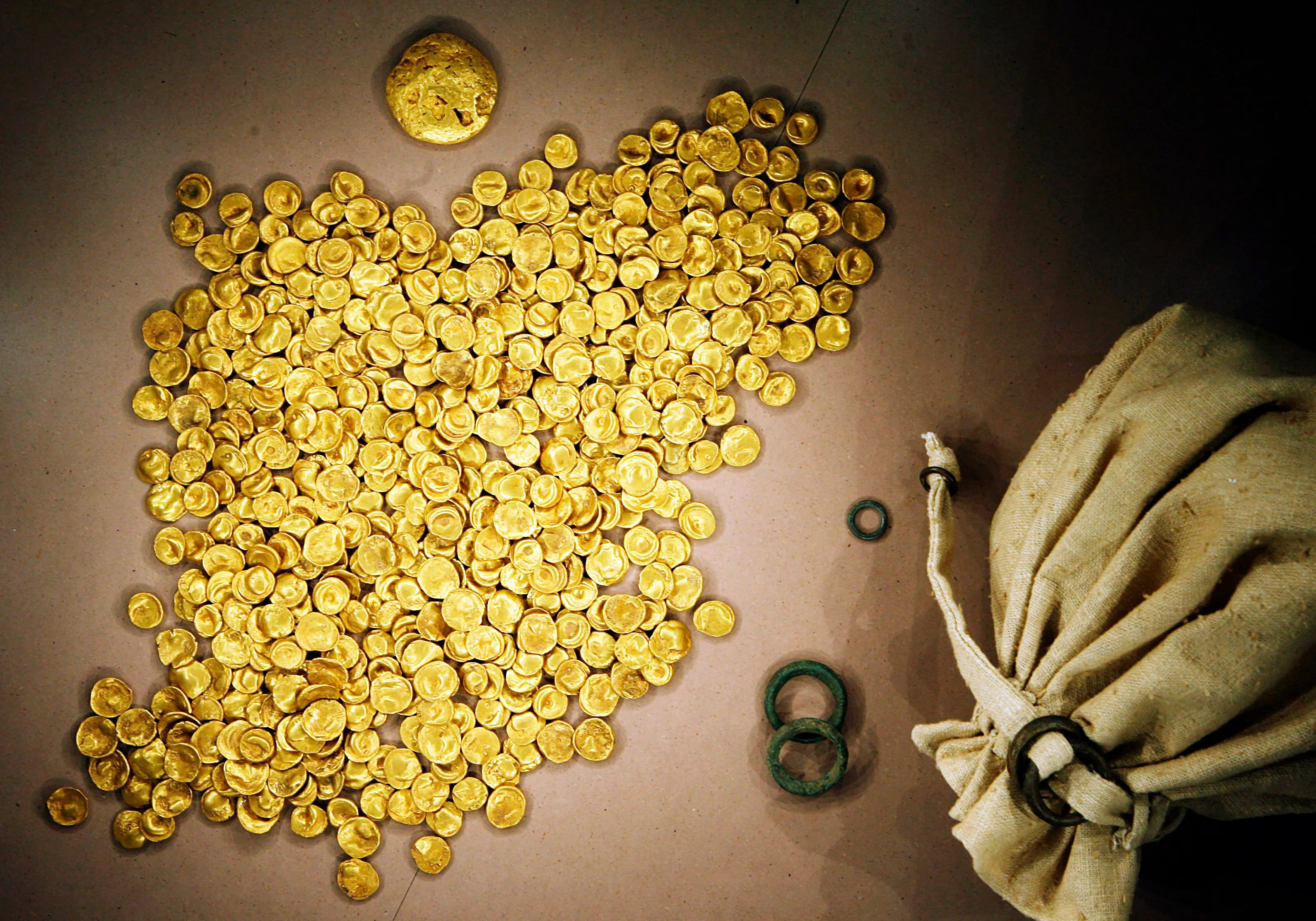
The estimated market value of the coins if they had been sold commercially was approximately $1.8 million. The gold value alone of the 3.7 kilos (8 lbs) of coins at the time of the heist was around $278,000. Both figures pale in comparison to the archaeological significance of the hoard, of course. Discovered in 1999 at the site of a Celtic settlement in what is now Manching, the hoard had been buried in a sack under the foundations of an ancient building. Analysis of the coins found the source of the metal was not local; it was Bohemian river gold. The hoard was the largest find of Celtic gold in the 20th century. It went on display at the museum in 2006 and was its signature attraction.
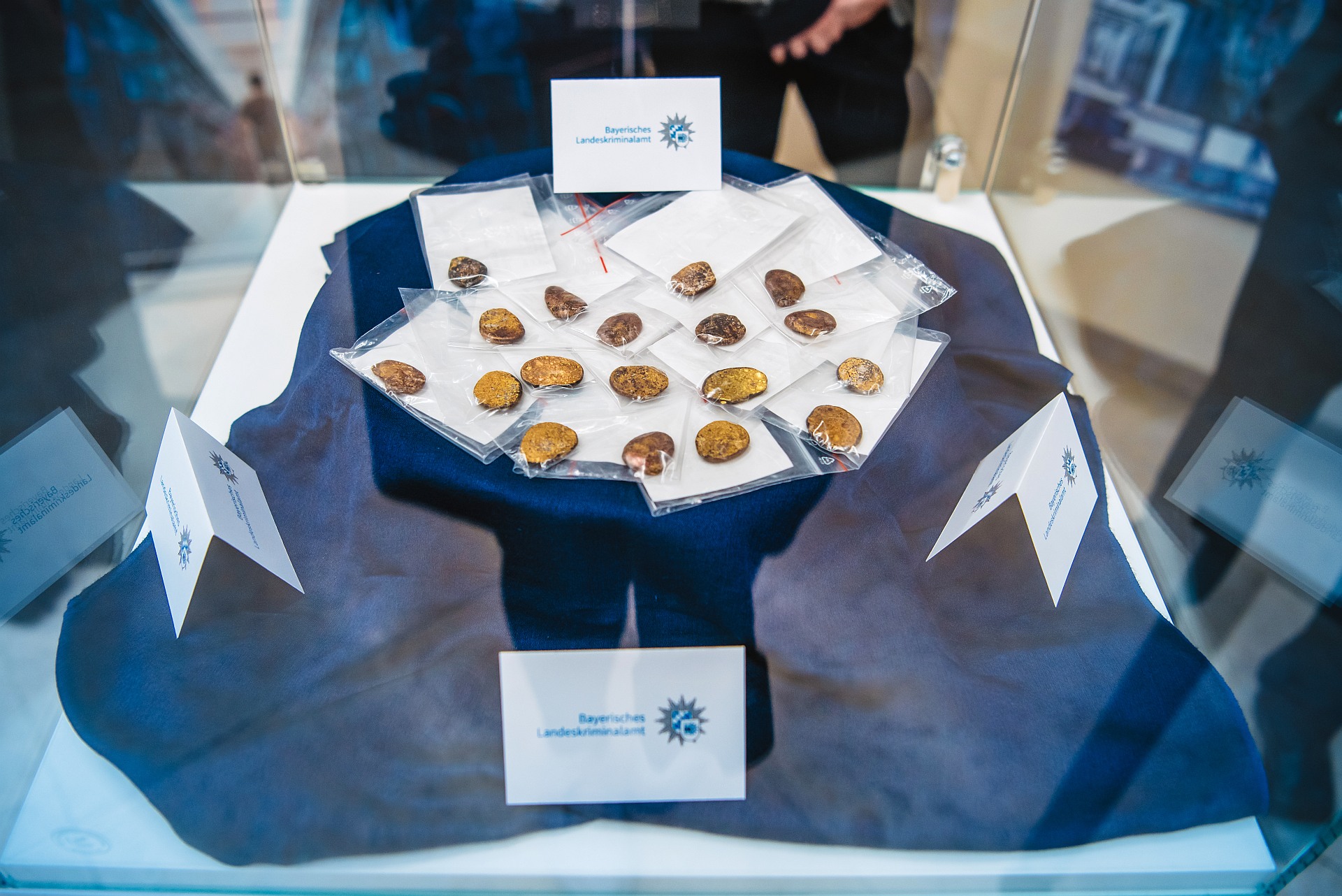
Investigators from the Bavarian State Criminal Police Office (BLKA) searched the area around the museum thoroughly, recovering two crowbars, a pair pruning shears, a wire cutter and a radio antenna. DNA traces on the tools of the crime connected the theft to eight similar ones in Germany and Austria. Months of dogged pursuit traced the suspects to northern Germany and the Ingolstadt public prosecutor’s office issued arrest warrants for them. Searches of 28 apartments, businesses, garden plots, a boathouse and vehicles found a panoply of burglary equipment.
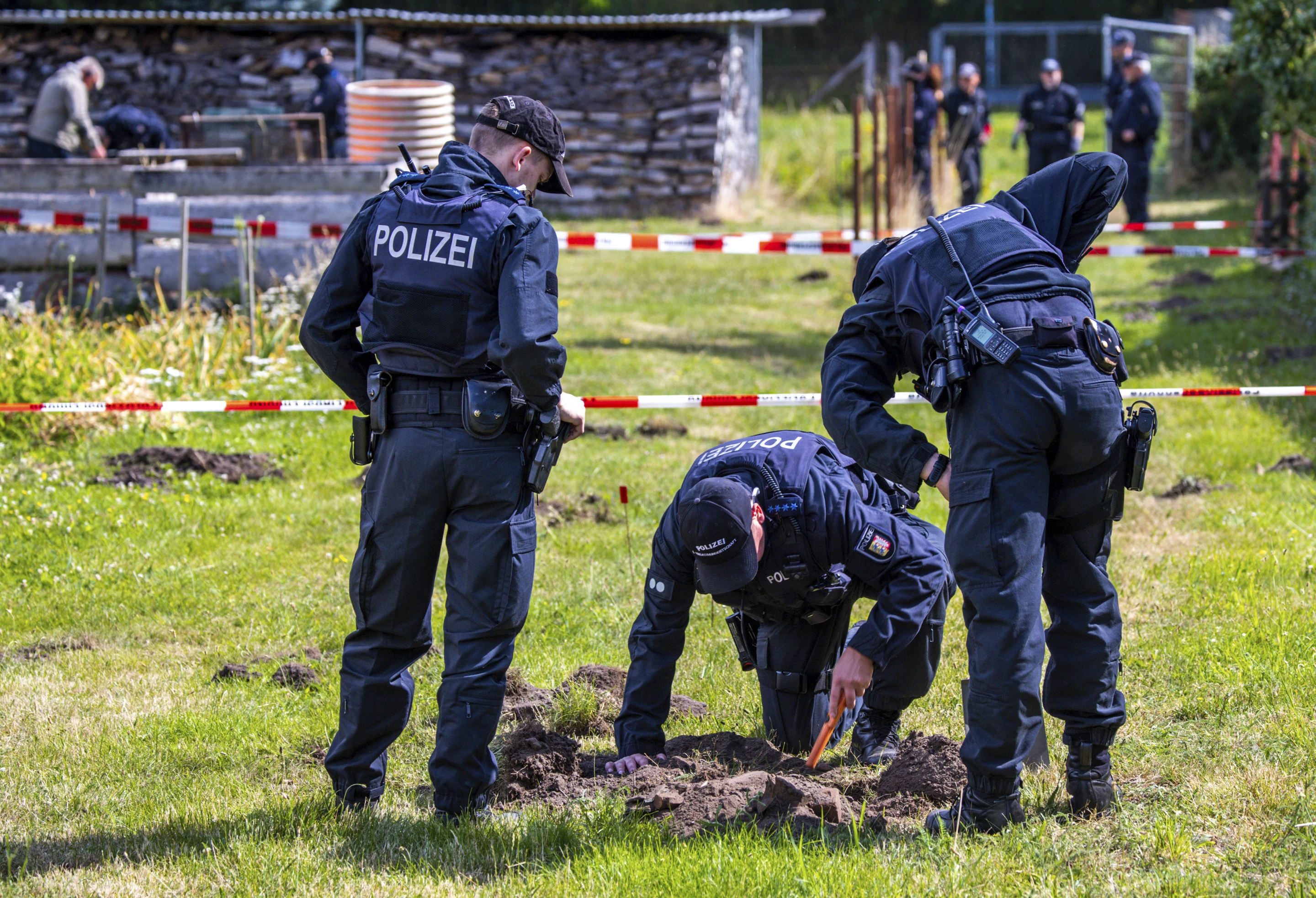
The suspects have not given over any information since their arrest. Authorities are searching for any surviving coins in Mecklenburg-Western Pomerania where three of the four were arrested. The search will target other areas that have come up in this extensive investigation as well.
* This article was originally published here
Grace Carter: 'I felt like there was a hand over my mouth for a long time'
Grace Carter was on the cusp of success when the pandemic stole her voice. Here's how she recovered.
from BBC News - Entertainment & Arts https://ift.tt/U2Wd0wp
from BBC News - Entertainment & Arts https://ift.tt/U2Wd0wp
Grace Carter: 'I felt like there was a hand over my mouth for a long time'
Grace Carter was on the cusp of success when the pandemic stole her voice. Here's how she recovered.
from BBC News - Entertainment & Arts https://ift.tt/4I7iE5M
from BBC News - Entertainment & Arts https://ift.tt/4I7iE5M
Latitude 2023: The rise of football shirts at music festivals
How football shirts became the garment of choice for festivalgoers.
from BBC News - Entertainment & Arts https://ift.tt/2VIwfjq
from BBC News - Entertainment & Arts https://ift.tt/2VIwfjq
Latitude 2023: The rise of football shirts at music festivals
How football shirts became the garment of choice for festivalgoers.
from BBC News - Entertainment & Arts https://ift.tt/qLdVm5v
from BBC News - Entertainment & Arts https://ift.tt/qLdVm5v
Consultant - NICU | Prospect Health
The Role
We, are delighted to announce that we are working with one of Saudi Arabia's well respected healthcare organization that is well recognized internationally. They are the regional leader in delivering best quality of patient centered health care. We have been asked to find top notch Consultants Neonatal Inten...
Consultant - Neurosurgery | Prospect Health
The Role
Our highly reputable client is currently looking to recruit a skilled and experienced Consultant Neurosurgeon to join their world class team in Saudi Arabia. Location The capital city of Saudi Arabia is modern and cosmopolitan yet yield a tranquil atmosphere. Nightlife in public areas is scarce; however, the...
Friday, 21 July 2023
Beethoven skull fragments return to Vienna

Two palm-sized and ten pea-sized fragments had broken off the skull during the autopsy performed the day after Beethoven’s death on March 26, 1827. They were buried in his coffin and buried on March 29th. In 1863, the Gesellschaft der Musikfreunde music organization arranged for Beethoven’s body (and that of Franz Schubert) to be exhumed and studied. The loose fragments were acquired at that time by Viennese physician and medical historian Franz Romeo Seligmann. Seligmann was an enthusiast of art history and phrenology and had been present at the exhumation, so he took them to make his own study of the skull of a musical genius.
The fragments remained in the family for decades, winding up in France when the family fled Nazi persecution. In 1990, US businessman Paul Kaufmann, Seligmann’s great-grand-nephew, inherited them after his mother died. He discovered the fragments in a family safety deposit box in a bank in France. They were in a metal box with “Beethoven” scratched into the lid. He loaned the fragments to the Ira F.Brilliant Center for Beethoven Studies at San Jose State University where they were studied.
Some US researchers have cast doubt on their authenticity, believing that the parts would have been damaged in a different way in the 1827 autopsy. Viennese researched in 1985 thought they were real, however, and Medical University of Vienna forensic pathologist Christian Reiter makes a strong circumstantial case that the fragments match the shape and saw grooves on the plaster cast of the skull made in 1863. The fragments also contain high concentrations of lead, something found in undisputedly authentic locks of Beethoven’s hair.
Austrian coroner Christian Reiter said the 10 fragments, including two bigger pieces, one from the back of the head and one from the right side of the forehead, had “great value”.
“We have received really valuable material here, with which we hope to continue to research in the next years. That was Beethoven’s wish too,” Reiter said.
The composer battled illness through his life and explicitly asked for his body to be studied, Reiter added.
First things first: the question of authentication will be resolved at once. DNA samples have been taken from the skull fragments by scientists at the Max Planck Institute for Evolutionary Anthropology in Leipzig. The results will be compared to the DNA retrieved from the locks of Beethoven’s hair. By the end of the year, the question should be conclusively answered.
* This article was originally published here
AI will 'lead to more games being made and more jobs'
Games have been using forms of AI for years, but what does the industry think of the latest tech?
from BBC News - Entertainment & Arts https://ift.tt/cuzO4iW
from BBC News - Entertainment & Arts https://ift.tt/cuzO4iW
Broadway strike averted hours after walkout vote
Without the tentative deal, the strike would have began as early as Friday, halting 27 NYC shows.
from BBC News - Entertainment & Arts https://ift.tt/kczEYQH
from BBC News - Entertainment & Arts https://ift.tt/kczEYQH
Chandrayaan-3: ಭಾರತದ ಕನಸು ನನಸಾಗಲು ಇನ್ನೊಂದು ಹೆಜ್ಜೆ ಬಾಕಿ!
ಭಾರತದ ಹೆಮ್ಮೆಯ ಯೋಜನೆ ಬಹುತೇಕ ಅಂತಿಮ ಹಂತವನ್ನು ತಲುಪುತ್ತಿದೆ. ಅದ್ರಲ್ಲೂ ‘ಚಂದ್ರಯಾನ-3' ಕ್ಷಣಕ್ಷಣಕ್ಕೂ ಚಂದ್ರನ ಸಮೀಪಕ್ಕೆ ಹೋಗುತ್ತಿದ್ದು, ನಮ್ಮ ಗುರಿಯನ್ನು ತಲುಪಲು ಇನ್ನೊಂದೆರಡು ಹೆಜ್ಜೆ ಮಾತ್ರ ಬಾಕಿ ಉಳಿದಿದೆ. ಕೆಲವೇ ದಿನಗಳಲ್ಲಿ ಚಂದ್ರನ ಮೇಲೆ ಭಾರತದ ಹೆಗ್ಗುರುತು ಮೂಡಲಿದ್ದು, ಇಸ್ರೋ ಸಂಸ್ಥೆ ತನ್ನ ಹಾದಿಯಲ್ಲಿ ಇದೀಗ ಮತ್ತೆ ದಿಗ್ವಿಜಯ ಸಾಧಿಸಿದೆ. ಹೌದು, ಭೂಮಿಯ ಕಕ್ಷೆಯಲ್ಲಿ ಪರಿಭ್ರಮಿಸುತ್ತಿರುವ ‘ಚಂದ್ರಯಾನ-3'
ರಷ್ಯಾ ನಡೆಸಿದ ಭೀಕರ ದಾಳಿಯಲ್ಲಿ 60 ಸಾವಿರ ಟನ್ ಧಾನ್ಯ ಸರ್ವನಾಶ!
ಕೀವ್: ಉಕ್ರೇನ್ ವಿರುದ್ಧ ದಾಳಿಯನ್ನು ರಷ್ಯಾ ತೀವ್ರಗೊಳಿಸಿದೆ. ಕಳೆದ ಕೆಲವು ದಿನದಿಂದ ನಿರಂತರವಾಗಿ ಡ್ರೋನ್ & ಕ್ಷಿಪಣಿ ದಾಳಿ ನಡೆಸುತ್ತಿರುವ ರಷ್ಯಾ ಸೇನೆ, ಉಕ್ರೇನ್ಗೆ ಆಘಾತ ನೀಡಿದೆ. ಅದರಲ್ಲೂ ಮೂಲಸೌಕರ್ಯ ವ್ಯವಸ್ಥೆ ಹಾಗೂ ಆಹಾರ ಪದಾರ್ಥಗಳು ಕೂಡ ರಷ್ಯಾ ದಾಳಿಯಲ್ಲಿ ಮಣ್ಣುಪಾಲಾಗಿದೆ. ಈ ಮೂಲಕ ಮೊದಲೇ ಸಂಕಷ್ಟದಲ್ಲಿದ್ದ ಉಕ್ರೇನ್ ಜನರಿಗೆ ದಾರಿಯೇ ಕಾಣದಂತಾಗಿದೆ. ಉಕ್ರೇನ್ ವಿರುದ್ಧ ದಾಳಿಗೆ
Broadway strike averted hours after walkout vote
Without the tentative deal, the strike would have began as early as Friday, halting 27 NYC shows.
from BBC News - Entertainment & Arts https://ift.tt/TQIKjMc
from BBC News - Entertainment & Arts https://ift.tt/TQIKjMc
Thursday, 20 July 2023
Italy returns looted funerary stele to Turkey
Italian authorities have returned a 2nd century A.D. funerary stele looted from the ancient city of Zeugma to Turkey. The stele, deemed by archaeologists to be of extraordinary historical and artistic significance, was given to officials of the Turkish embassy in Rome at the end of April, and this week it was welcomed home in a ceremony at the Gaziantep Zeugma Mosaic Museum.
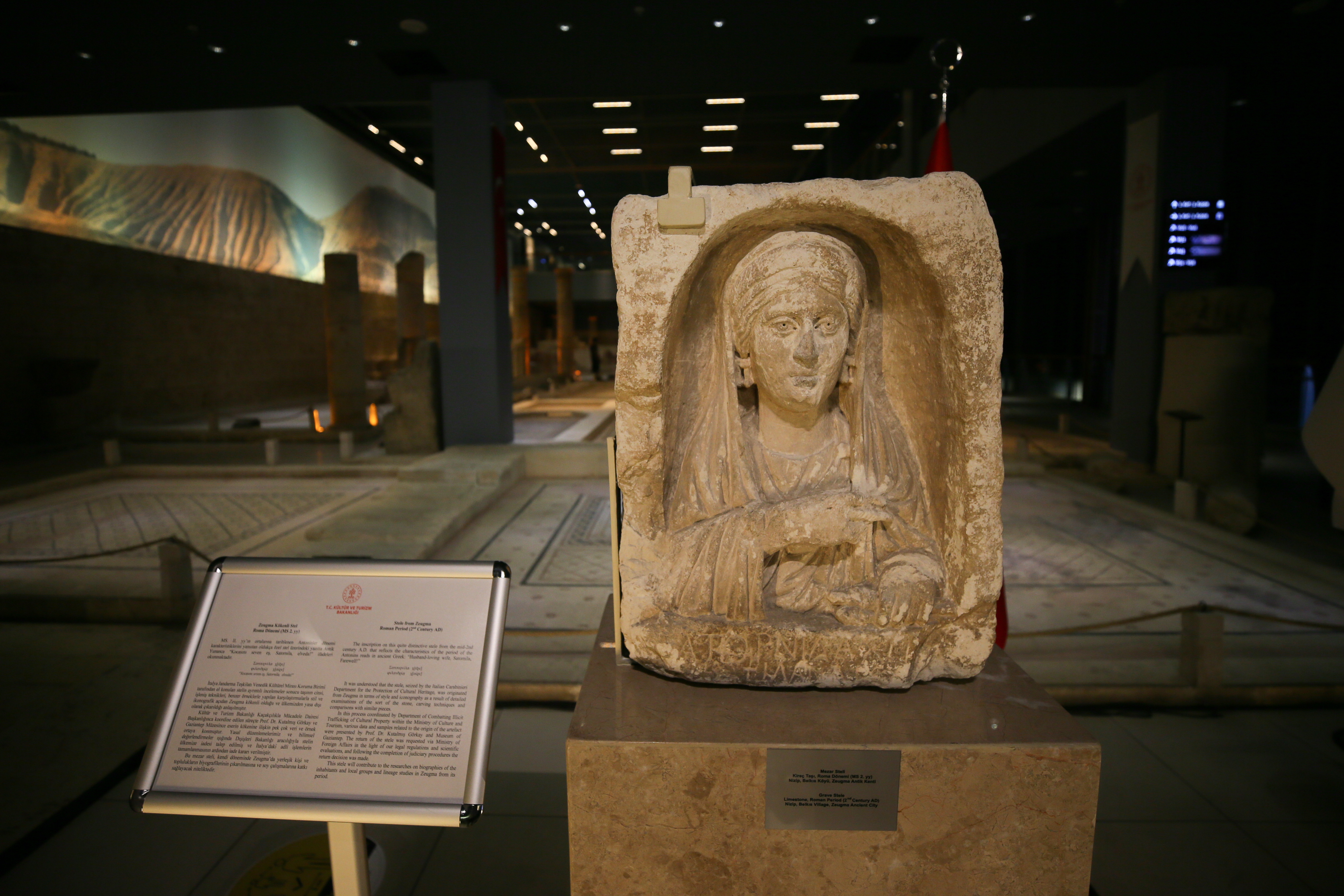
The stele is carved from a solid block of limestone of a type found in the Gaziantep region. It was the primary stone used for statues and headstones in Roman-era Zeugma. It is a rectangle with a deeply inset arch. Inside the arched niche is the bust of a woman dressed in the traditional chiton of a Roman bride, her right hand over heart holding her veil, her left hand holding a spindle. An inscription in Greek on the base reads “Satornila, the wife who loves her husband, goodbye.”
It was seized from a house in Florence in an investigation by the Carabinieri for the Protection of Cultural Heritage of Venice last year. The suspect had purchased it in France then filed a fraudulent request for a temporary entry certificate, claiming the stele had originated in Italy. Had the certificate been granted, he would have been able to export the artifact without being bound by national cultural heritage protections for five years. Before they would grant the license, the Florence Export Office asked him for proof of legal ownership prior to 1909 (the year Italy’s protection of archaeological assets law came into effect) and legal documents proving its original removal from Italy was legitimate.
The suspect hastily withdrew his application, but his shadiness was in the cross-hairs now. The Carabinieri undertook to reconstruct the real transit history of the stele, with the aid of Turkey’s Culture Ministry, Zeugma archaeologists, Interpol and the Italian Culture Ministry’s database of illicitly stolen cultural assets. Meticulous research into the iconography, style, size, materials and soil traces found on the stele confirmed that it was from Zeugma, not Italy.
The stele is an outstanding example of artistic style of Zeugma in the Antonine Period, and archaeologists believe its inscription will shed new light on the history of the ancient city, especially the local families that adopted Latin names after becoming Roman citizens.
* This article was originally published here
Evening Standard front page of mayoral candidate a mockery, say Tories
The Evening Standard's use of a photo of Susan Hall is described as having a "whiff of misogyny".
from BBC News - Entertainment & Arts https://ift.tt/FXVLRGg
from BBC News - Entertainment & Arts https://ift.tt/FXVLRGg
Damon Albarn felt 'quite lost' writing new Blur album
The singer says he embraced his low mood and used it to inform Blur's first album in eight years.
from BBC News - Entertainment & Arts https://ift.tt/B2nHLxA
from BBC News - Entertainment & Arts https://ift.tt/B2nHLxA
Wednesday, 19 July 2023
Bronze Age “charioteer’s belt” found in Siberian tomb


It is a square masonry tomb with an earthen mound built on top of it. The deceased was buried with a bronze knife, bronze jewelry, including a necklace with rectangular pendants typical of Lugav culture, and the belt.
Aleksey Timoshchenko, an archaeologist at the Institute of Archaeology and Ethnography of the Russian Academy of Sciences, told Live Science in an email that the object was found in its original placement at the waist of the person in the undisturbed grave.
“This fact, along with direct analogies in burial mounds of China, allows us to determine their purpose a little more confidently,” he said.


* This article was originally published here
Subscribe to:
Posts (Atom)