
Germany’s largest coin hoard from the reign of the emperor Hadrian has been discovered near Wesseling, on the Rhine river just south of Cologne.
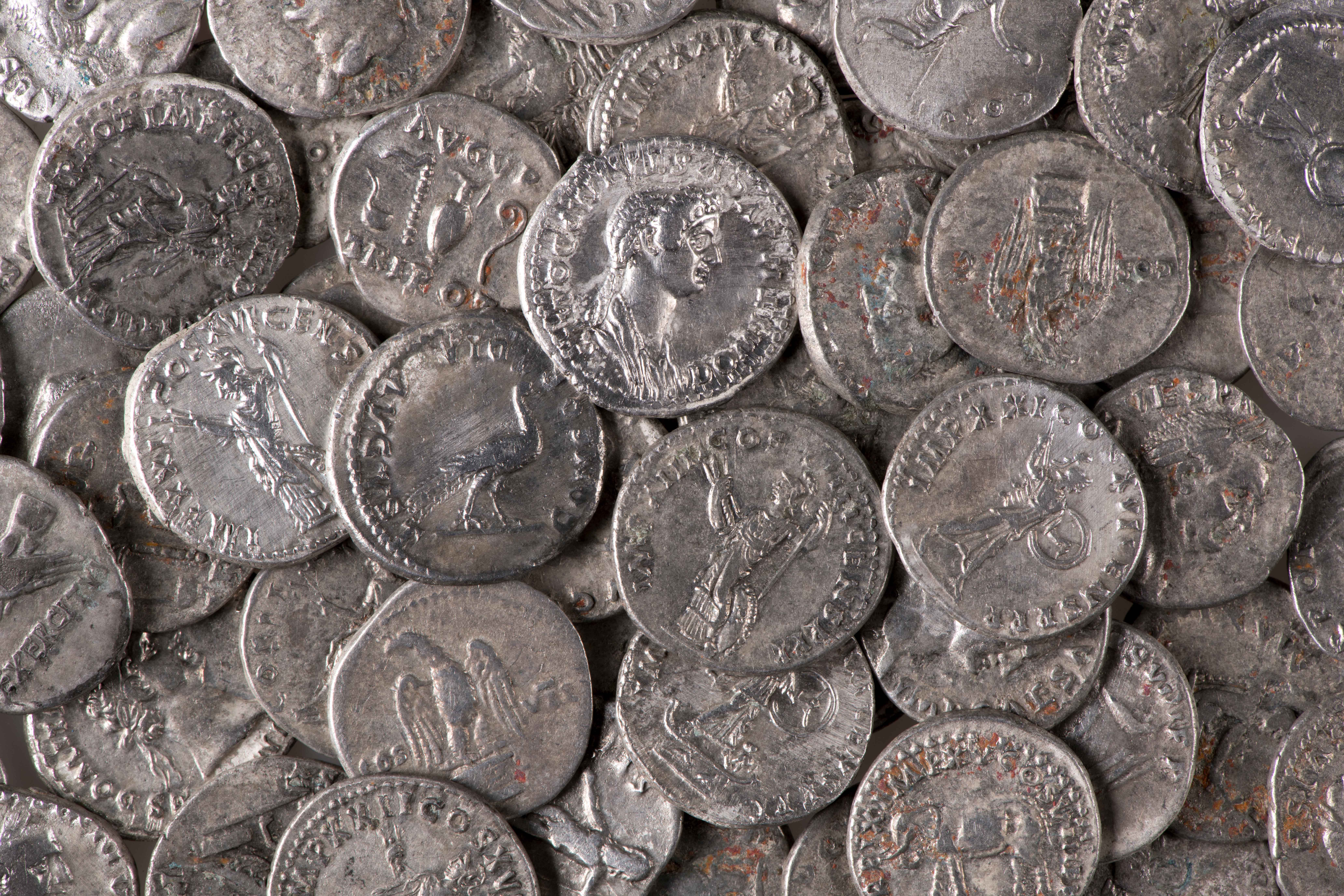
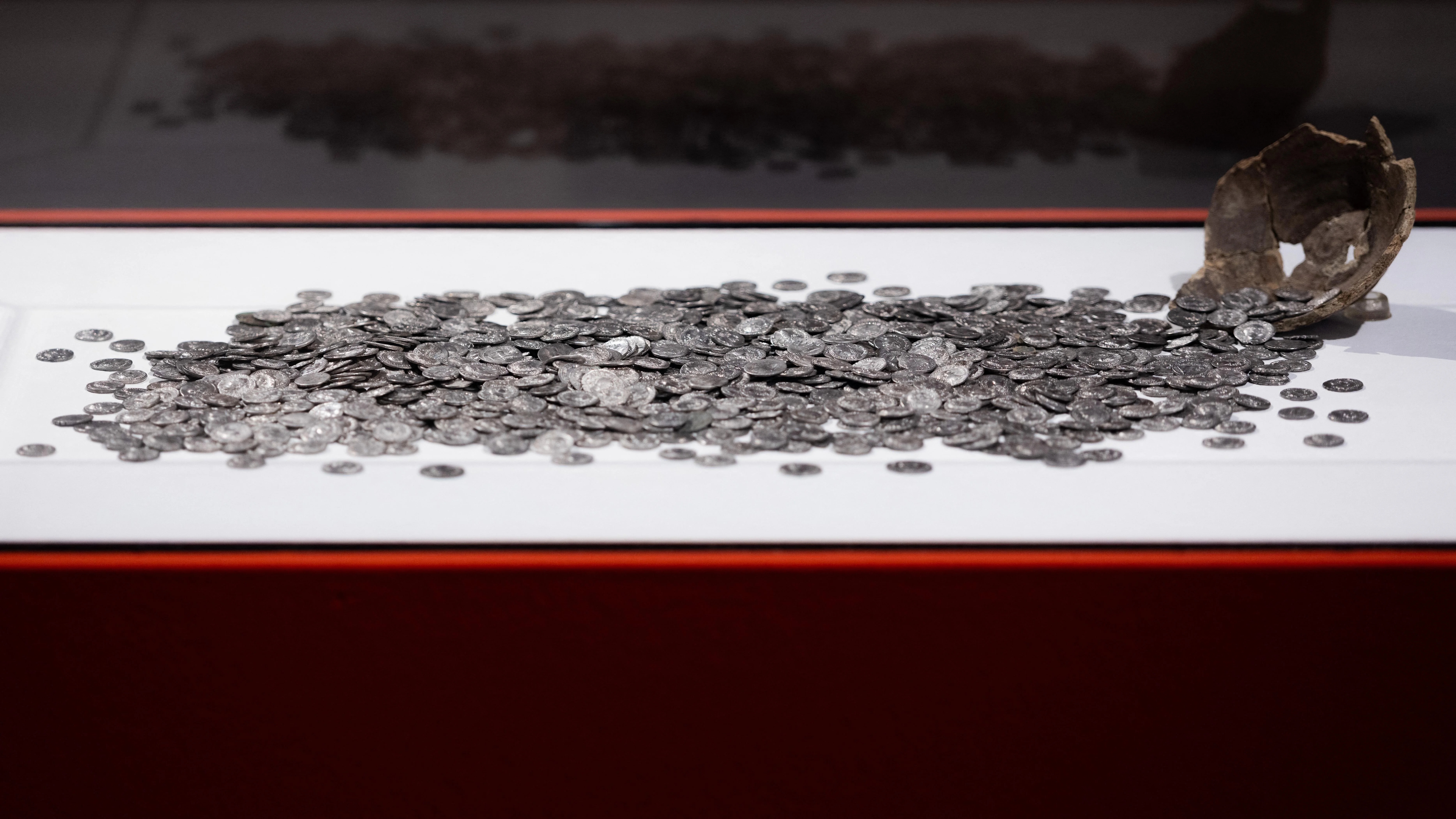
Archaeologists from the Nideggen branch of the LVR-ABR were immediately dispatched to excavate the find site. The team unearthed more than 900 additional denarii, for a total of 934 coins weighing 3.1 kilos (6.8 lbs) of silver. In terms of buying power, that’s more than three times the yearly pay of a Roman legionary. Since half of their salary was deducted to pay for their food and equipment, however, a legionary would have had to save every denarius for six years to amass a hoard of this size.
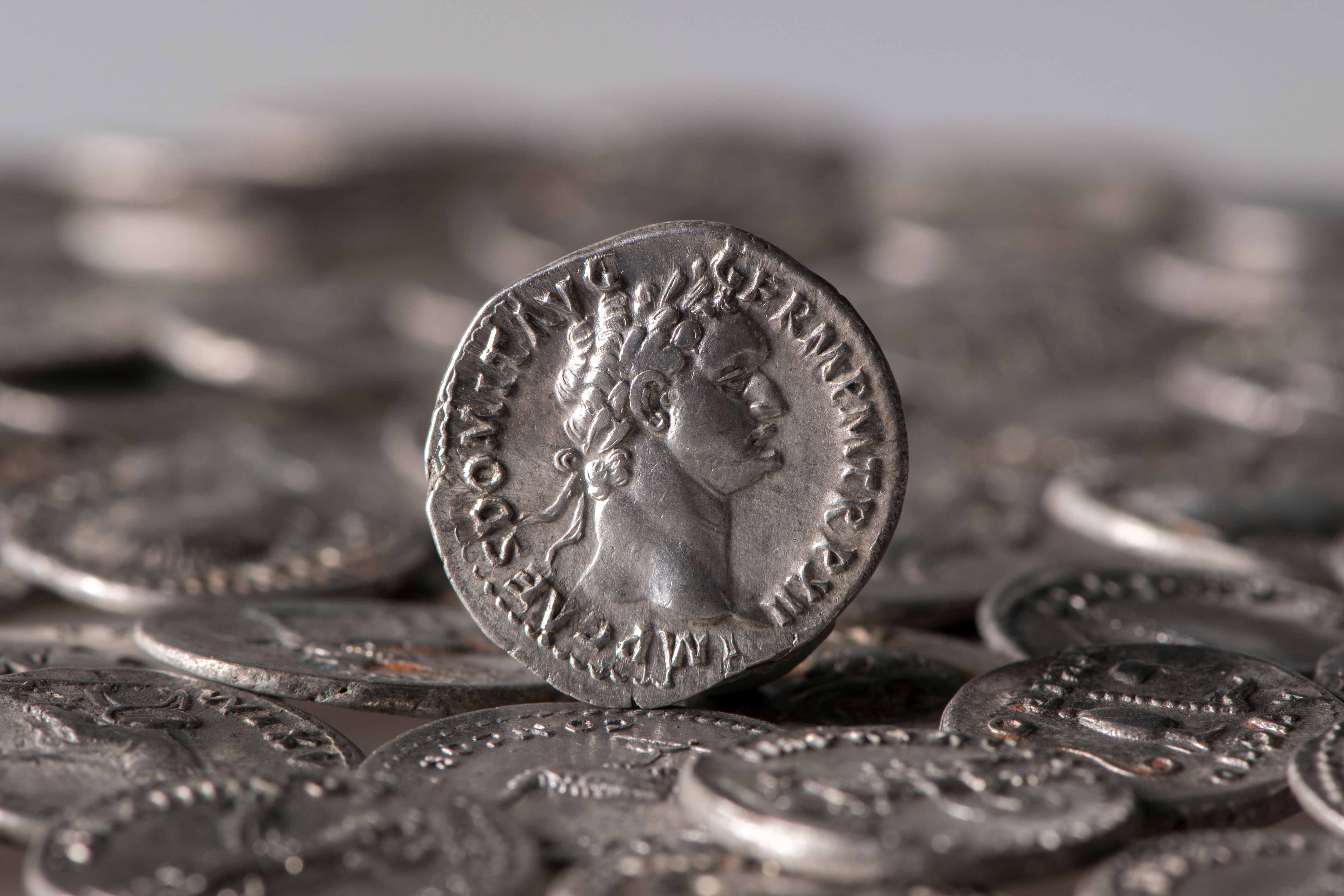
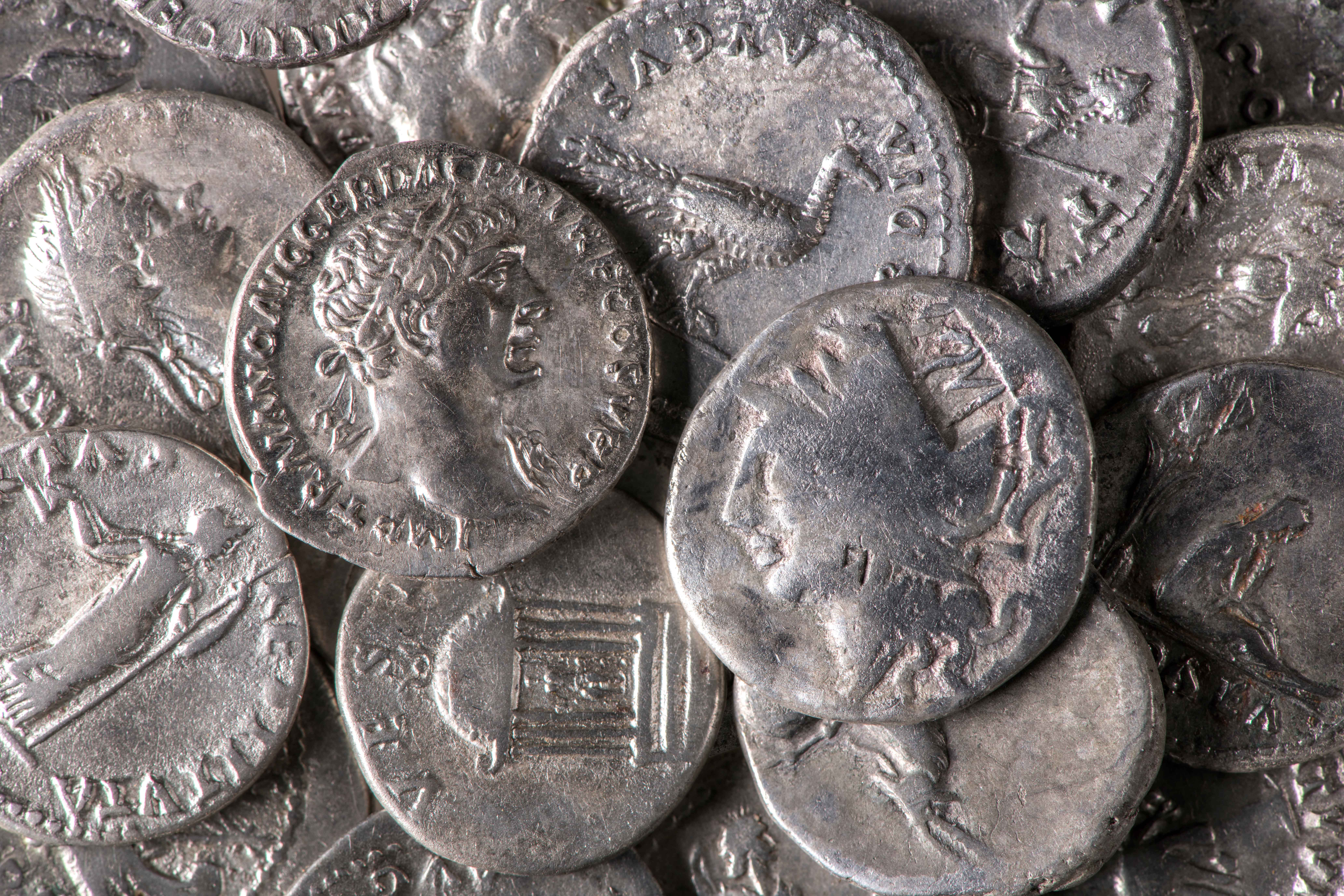
During the excavations, a concentration of numerous coins quickly became apparent. To better examine the find, it was recovered as a block and transported to the restoration workshop of the LVR State Museum in Bonn. There, the block of earth containing the coins was first X-rayed. This allowed valuable insights to be gained before the coins were unearthed. Fragments of a ceramic pot and remnants of straw were also found. “The coins were probably originally buried in a pot lined with straw,” says Rahel Otte. However, years of agricultural activity destroyed the container, and the coins were scattered in the soil. “But we were able to find and recover all the coins during our investigations.”
The hoard has now gone on display at the LVR State Museum in Bonn where it is being presented to the 300 archaeologists from all over Germany who are currently in town for the annual conference of the West and South German Association for Archaeological Research.
* This article was originally published here

No comments:
Post a Comment