WHAT’S HOT NOW

GOPAL KRISHNA SAD SONGS 003

GOPAL KRISHNA SAD SONGS 002

GOPAL KRISHNA SAD SONGS 001

ಗುರುವಾರ ಕೇಳಿ ಶ್ರೀ ರಾಘವೇಂದ್ರ ರಕ್ಷಾ ಮಂತ್ರ

Tuesday, 3 November 2026

2,300-year-old possible priestess tomb found in southern Italy

Archaeologists have discovered the 2,300-year-old tomb of a possible priestess of Demeter in Manduria, a town in Apulia inside the heel of Italy’s boot. It contains two inscriptions, one carved, one painted, in the pre-Roman, non-Italic Messapic language and decorative iconography related to the cult of Demeter.

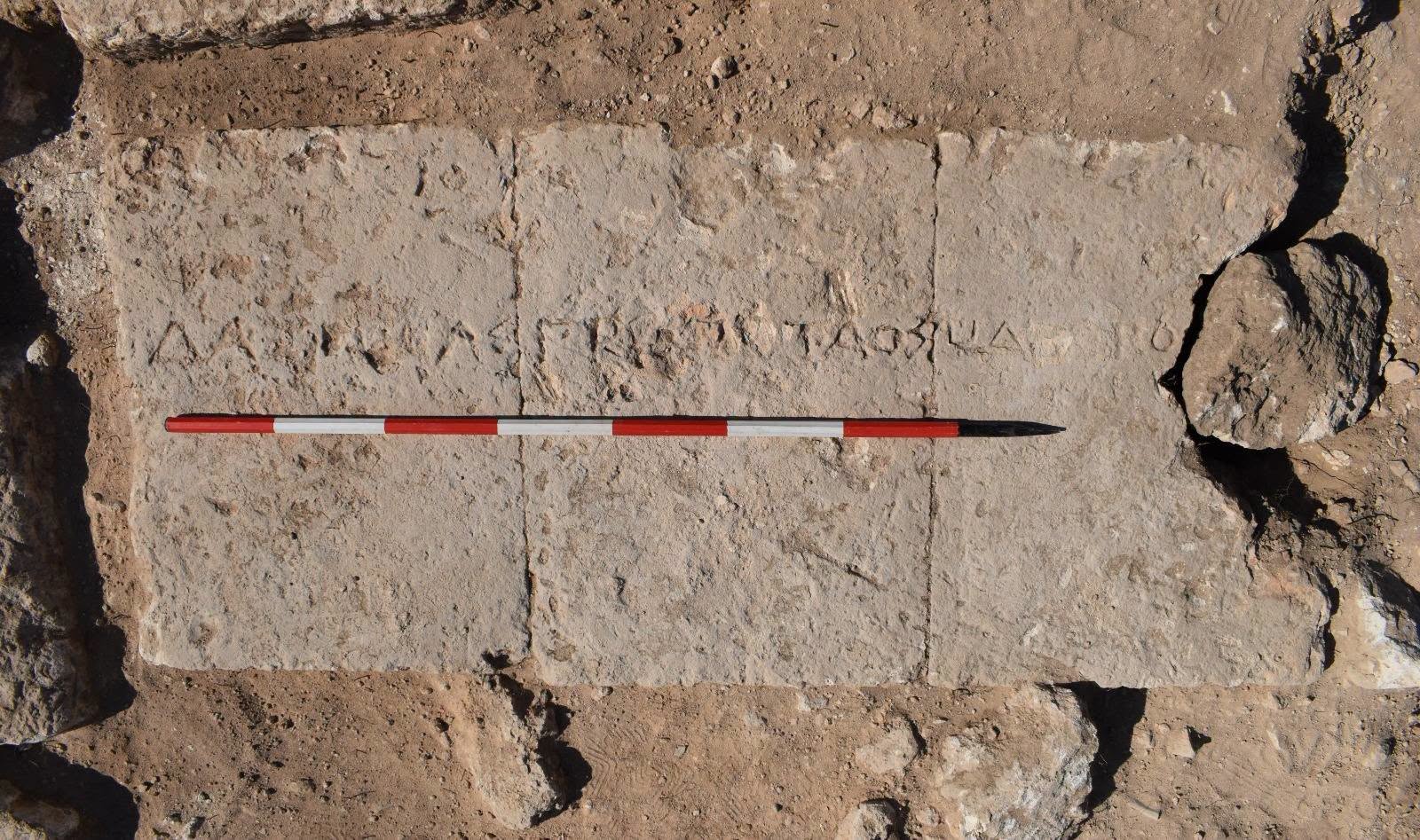
The tomb was found in the ancient necropolis of Manduria in the Mura Messapiche Archaeological Park. Tomb 17 was carved into the bedrock, the opening originally sealed with three massive stone slabs. The carved inscription is spread over the three stone slabs that originally sealed the tomb. Epigraphers have identified the name of a woman, her father’s name, and the word “thabara,” in this context a priestly title. The inscription is evidence that the tomb belonged to a woman from a prominent family who held a significant religious role in the community.

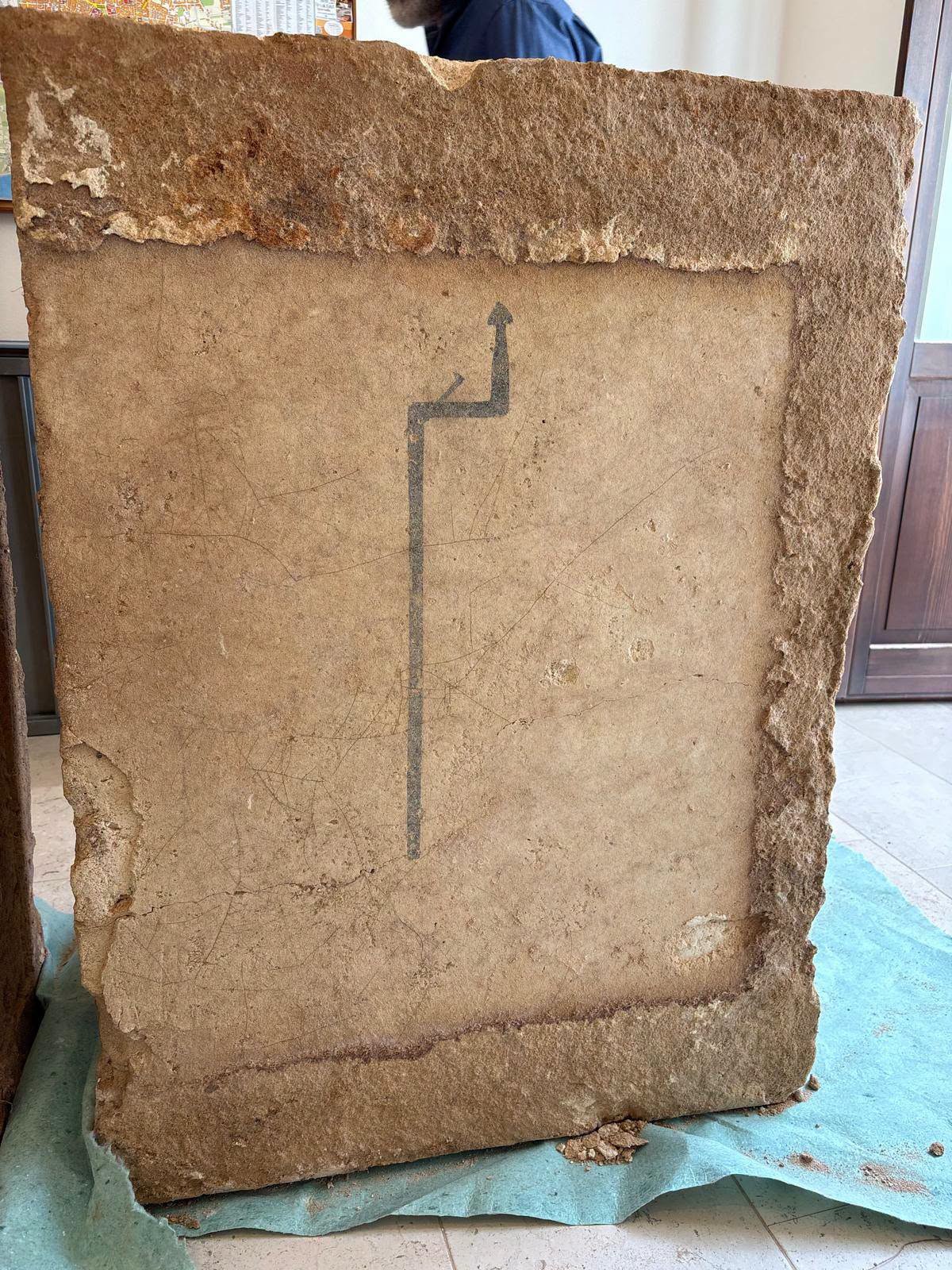
The second inscription is painted on the inner side of one of the sealing slabs. It consists of four lines of texts that again include the word “thabara” and a name that has been interpreted as “Damatrioas,” a possible reference to Demeter, Greek goddess of harvest and agriculture. The inscription combining the priestly title with the name of the goddess is what suggests the deceased may have been a priestess of Demeter.

The tomb also contains exceptional pictorial decorations, with meander pattern on the upper part of the stone slabs, a temple key and a thymiaterion (a vessel used to burn incense). It had been looted in antiquity, so only a few grave goods remain. They include bronze fibulae, a silver finger ring with a snake motif, a silver coin minted in Taranto and an unknown iron object. Osteological remains are sparse and fragmentary, damaged by looters and acidic soil conditions.
There are only about 600 surviving Messapic inscriptions. The language went extinct after the Roman conquest of southern Italy in the Second Punic War (218-201 B.C.) so any new discoveries are of great archaeological significance. These inscriptions hold additional significance as the role of women in Messapian religion is an open question. If the preliminary interpretations of the inscriptions are confirmed, Tomb 17 will provide important new insights into women’s religious positions and how Greek cults evolved in southern Italy.

Archaeologists will continue to study and analyze the inscriptions from Tomb 17. In additional to further epigraphic study, the tomb’s decorations will be conserved and the grave goods examined.


* This article was originally published here

No comments: