* This article was originally published here

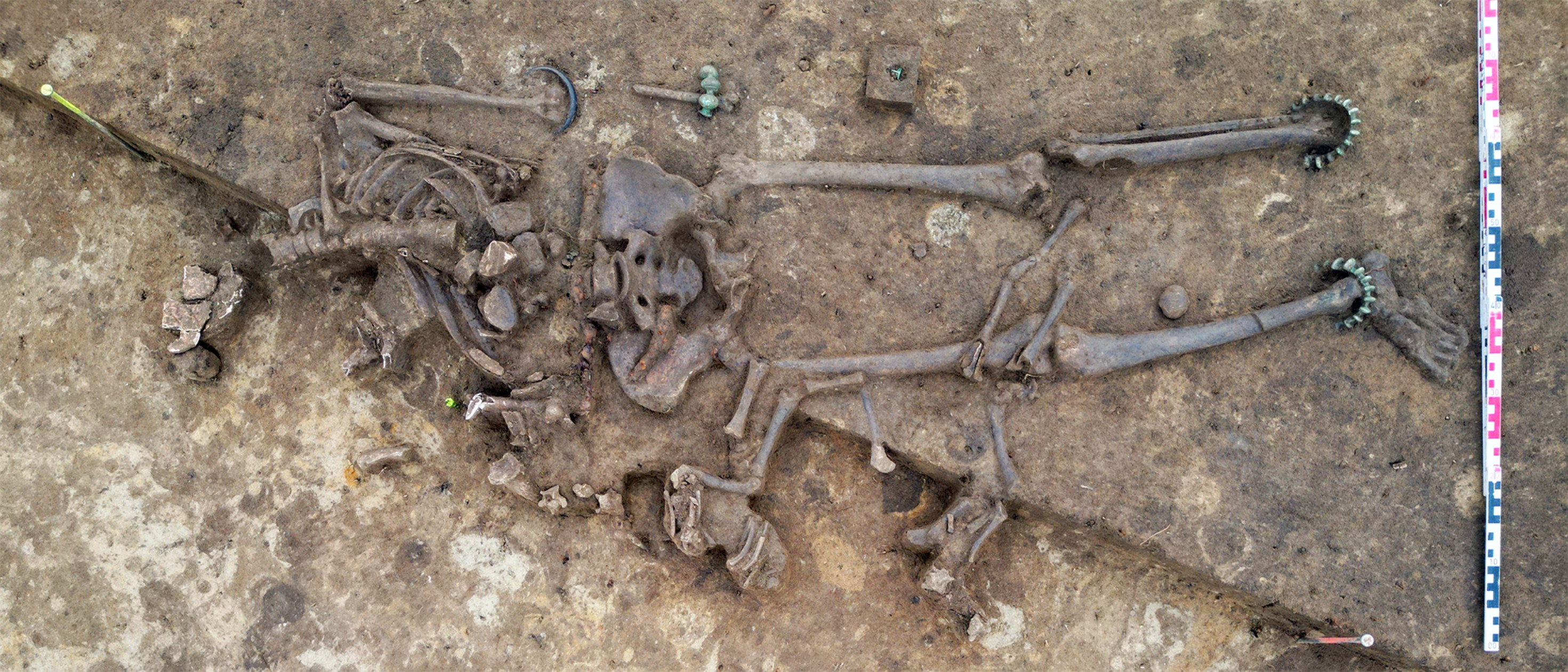
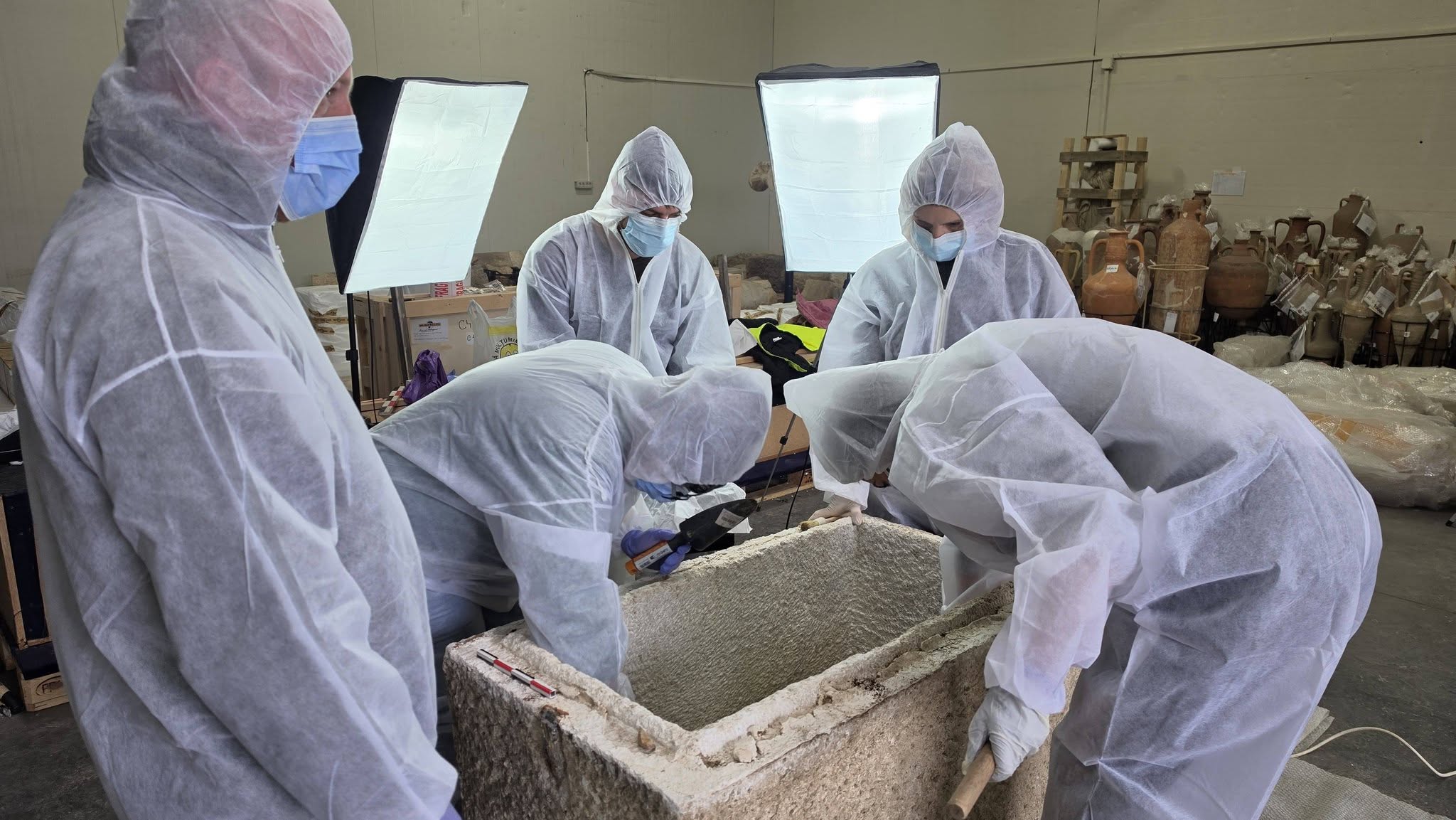
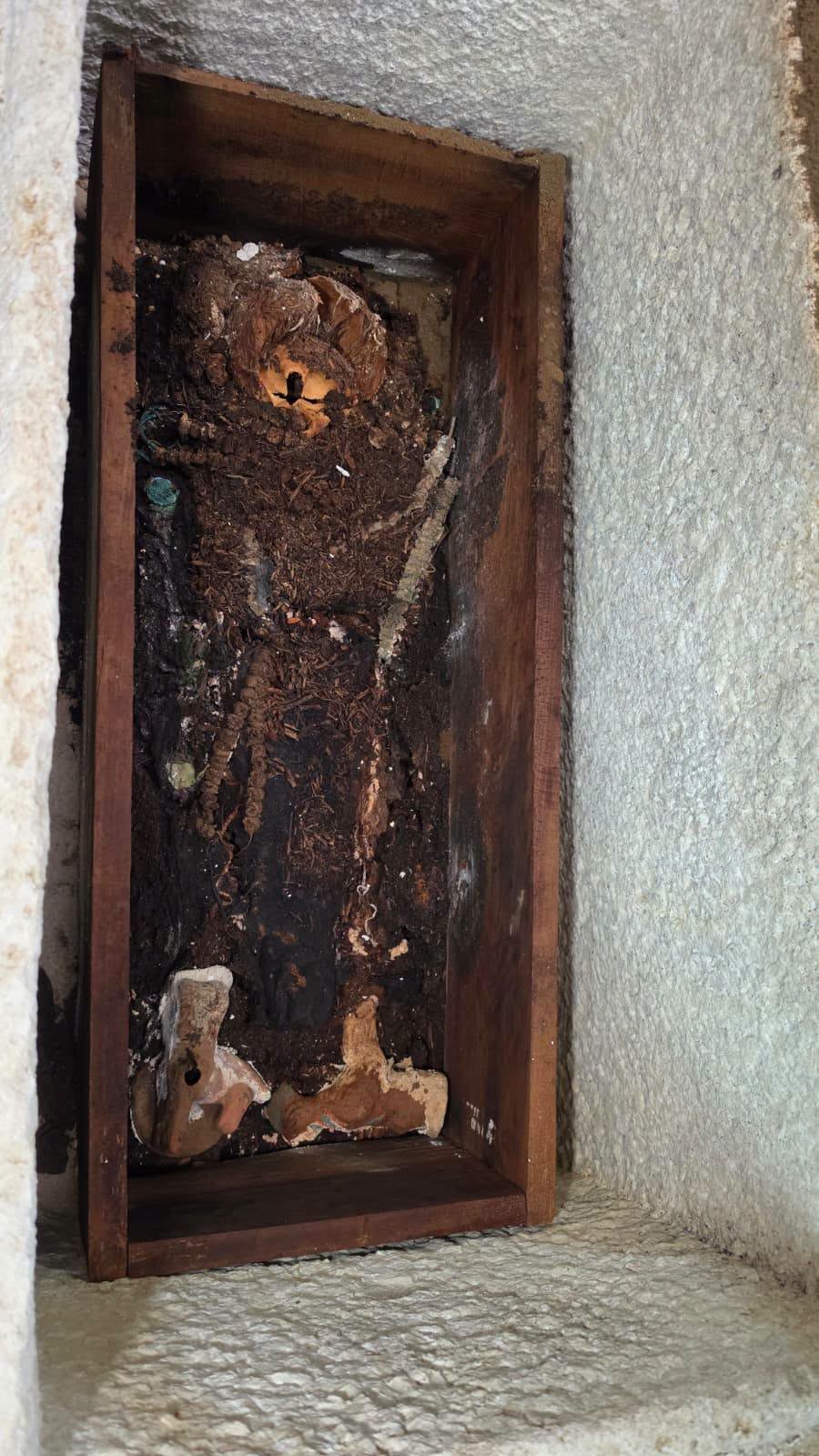
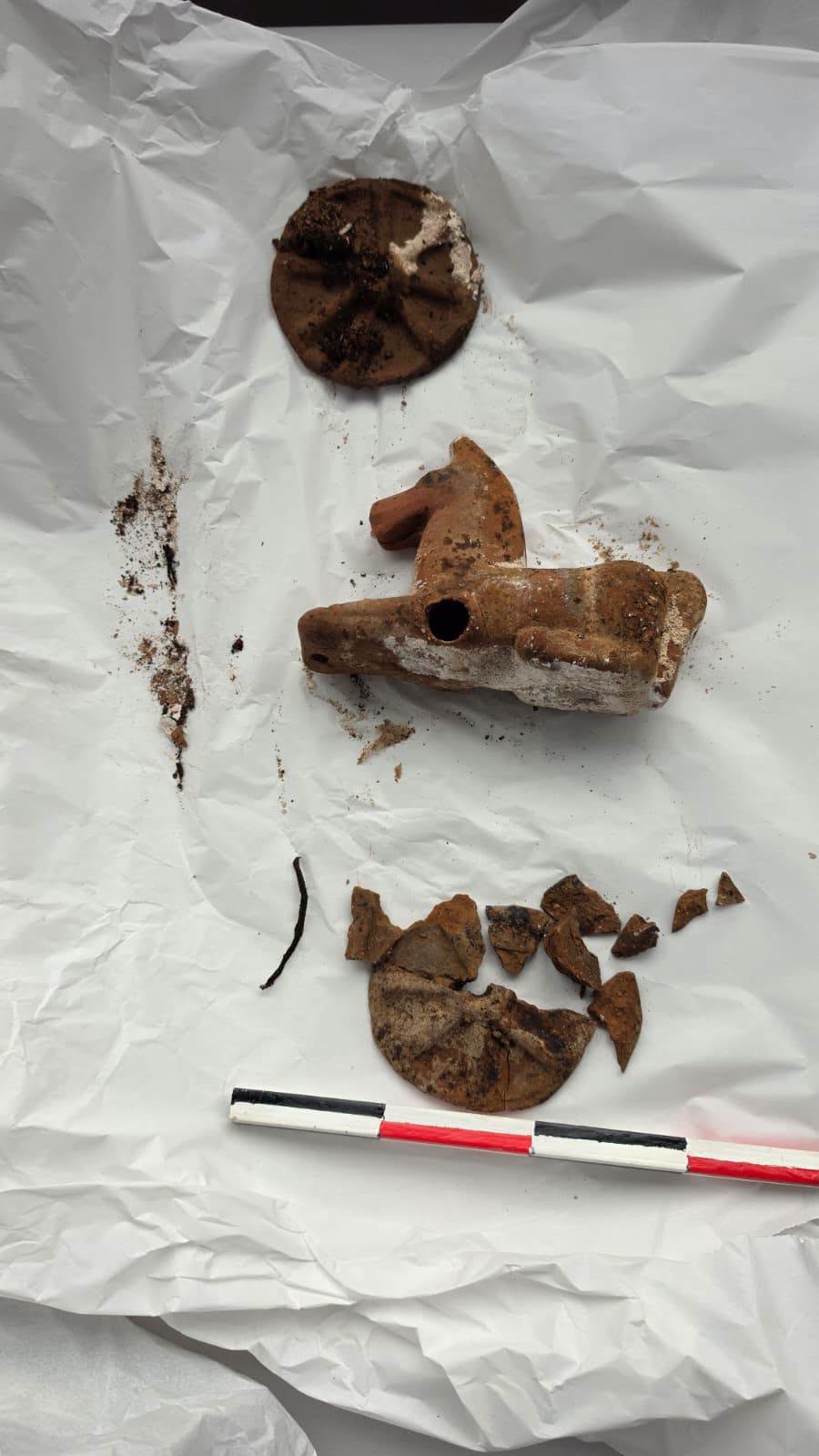
The grave of a Celtic woman buried with an unusual animal offering and rich jewelry has been discovered in Senden, in the German state of Bavaria. The remains of a lamb or kid, which were typically not left in graves as food offerings, raises new questions about the funerary rituals of the Celts of central Europe.
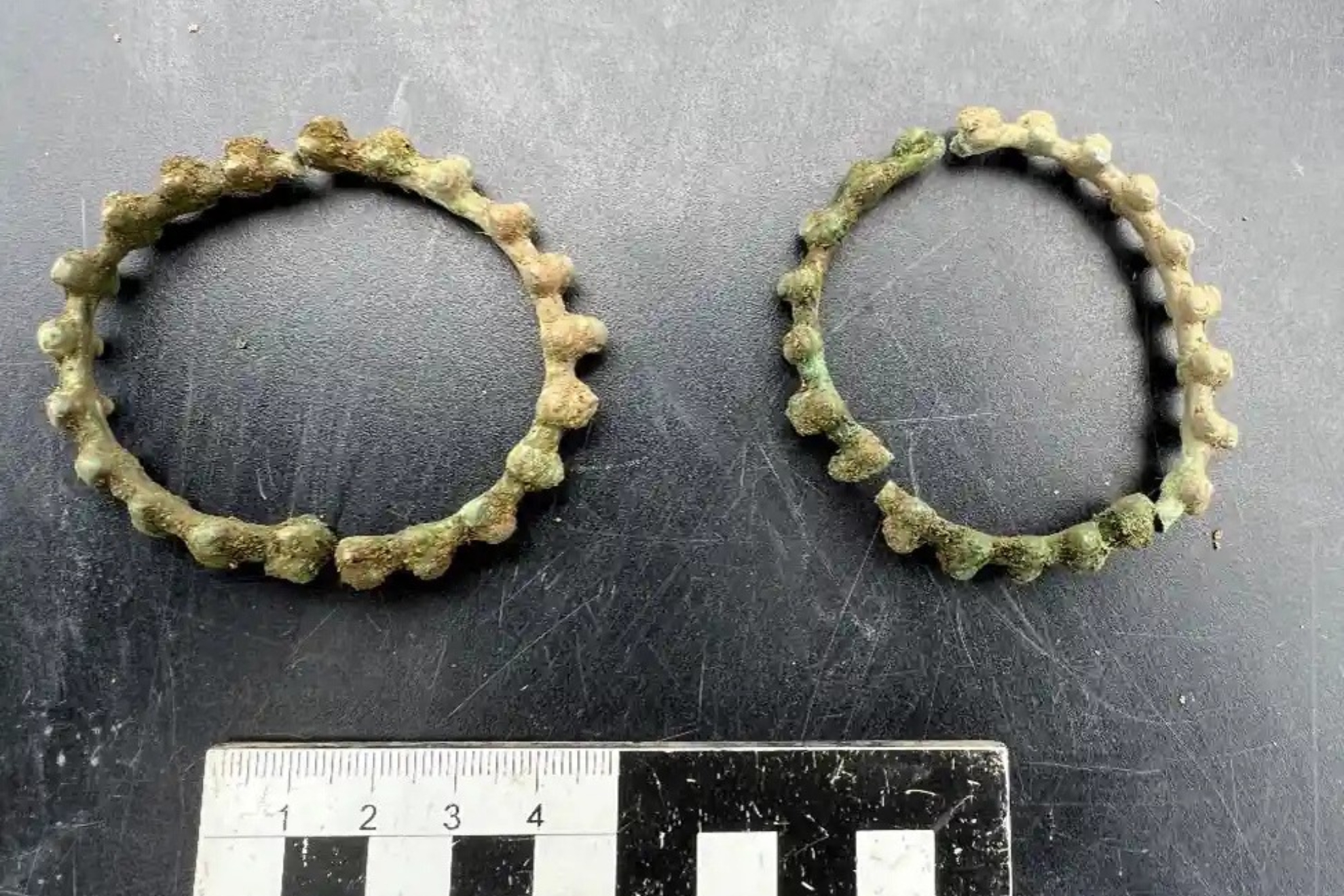
The grave was unearthed in a 2024 excavation at the site of a planned industrial park. The excavation uncovered traces of settlement from the Celtic Iron Age to the Roman Imperial era, but the grave was the most striking find. It contained the skeletal remains of an adult woman wearing valuable jewelry: a matching pair of heavy bronze anklets and a rare arm ring made of sapropelite, a dark, jet-like rock formed from fine organic mud that has hardened and mineralized over millions of years. Iron Age Celts carved and polished it for jewelry, usually bangle bracelets.
The remains have not been absolutely dated yet, but the two anklets are knotted ring bracelets, a type of jewelry produced by the La Tène culture between 380 and 250 B.C.
Dr. Stefanie Berg, who leads the ground monument department at the BLfD, calls the woman’s grave an outstanding single find. She says the grave sits inside a much bigger story. Her team documented traces of settlement across the dig area, running from the Celtic period into the Roman imperial age. Finds like these, she says, show the region served as busy living space for thousands of years. The grave is one point in a long record of people living and working on the same ground.

The battle-axe provides valuable insight into the role these objects played in expressing status, identity and changing ways of life in Neolithic and Bronze Age Britain. It also has significant research potential, offering future generations an opportunity to learn more about this period of our shared national history.
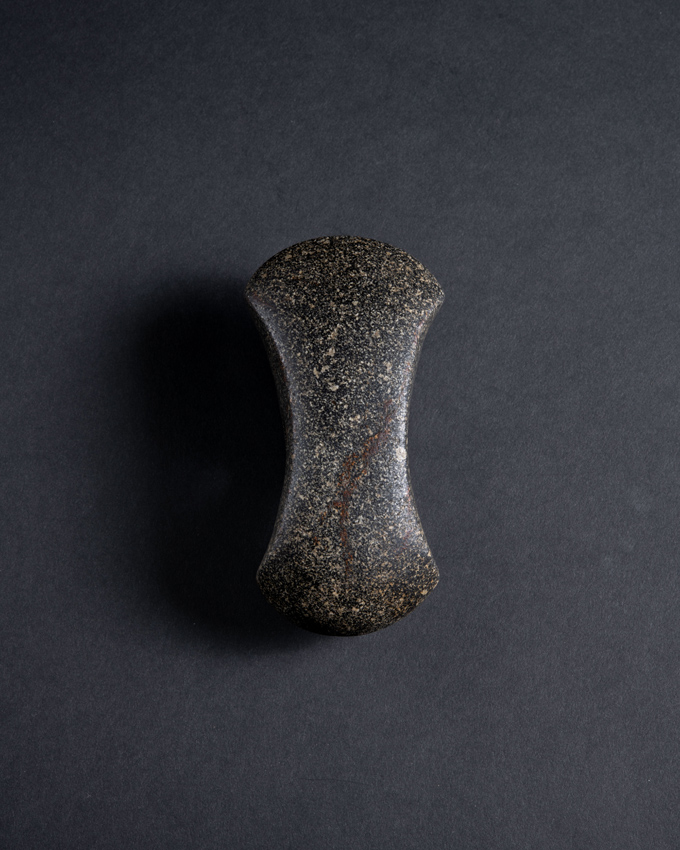
According to Tim Pestell, member of the Reviewing Committee on the Export of Works of Art and Objects of Cultural Interest (RCEWA), cutting a hard stone like this into a tapered shape with a central hole and then polishing it to a bright shine would have required hundreds of hours of hard work. The emphasis on aesthetics in the production of the piece suggest it was not just a utilitarian device.
In a profound period of change, the Early Bronze Age witnessed a society previously restricted to flint tool technology adopting metalwork. Despite this, battle axes became some of the most powerful symbolic objects, labelled by one scholar as ‘blunt instruments of power’. Made of stone rather than metal, they conveyed important social, sacred and political messages.
The axe head’s outstanding connection the British history, aesthetic significance and importance to the study of artifacts like it meets the first, second and third of the Waverley criteria used by the committee to make its determination. On the recommendation of RCEWA, Heritage Minister Baroness Twycross imposed a temporary export bar on the prehistoric artefact. Potential purchasers have until December 22 to make a good faith effort to raise the funds to acquire the axe head for the recommended price of £15,000 ($16,700).
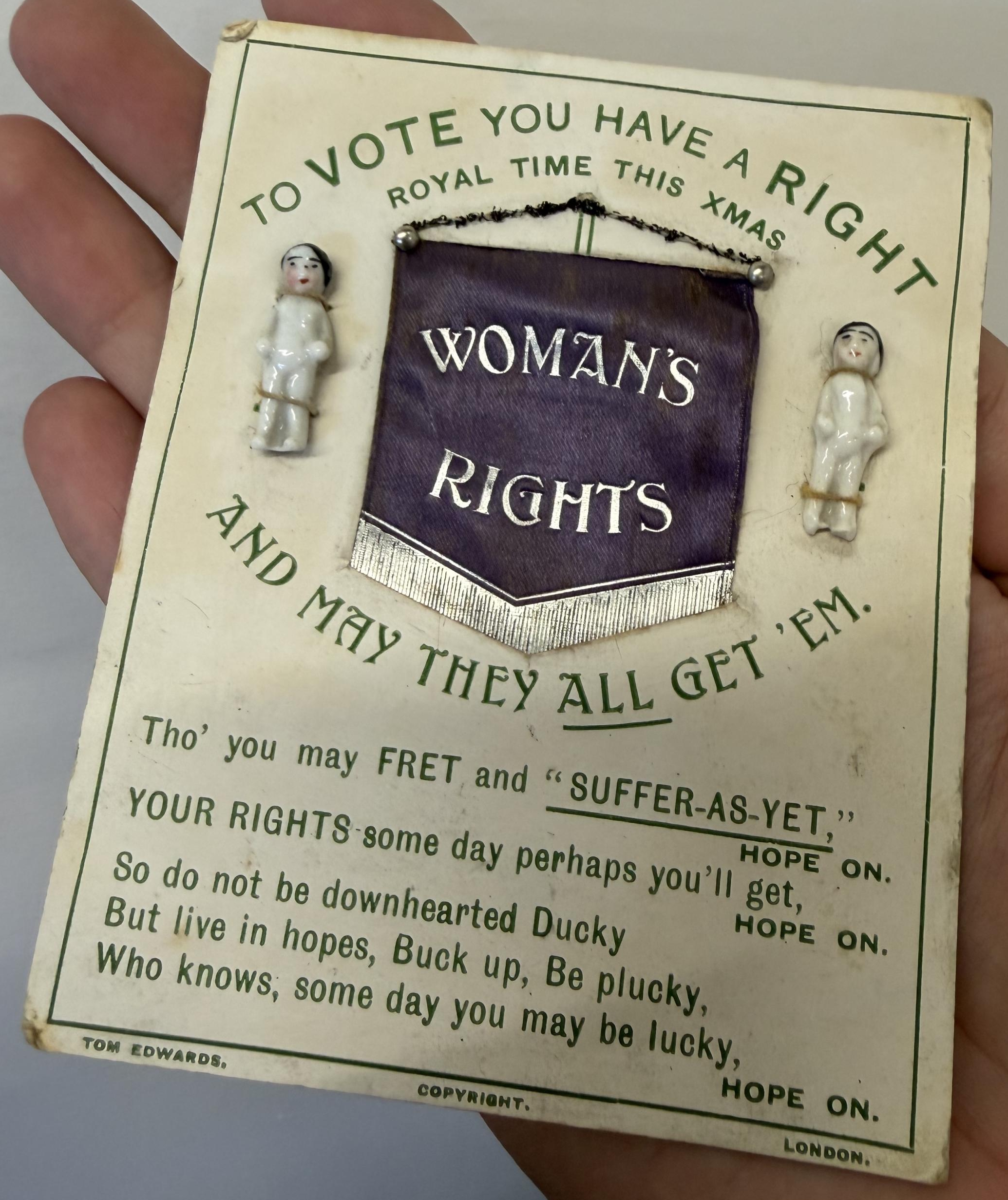
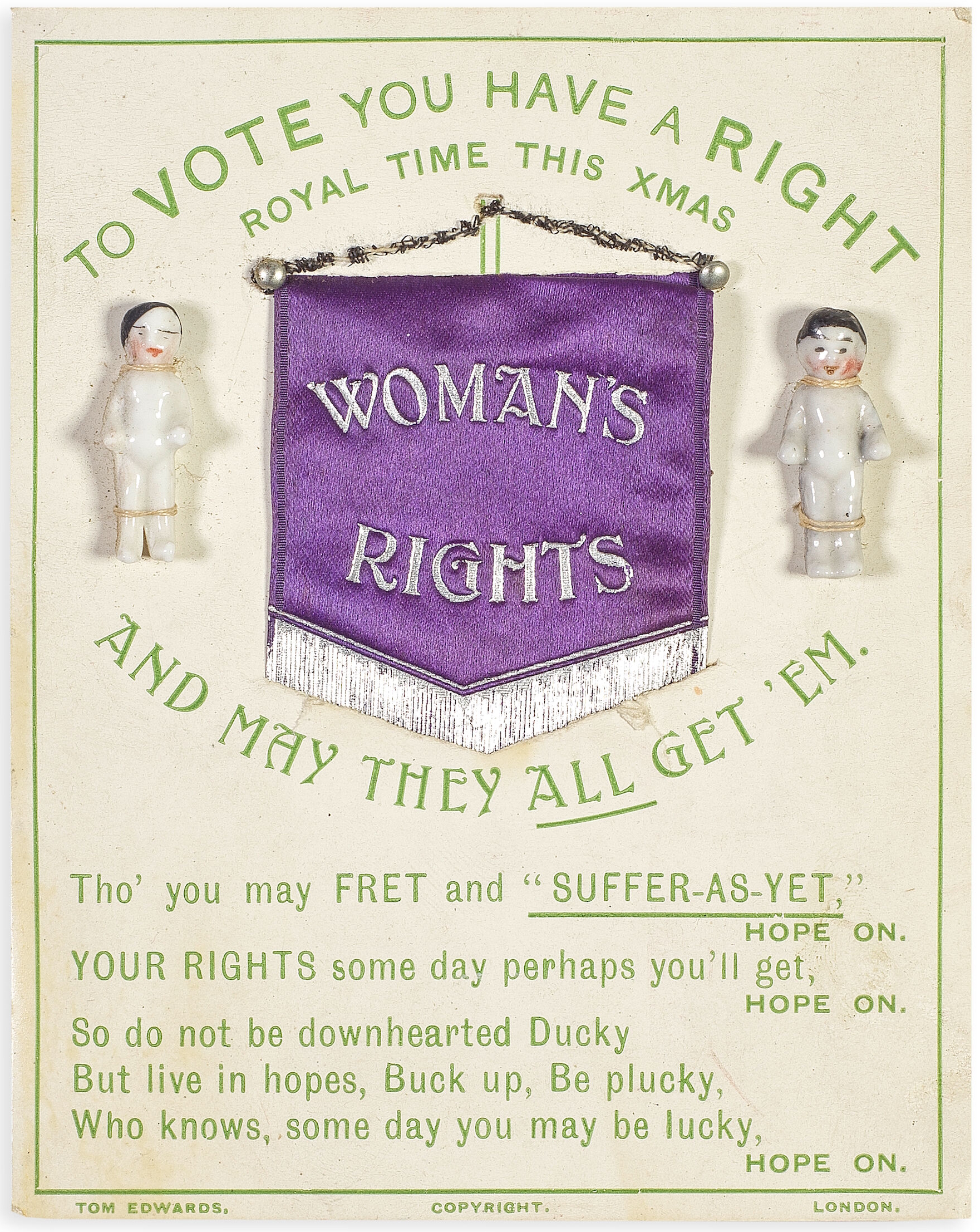
Matt Case, senior antiques specialist at WeBuyVintage, said finding an original example was “incredibly exciting”.
He said: “These weren’t simply Christmas cards, they were pieces of political campaigning that helped fund one of the most significant social movements in British history.
“Because they were intended to be seasonal and disposable, very few have survived, especially in such good condition.”
Christmas was a meaningful time for the Women’s Social and Political Union (WSPU), the women-only militant activist organization created in 1906 by Emmeline Pankhurst with the goal of employing civil disobedience, direct action, confrontation with politicians and police, even arson, sabotage and property damage in their campaign for women’s suffrage. Founded in Manchester on October 10th, they organized a march to London on December 13th, to protest Parliament’s refusal to pass legislation enfranchising women. Several WSPU members were arrested in the protest. They refused to pay fines and were sentenced to two weeks in jail. Members of the WSPU protested again on December 20th, and another five were arrested. Twenty-one WSPU suffragists in total spent that Christmas under lock and key at Holloway Prison.
That did not stop the others from continuing their work, however. When the House adjourned to celebrate the holidays with their family, the WSPU were at the door giving MPs envelopes inscribed: “What a woman really wants for a Christmas box”. Inside the envelope was a slip of paper with “A vote” written on it.
When the arrested Suffragettes were released in January, a special Christmas dinner was arranged and when the next group was released a public welcome breakfast was held at Anderton’s Hotel in London. That became a yearly tradition.
The WSPU became adept at what we today would call branding. They designed a flag in purple, white and green in 1908, and used those colors in all of their campaign materials, publications, event tickets and fundraising merchandise, Christmas cards among them.
The 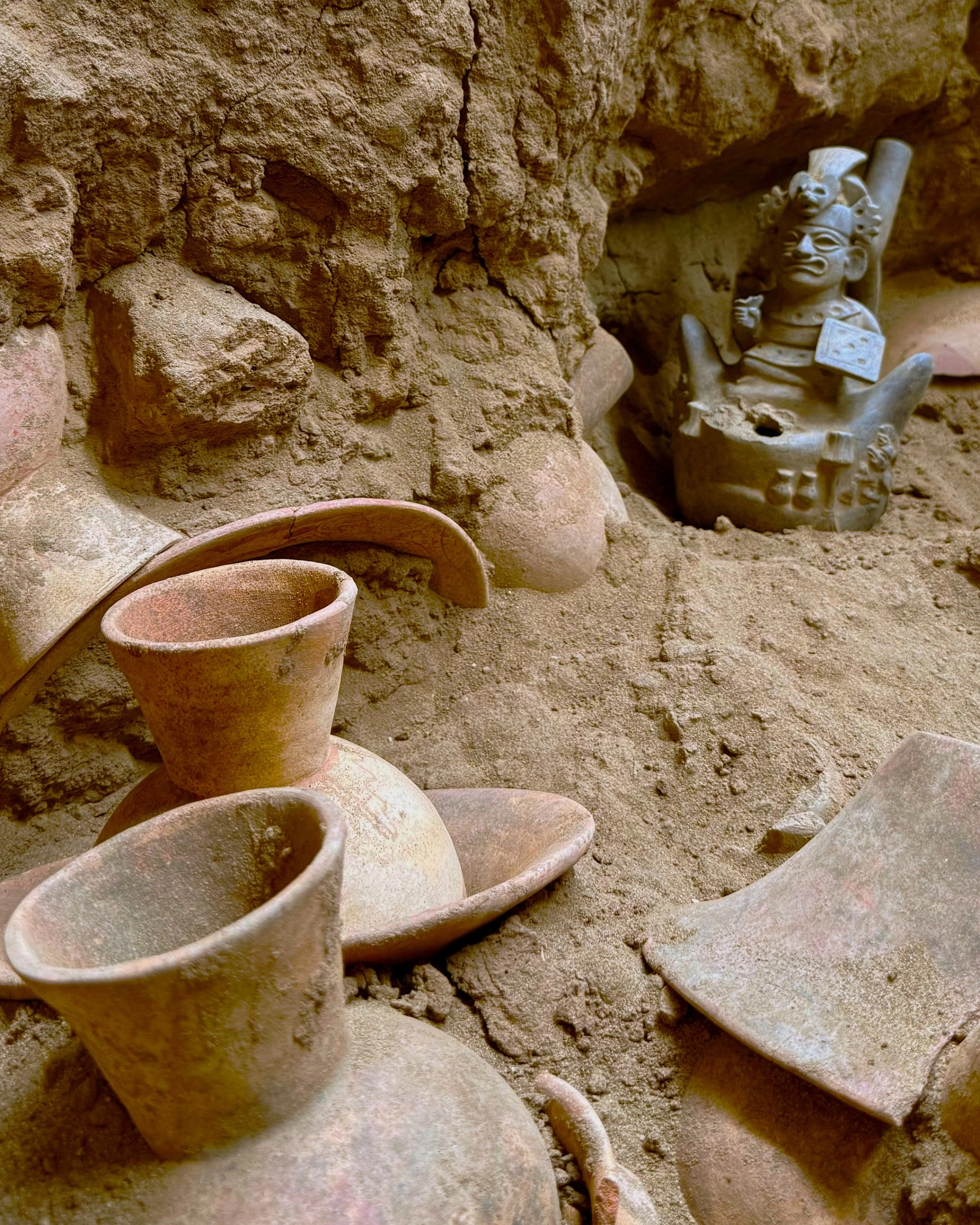
Huaca de la Luna (Temple of the Moon) was one of two religious complexes in the ancient capital of the Moche culture, today known as Cerro Blanco, built less than three miles from the modern-day city of Trujillo and from the Pacific Coast. From the 3rd to the 9th century, Moche architects built platforms out of adobe blocks (huacas), then ritually filled them in, encased them in adobe blocks and built platforms on top of them. At least six phases of construction have been identified in the capital, using millions of adobe blocks. The increasingly enormous platforms were connected to each other by an intricate network of ramps and plazas, and smaller platforms were built next to the major huacas.
The team unearthed the tomb inside the Uhle Platform at the Huacas de Moche archaeological site in northern Peru. The Uhle Platform is a mausoleum, attached to the Huaca de la Luna temple, with a patio archaeologists call the Patio of the Serpents. Of the more than 80 burials previously uncovered there, the tomb represents the only known child to receive this sort of lavish burial.
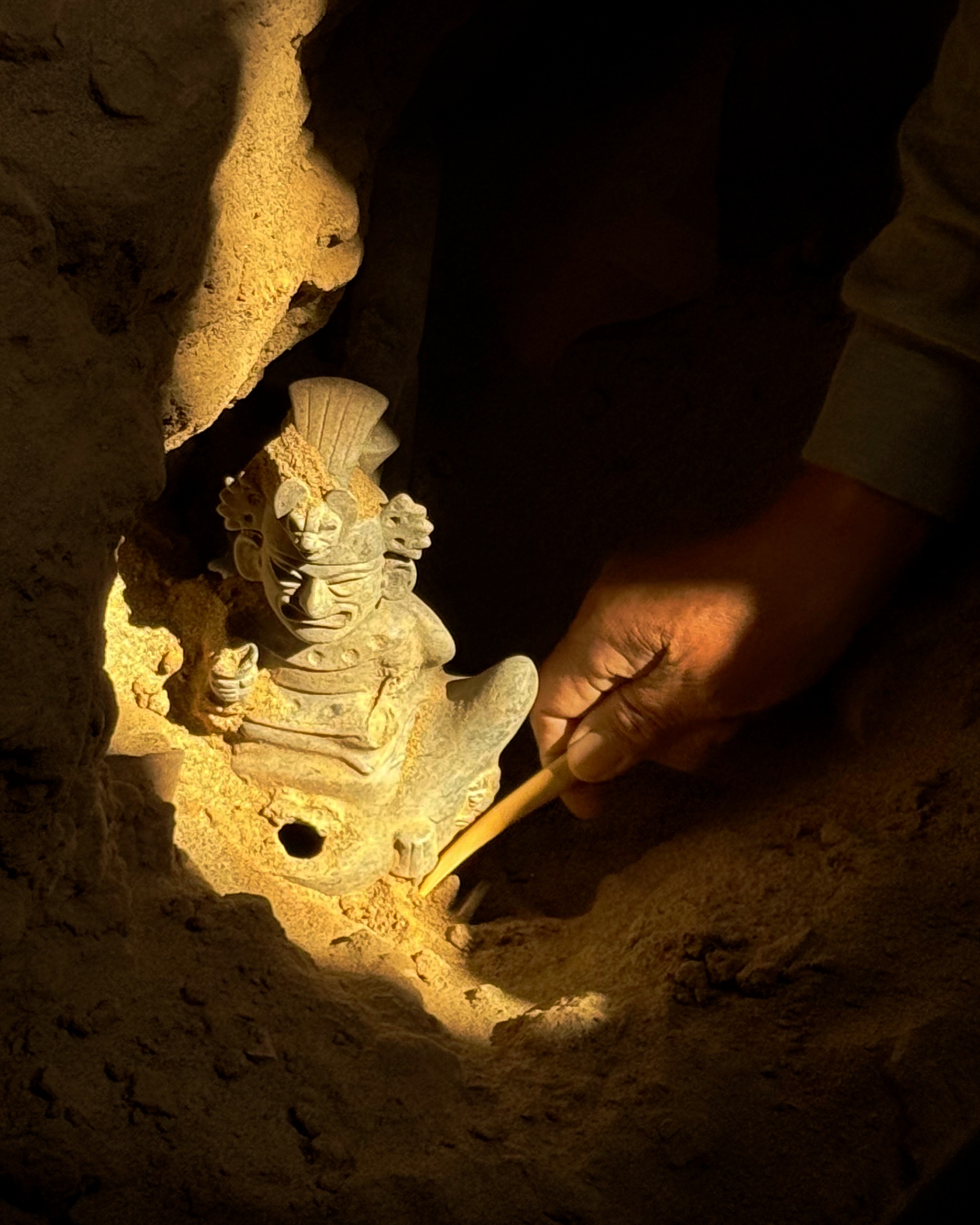
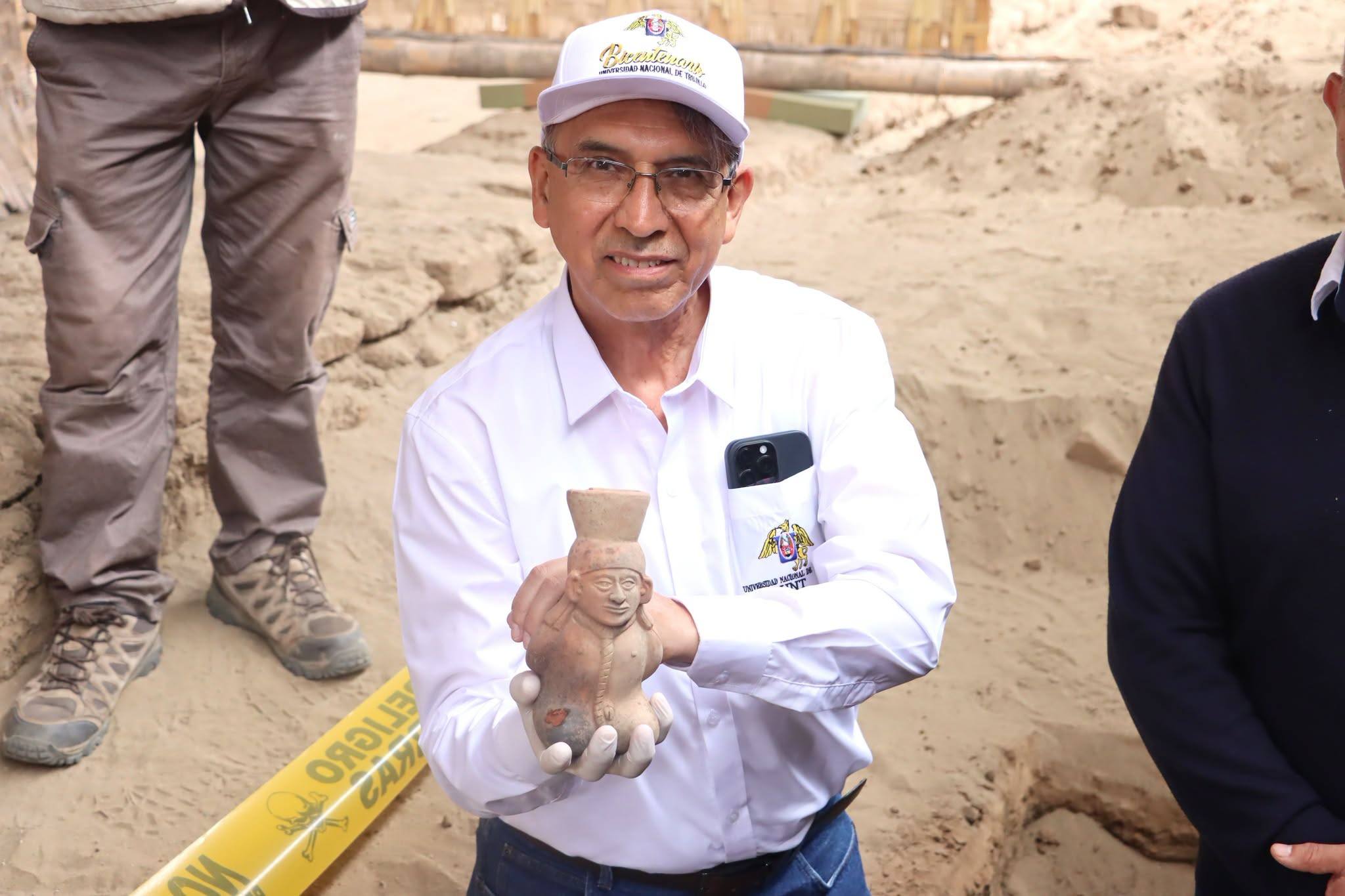
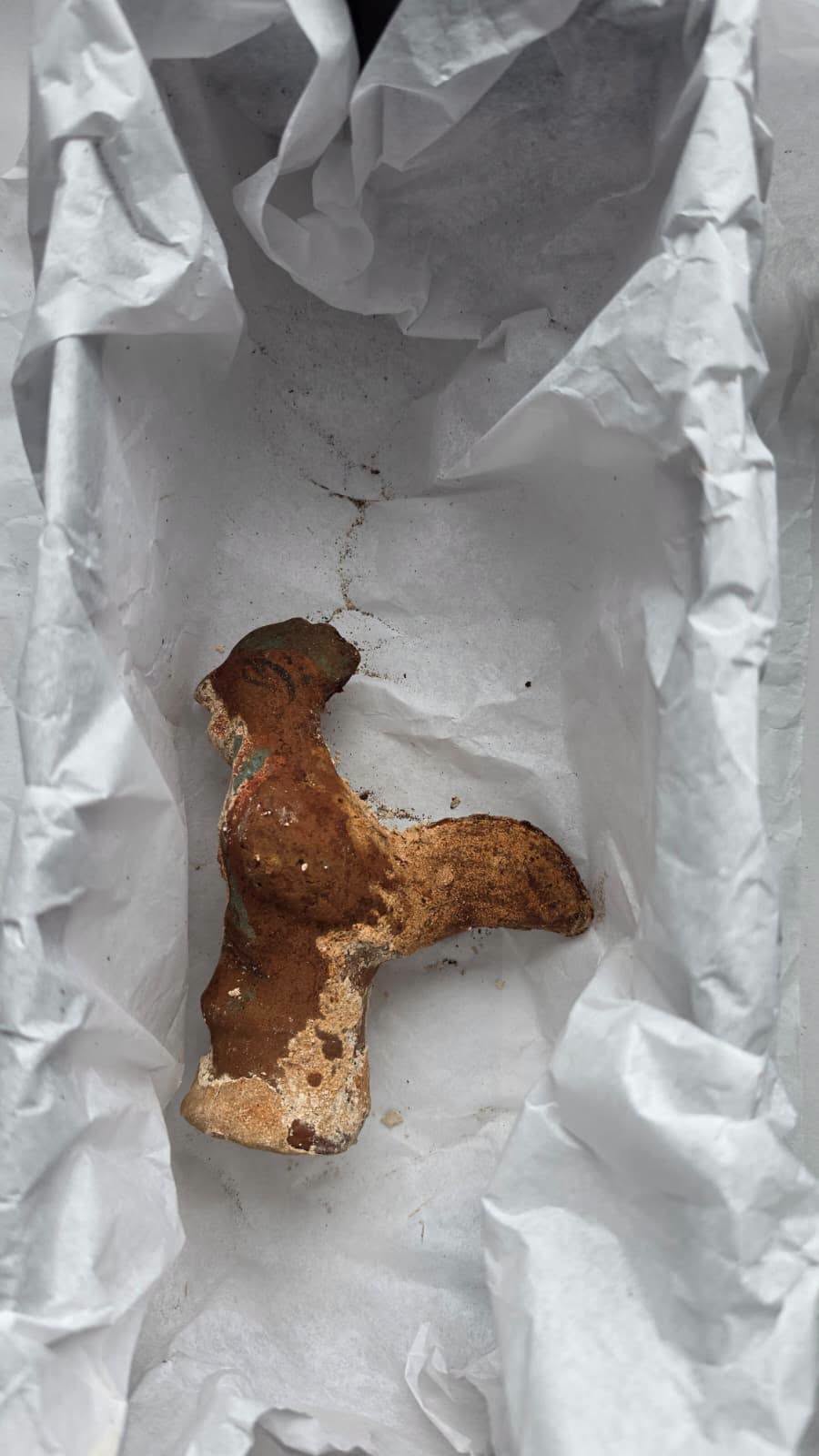
Another rare find is a pair of the ceramic prisoners of war.
The two prisoner sculptures are associated with the “ritual of combat,” a common theme in Moche art. In this sort of imagery, two warriors fight each other, and the loser is stripped of his clothes and weapons, tied around the neck with a rope and offered as a human sacrifice, Rengifo-Chunga said. The prisoners depicted on these two vessels were the losing warriors, and their presence in the burial of a child is rare.
“One would normally presume that these kinds of vessels represent something related to the deceased’s life,” Rengifo-Chunga said. For example, a vessel like this might signify that the individual took part in combat.
But a toddler couldn’t have taken part in such an activity. In general, archaeologists wouldn’t expect to see elements of an adult ritual in the burial of a child. “This expands our knowledge on Moche funerary practices,” he added.
The artifacts recovered from the tomb have been transferred to the laboratories of the Santiago Uceda Castillo Museum in Peru. There they will undergo scientific analysis and study and will be conserved for eventual display.
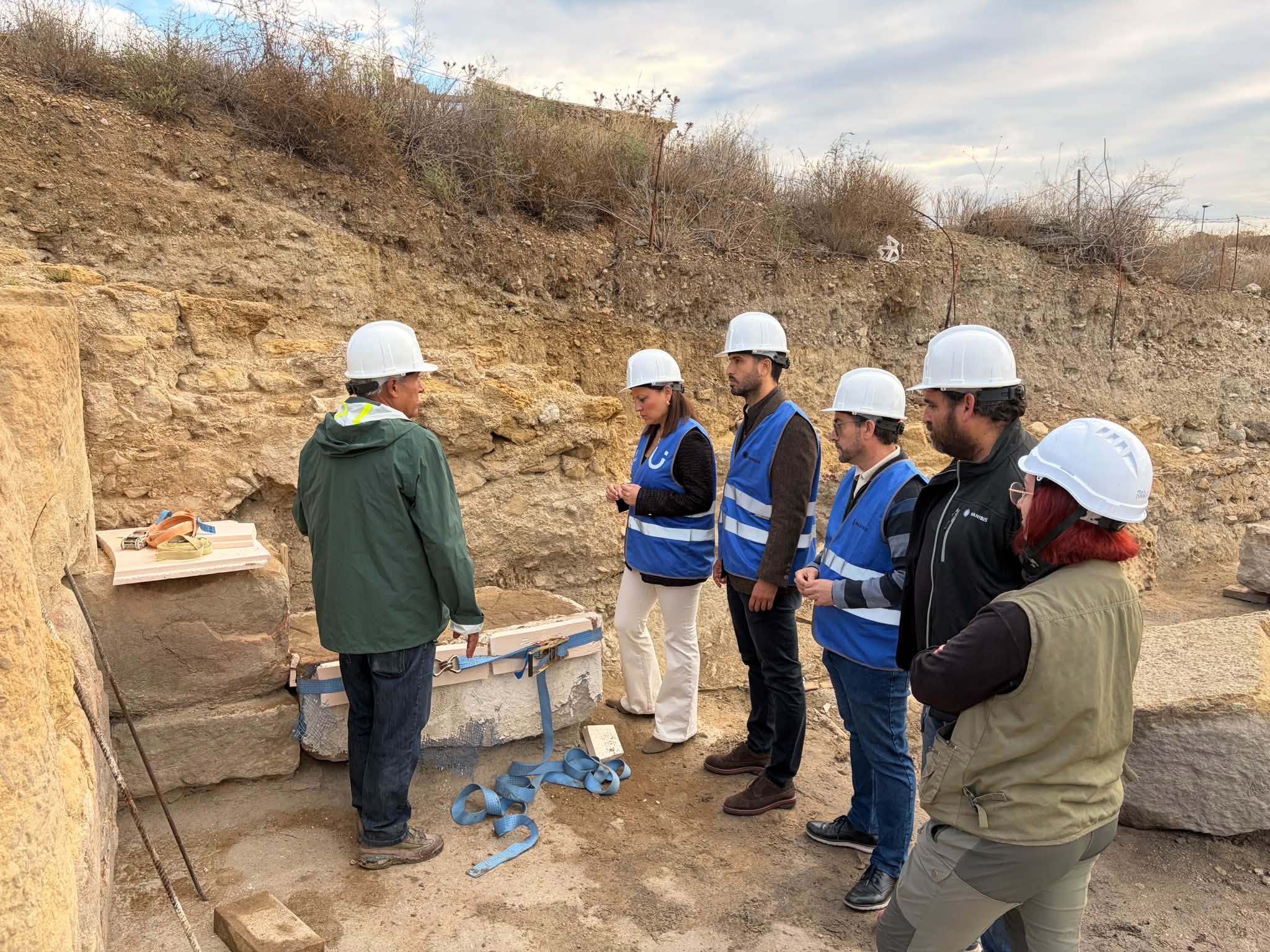
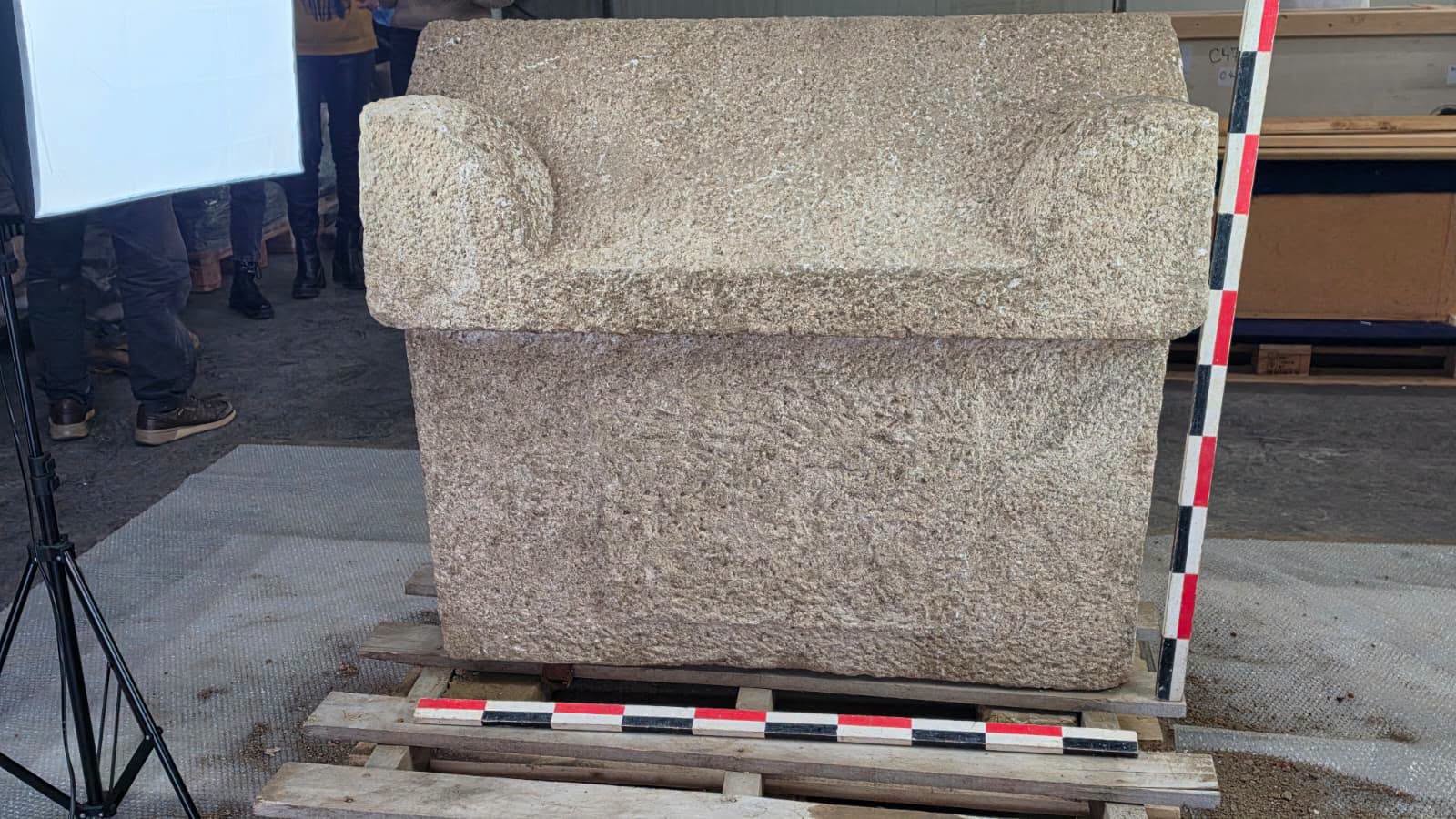
The ashlar block almost 1.2 meters (4 feet) long was discovered in the northern part of the Roman thermal complex. It was inside a wall that was not its original location, reused as building material in antiquity. Before the discovery, archaeologists thought that wall was part of the northern enclosure of the baths, but the reused stone means that it was built in a larger phase of construction.
There are two lines of text framed by decorative moldings with lettering in two sizes: the large 23 cm text on the top line and about 13 cm (5 inches) high on the line below. Text of these dimensions suggest the inscription was originally part of a large architectural feature, meant to be read from a distance.
Preliminary analysis has identified the end of a Roman name and writing characteristics that point to a chronology situated between the end of the 1st century BC and the 1st century AD, possibly during the period of Augustus.
Experts suggest that it may have been a commemorative inscription related to a monumental architectural work, although its exact function still needs to be determined.
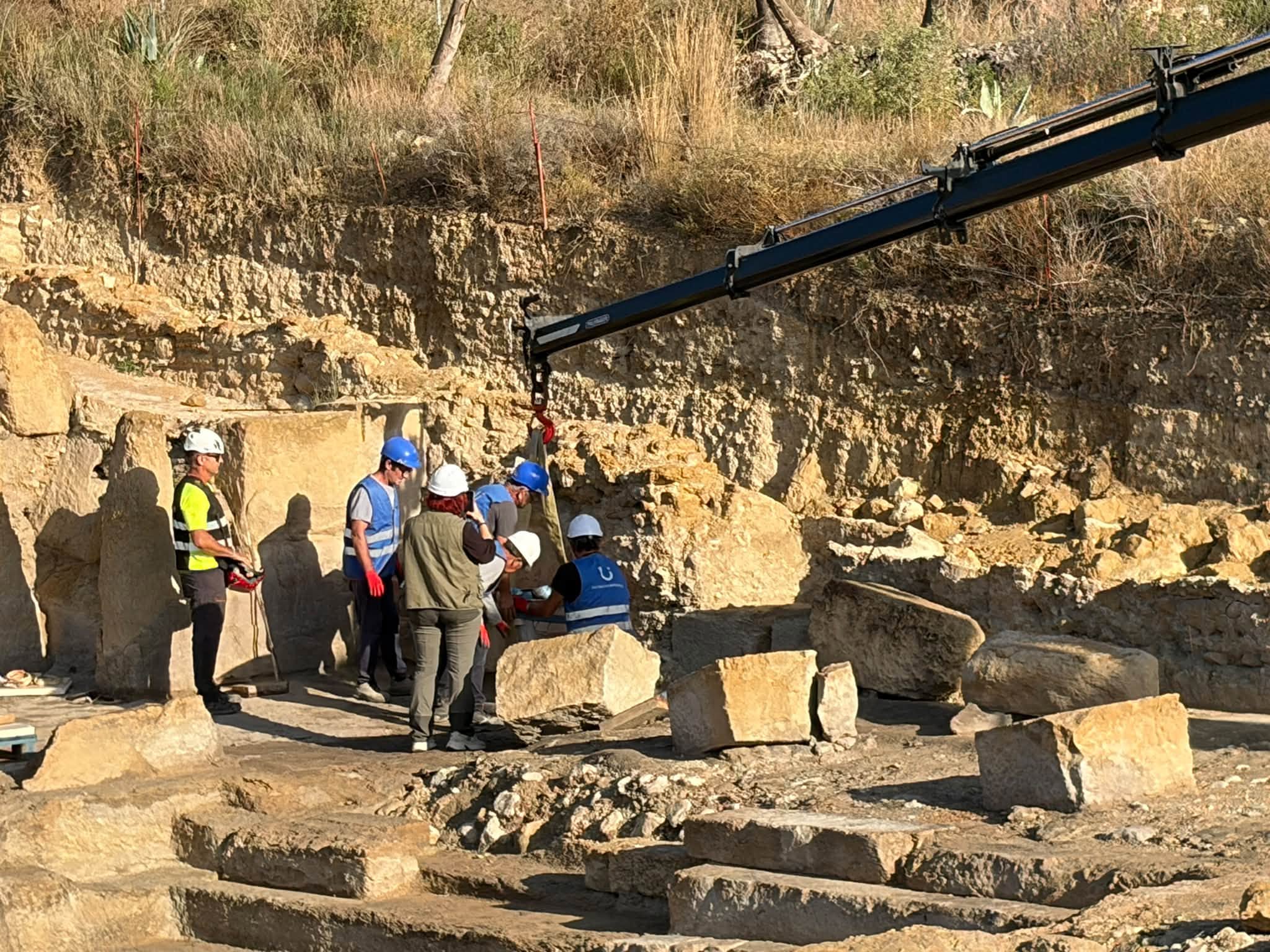
The ashlar has been raised and transferred to the Archaeological Museum of Murcia, where it will be studied, documented, and conserved.
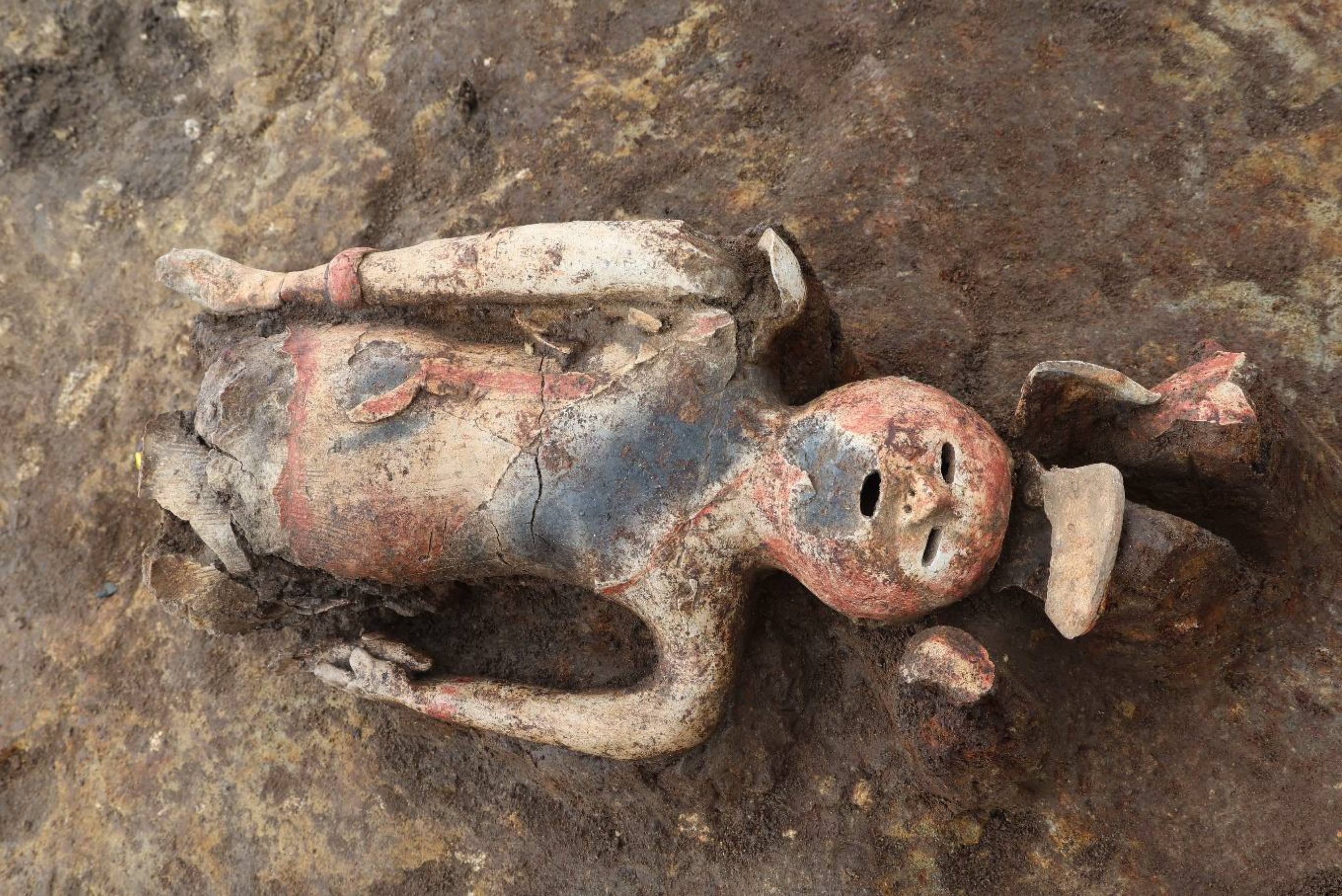
An excavation of a late 5th century burial mound in central Japan has uncovered a clay figurine representing a female shaman (miko). The figurative clay sculpture, a haniwa, is well-preserved, with its features still finely detailed and extensive surviving red paint.
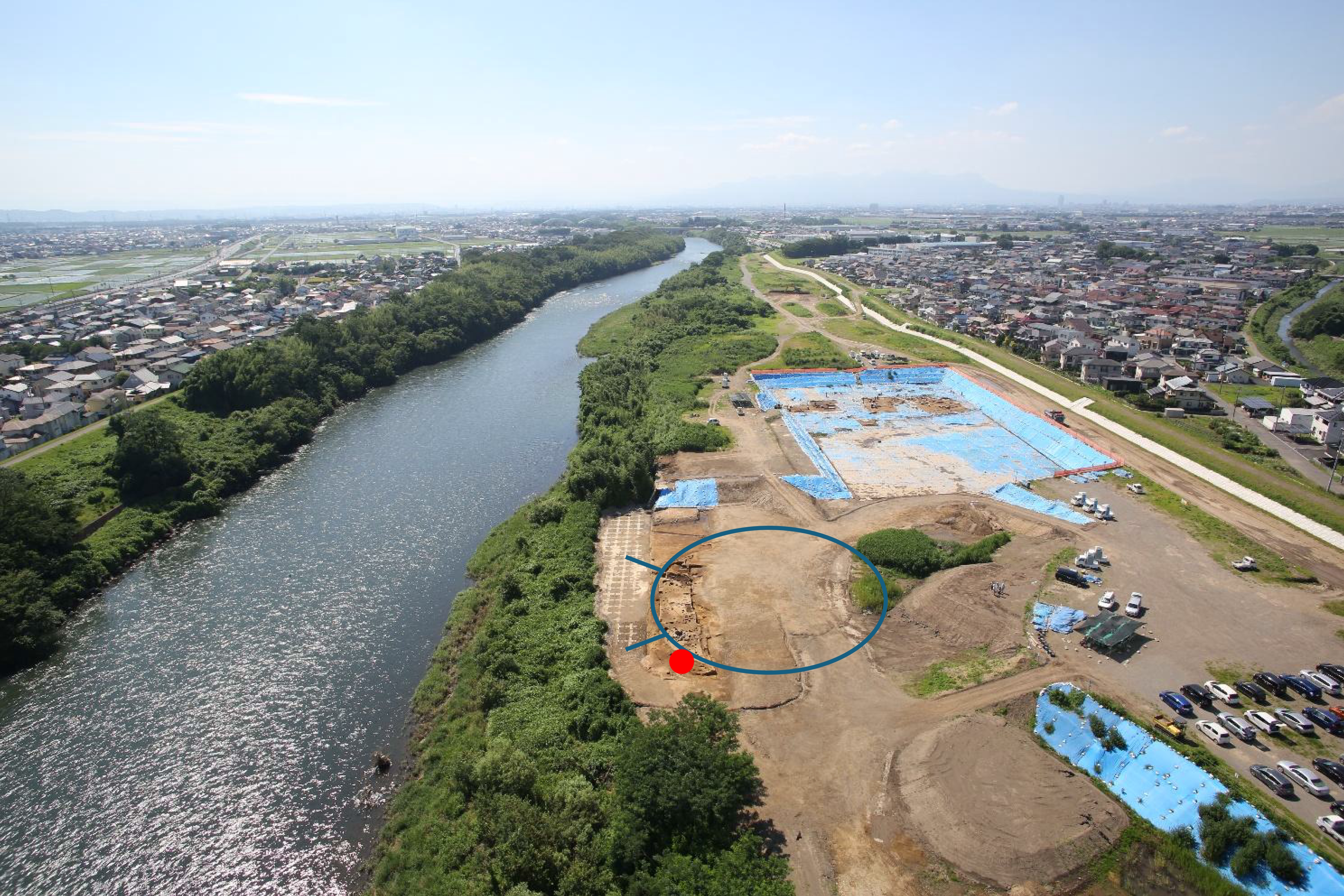
Excavations at the Nishikaminomiya Site began in 2020 as part of a Tone River improvement project. Since then 11 burial mounds from the Kofun period have been discovered. The largest mound is Tumulus No. 1 at approximately 160 feet long. It is surrounded by a moat is 60 feet wide. The haniwa was discovered in this year’s excavation of the southern end of Tumulus No. 1 adjacent to the Tone River. It had rolled down a protruding section of the mound into the moat.
Haniwa were made of unglazed earthenware and placed on grave mounds as protective markers. The figural haniwa were typically sculpted on top of a simple cylinder that had been the earliest form of the statue in the 3rd century. The cylinder was buried leaving the figure above ground to mark the burial sites.
The newly-discovered example is only a torso and head (the buried base has broken off) and is about 16 inches high. It depicts a woman wearing a sash with her hair styled in the Kofun Shimada (topknot) identifying her as a shaman. The top of the head is made of clay cord, conveying with its texture the tied hair. The face, sash lower section of the garment and bracelet on her right wrist are painted red. She holds a rod-shaped object in her left hand that was used in religious rituals. Made in the second half of the 5th century, it is one the earliest anthropomorphic haniwa to have been found in the Gunwa Prefecture.
Miko were popular subjects for haniwa. In the Kofun period, miko performed religious rituals at Shinto shrines and temples, falling into ecstatic trances to relay the words of the gods to worshipers. Historians believe miko held significant religious and political authority in Kofun society, and their visibility on the tombs of the elite confirms they figures of importance and authority.
Excavation is now complete. The haniwa will go on display next week at the Gunma Prefectural Museum of History.
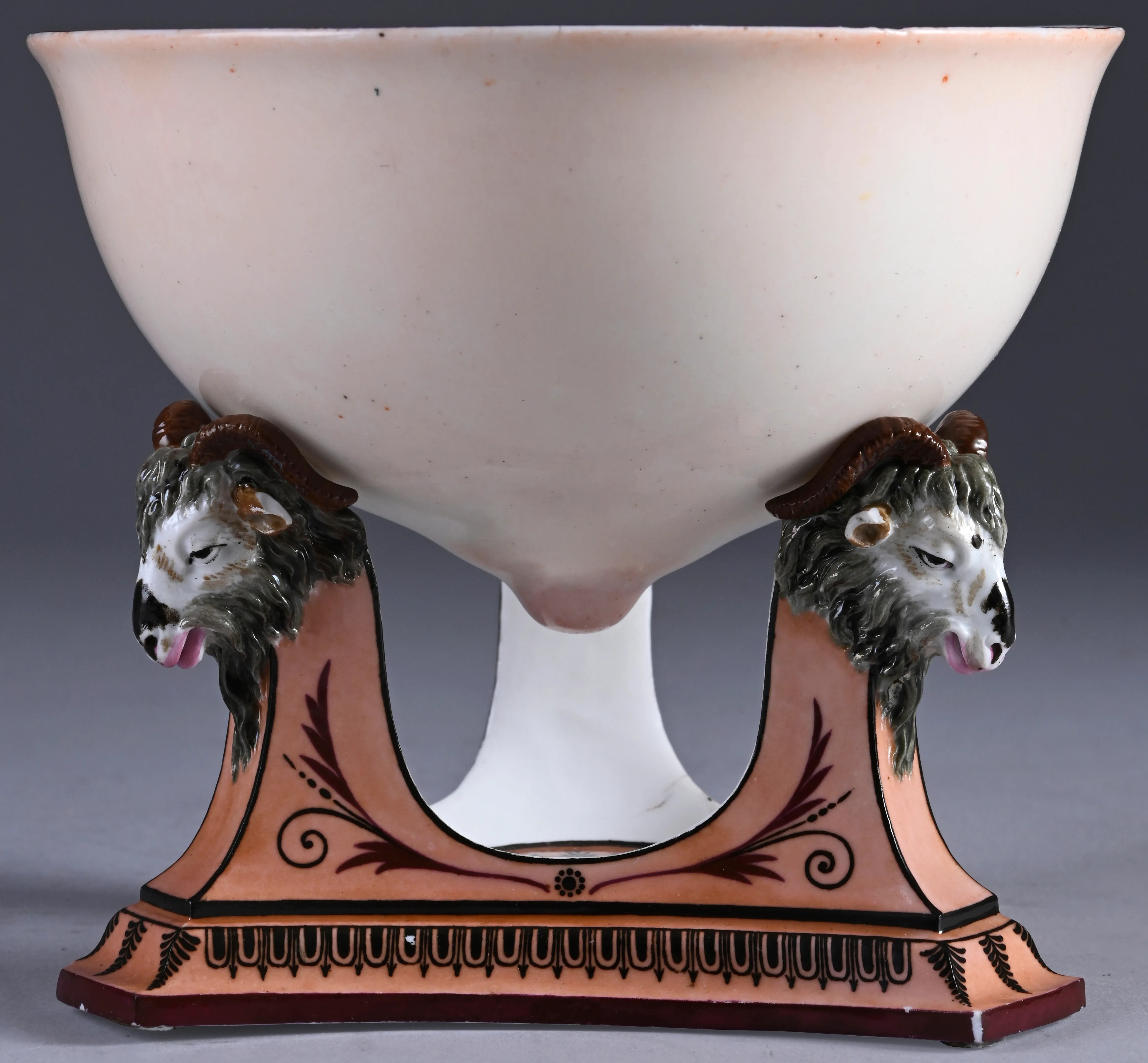
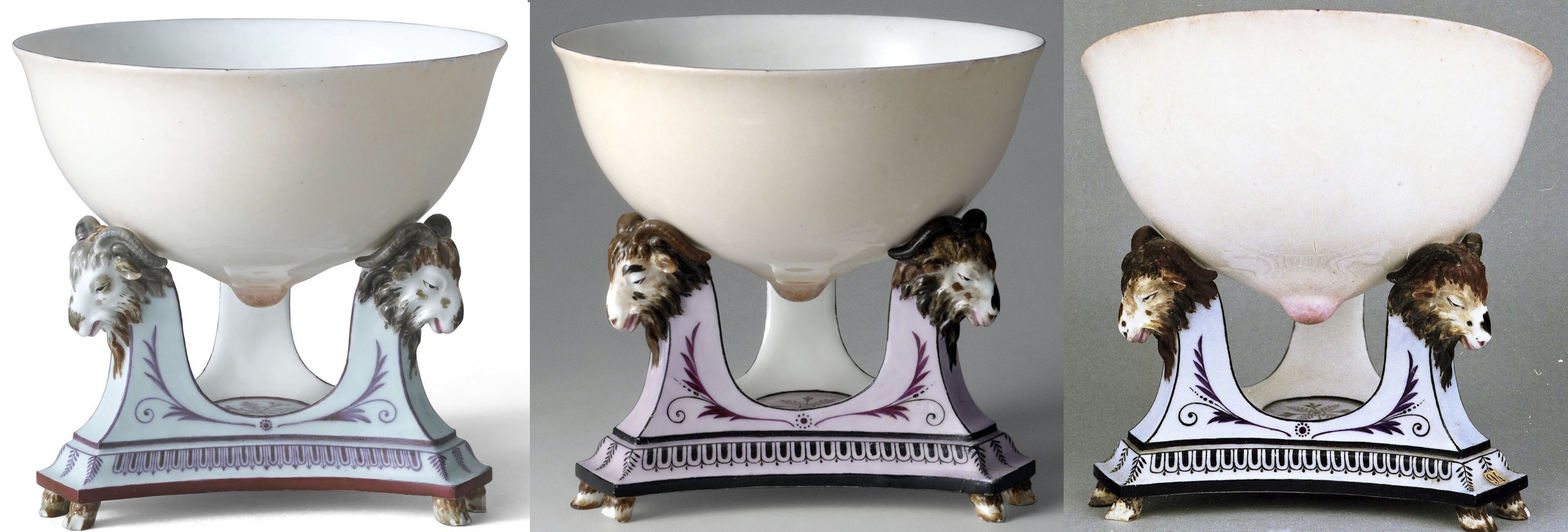
King Louis XVI commissioned the Sèvres Porcelain Manufactory to make an 108-piece service for the Queen to serve the fresh products of her dairy in royal finery while ensconced in her fake bucolic fantasy. Only 65 pieces were ever produced, delivered to Rambouillet in 1787 and 1788. The four breast-shaped bowls consist of a creamy pink-white bowl shaped like a breast, completely with a realistic colored nipple, on a tripod of goat heads. Goats were a symbol of fertility and apparently Marie Antoinette’s favorite animal among the stock at her dairy. The base of the tripod is decorated with black and purple with foliate scrolls and egg-and-dart friezes against an ochre-orange background.
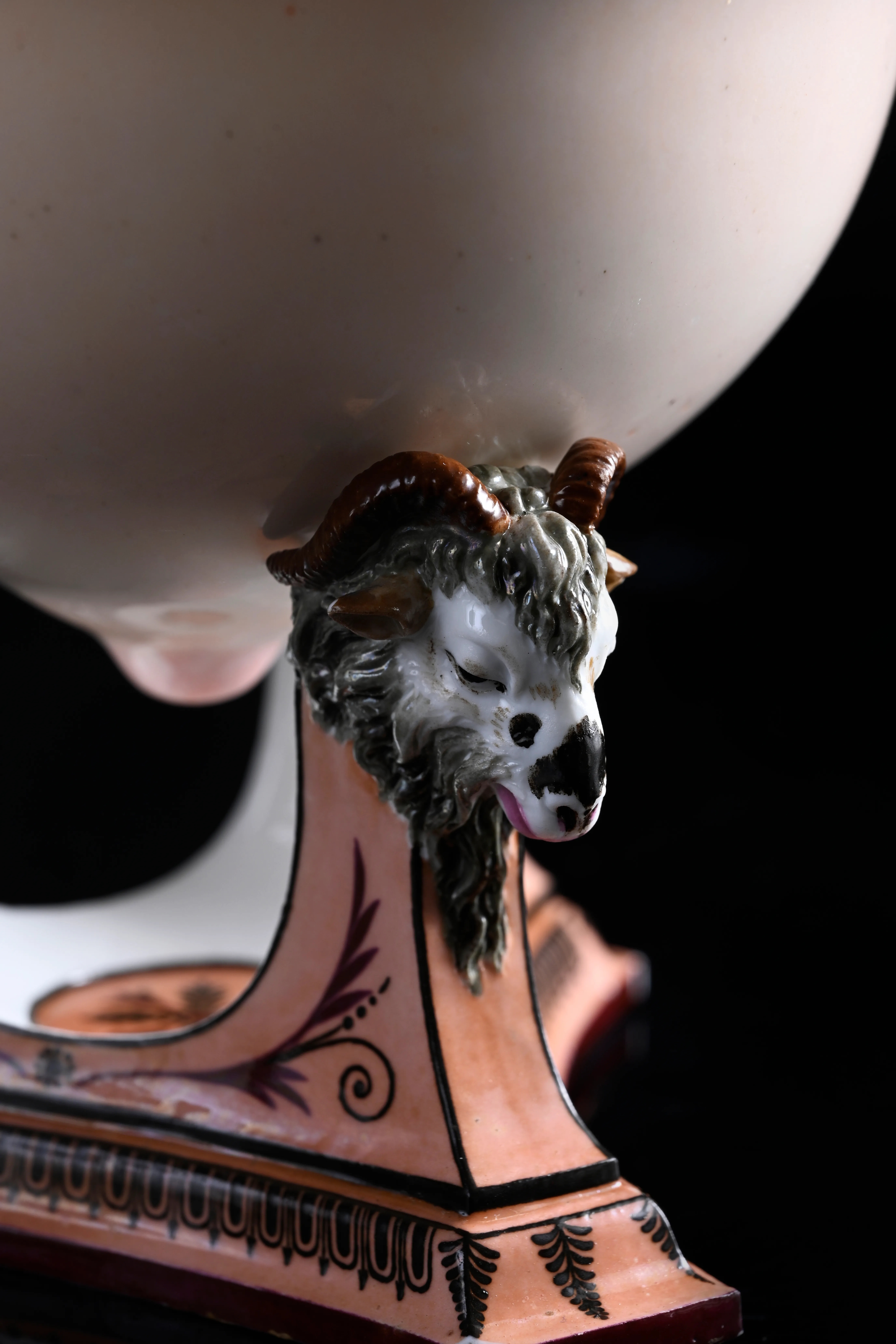
Three of the bowls are now in public collections. Two are held at the National Museum of Ceramics in Sèvres, one with a pale aqua background with purple decoration on the tripod and one with a lavender background with purple and black decoration. Another with a light blue background and black decoration, is in the collection of the Duca di Martina Museum in Naples. The orange background of the recently found bowl is markedly different from the pastels of its three siblings.
According to a handwritten document found with the breast bowl, it went from the Rambouillet dairy to Marie Josephe Rose, Marquise de Chanaleilles, (1784-1867), who was the sister of Marie Louise Zélie, Comtesse de Bouillé, one of the ladies-in-waiting to the Duchesse of Berry. The Marquise de Chanaleilles gave it to her grandson, General Ferdinand de Salles (1831-1925). He sold it to the Galerie Meyer in Paris.
Marie Antoinette’s rediscovered breast bowl will go up for auction at Hôtel Drouot on November 26th. The pre-sale estimate is €1,000,000–€2,000,000. Any foreign buyer will almost certainly be subject to an export bar, so I imagine there will be an effort to secure it for a French institution.

The Blyth Hoard was discovered in 2022 just seven miles from the Peebles Hoard, the most diverse agglomeration of Bronze Age artifacts in Europe. Amazingly enough, the same metal detectorist, Mariusz Stępień, discovered both hoards, and while he is apparently a magical Bronze Age hoard magnet, he is also so archaeologically conscientious that as soon as he found a socketed axe, he stopped digging and reported it to the Treasure Trove Unit.
The copper ingot is complete and is the first of its kind from Scotland. Ingots are more common in southern Britain, particularly on the south coast, but have never been found north of the Border. It is important evidence that raw material was being imported into Scotland 3000 years ago. People weren’t simply recycling existing objects – there was a supply of fresh metal into the area.
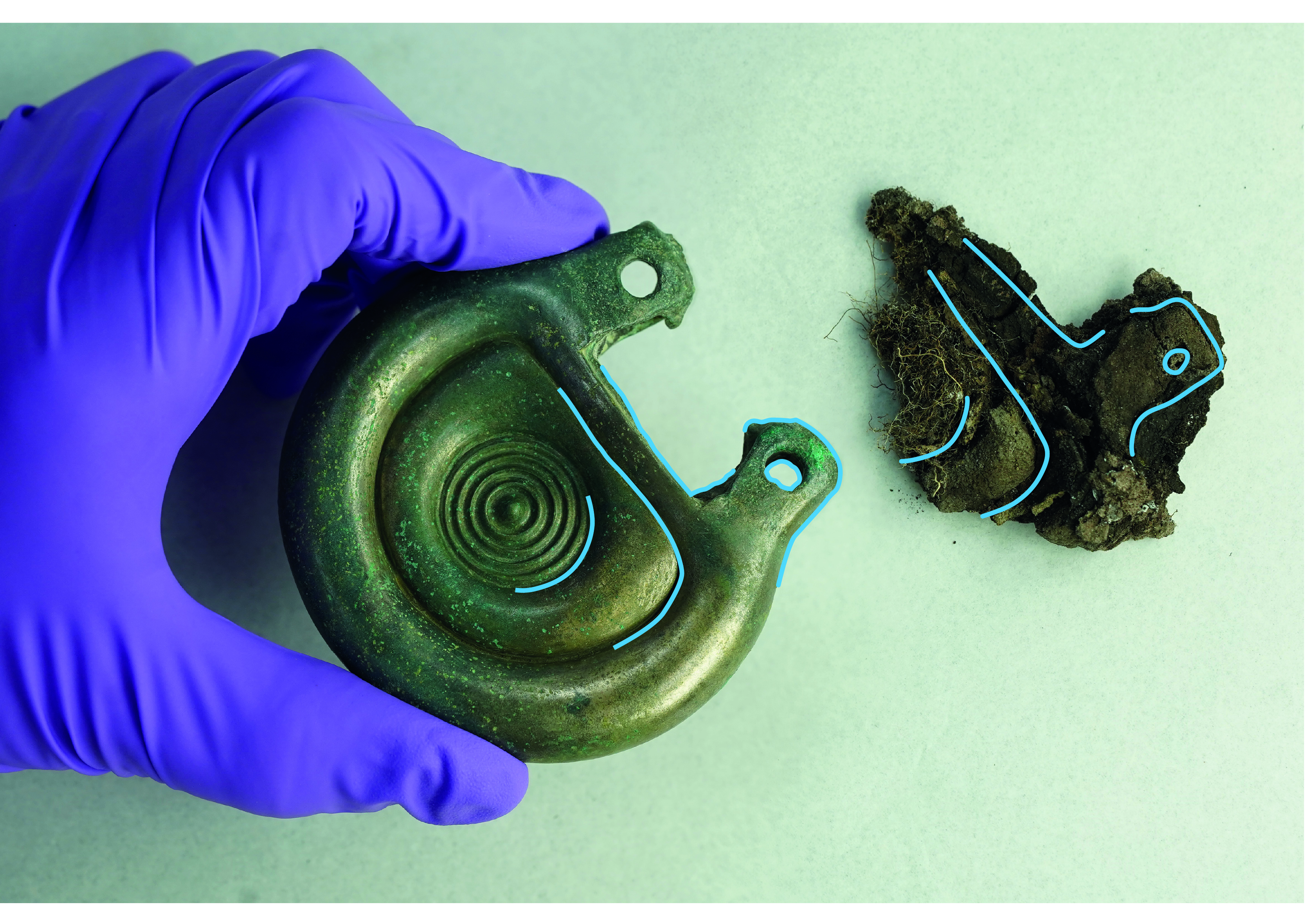
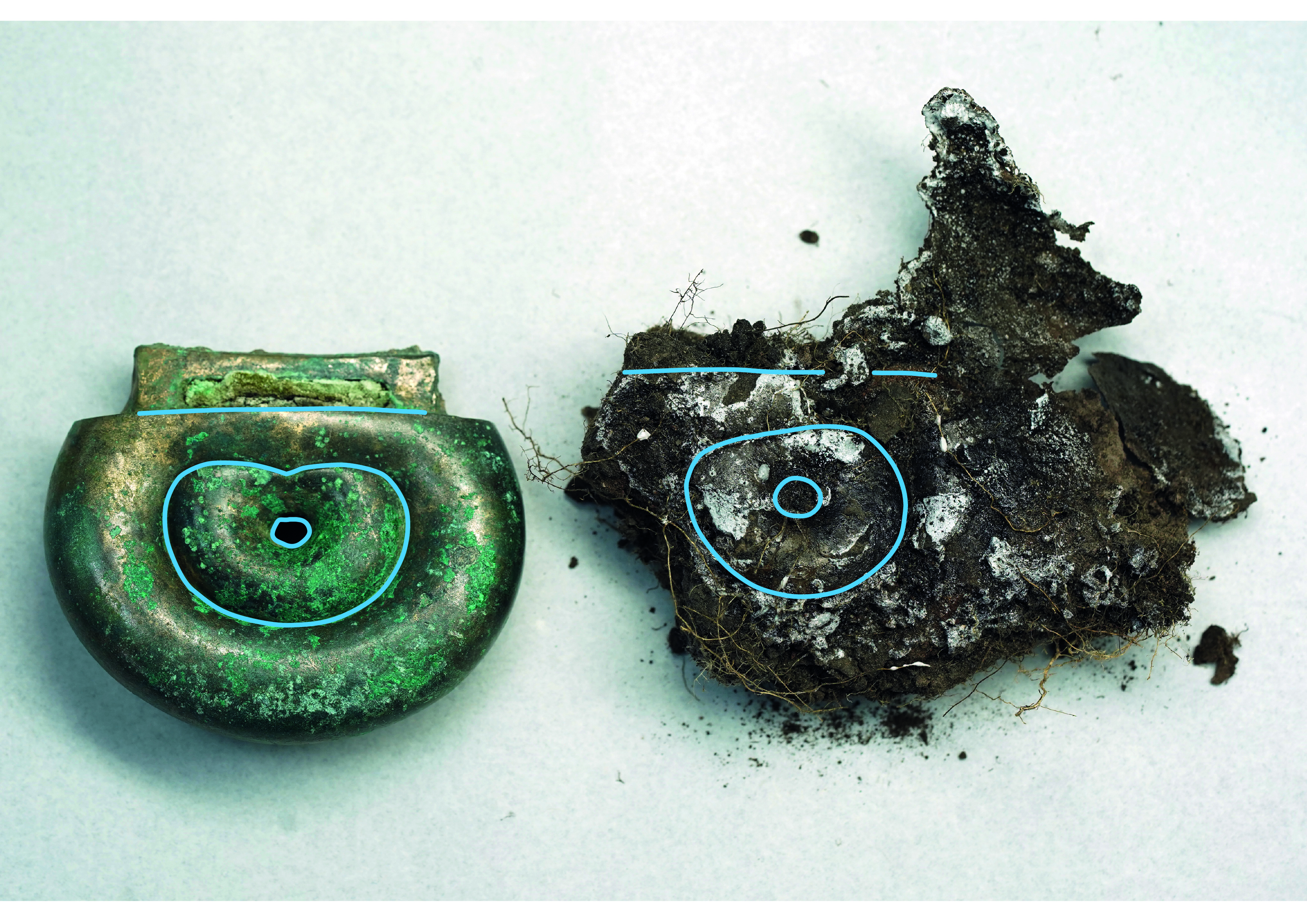
It is rare to find any moulds that link to specific objects from the Bronze Age. This makes the discovery at Blyth quite exceptional. Given the unique nature of the Peebles Hoard fittings, it is highly probable that whoever buried the Blyth Hoard may have been involved in making some, or all, of the Peebles Hoard fittings. This is especially striking given the presence of an ingot.
The survival of metalwork and the remains of manufacturing materials together is rare in Britain, and previously unknown in Scotland. The Blyth Hoard is an opportunity to examine some of the relationships between metal objects, production and deposition. The socketed axeheads and ingot may represent the raw material for casting into new objects, such as the Peebles-style fittings. The person (or people) who buried the Blyth Hoard may have been a metalworker, skilled at making moulds and casting objects.