
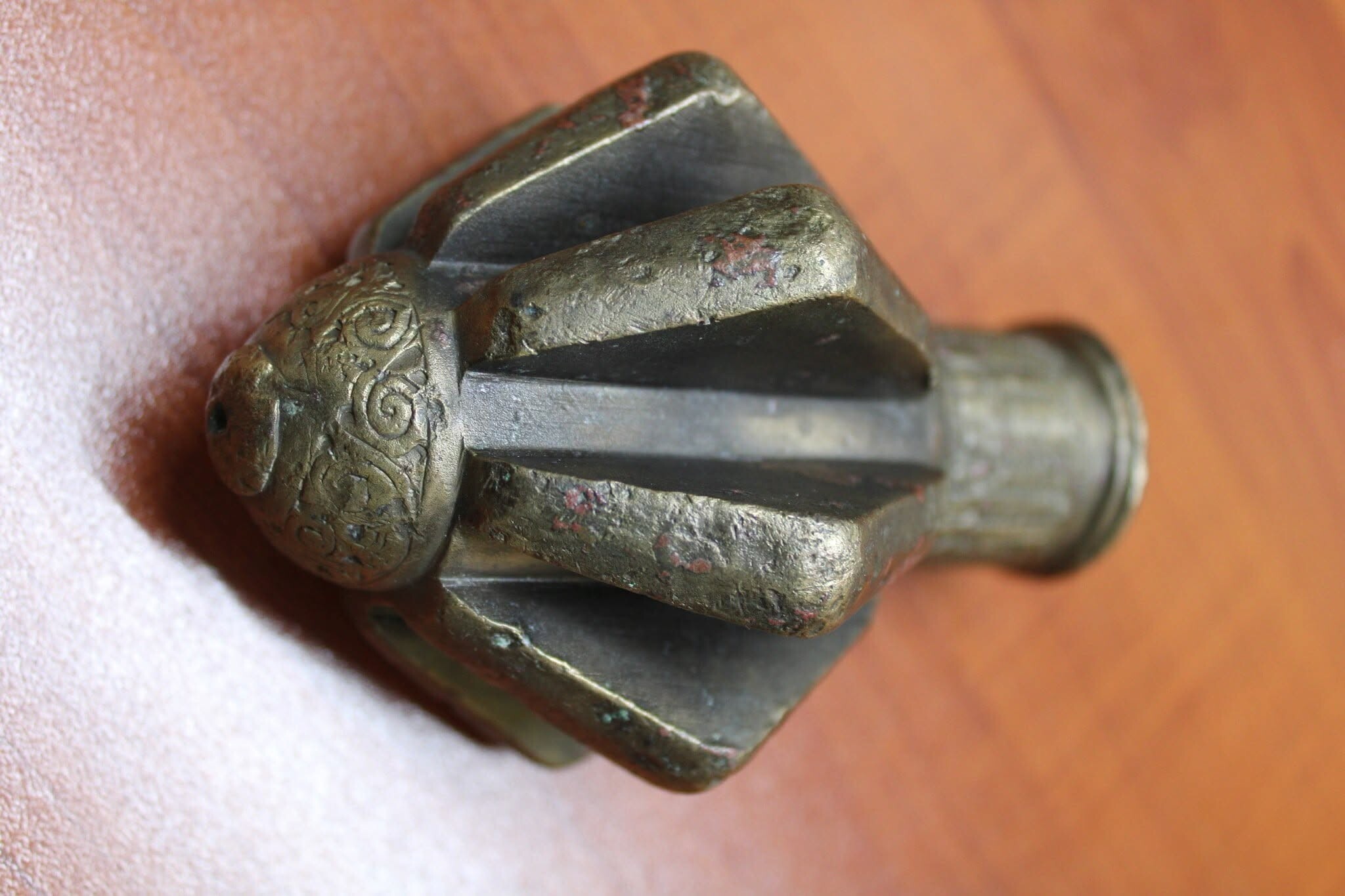
The Kapan area was part of the territories of the princely Siunia dynasty. There was a small settlement at the site of what would become Kapan by the 5th century, and a fortress was built nearby in the 4th century. Kapan rose to major prominence in the 10th century when it became the capital of the self-style Kingdom of Kapan. It was a vassal of the Bagratid dynasty rulers of Greater Armenia, and survived a little more than 100 years, from 987 to 1170.
According to Stepanos Orbelian, a medieval Armenian historian, bishop, and a prominent member of the noble Orbelian dynasty, the capital of the Kingdom of Syunik was destroyed in 1126 under the command of Amir Harun as a result of Seljuk invasions, but the kingdom, thanks to the already impregnable fortress of Baghaberd, survived until 1170, being the last independent Armenian kingdom of Greater Armenia.
The first systematic archaeological investigations at the site of Old Kapan an environs began only in 2024. They found evidence of powerful fortifications, double-layered walls and a larger defensive tower near the entrance to the fortress.
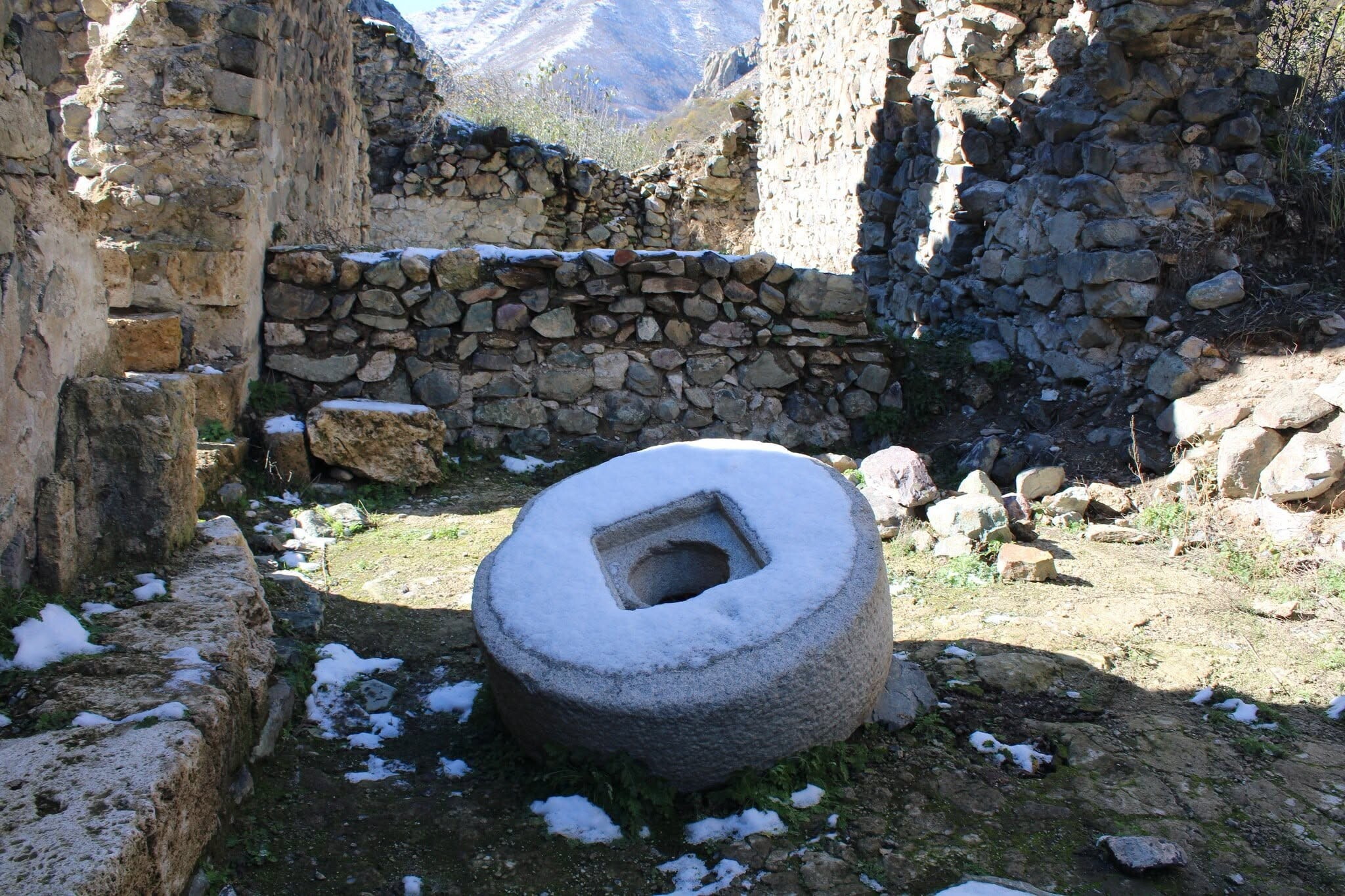
The scepter has been transferred to the Kapan Geological Museum for conservation and display.
* This article was originally published here

No comments:
Post a Comment