दिग्गज अभिनेता नाना पाटेकर का गुरुवार सुबह निधन हो गया। रिपोर्ट के मुताबिक उन्हें गोवा स्थित अपने घर पर हार्ट अटैक आया था। उन्हें बचाने के लिए करीब 45 मिनट तक CPR दी गई, लेकिन उन्हें बचाया नहीं जा सका। डॉ. शेखर सालकर के मुताबिक नाना पाटेकर का सुबह 5:20 बजे निधन हुआ। उनके निधन के बाद मेडिको-लीगल केस (MLC) दर्ज किया गया है और पोस्टमॉर्टम कराया जाएगा। ‘परिंदा’ में विलेन बने, 3 नेशनल अवॉर्ड जीता 1989 की फिल्म ‘परिंदा’ में नाना पाटेकर ने अन्ना का किरदार निभाया, जिसके लिए उन्हें बेस्ट सपोर्टिंग एक्टर का नेशनल फिल्म अवॉर्ड मिला। 1994 की ‘क्रांतिवीर’ के लिए उन्हें बेस्ट एक्टर का नेशनल अवॉर्ड मिला। 1996 की ‘अग्निसाक्षी’ के लिए भी उन्हें बेस्ट सपोर्टिंग एक्टर का नेशनल अवॉर्ड मिला। इस तरह उन्हें करियर में 3 नेशनल फिल्म अवॉर्ड मिले। भारतीय सिनेमा में योगदान के लिए नाना पाटेकर को 2013 में पद्मश्री से सम्मानित किया गया। अपने लंबे फिल्मी करियर में उन्होंने हिंदी के साथ मराठी फिल्मों में भी काम किया। ‘वेलकम’ में उदय शेट्टी बनकर कॉमेडी में भी छाए 2007 में आई फिल्म ‘वेलकम’ में नाना पाटेकर ने गैंगस्टर उदय शेट्टी का किरदार निभाया। इस कॉमेडी रोल को काफी पसंद किया गया। वे इसके सीक्वल ‘वेलकम बैक’ में भी उदय शेट्टी के किरदार में नजर आए। फिल्म प्रहार के लिए मिलिट्री ट्रेनिंग ली थी नाना पाटेकर का भारतीय सेना से जुड़ाव सिर्फ फिल्मों तक सीमित नहीं रहा। फिल्म ‘प्रहार: द फाइनल अटैक’ की तैयारी के दौरान उन्होंने मराठा लाइट इन्फैंट्री के साथ कड़ी सैन्य ट्रेनिंग ली थी। इस ट्रेनिंग में उन्होंने जवानों के साथ रहकर सैन्य जीवन को करीब से समझा। 1999 के कारगिल युद्ध के दौरान भी नाना पाटेकर जवानों के साथ रहे। रिपोर्ट्स के मुताबिक, उन्होंने करीब दो हफ्ते से ज्यादा समय सैनिकों के बीच बिताया और अलग-अलग पोस्ट पर जाकर उनका हौसला बढ़ाया। बाद में उन्होंने बताया कि वे उस दौरान क्विक रिएक्शन टीम का हिस्सा भी रहे थे। नाना पाटेकर ने एक इंटरव्यू में कहा था कि देश के लिए हर व्यक्ति को अपनी तरफ से कुछ न कुछ करना चाहिए। सेना के जवानों के प्रति उनका सम्मान कई मौकों पर सामने आया है। 2016 में उन्होंने कहा था कि उनके लिए देश सबसे पहले है और जवान ही देश के असली हीरो हैं।
……………….. यह खबर भी पढ़ें… फिल्ममेकर सिंगीतम श्रीनिवास राव का निधन: 94 साल की उम्र में अपनी आखिरी फिल्म का निर्देशन किया था, कमल हासन-जूनियर NTR ने दी श्रद्धांजलि दिग्गज फिल्ममेकर सिंगीतम श्रीनिवास राव का 3 अक्टूबर 2026 को 95 साल की उम्र में निधन हो गया था। उन्होंने चेन्नई के कावेरी अस्पताल में आखिरी सांस ली थी। उम्र से जुड़ी स्वास्थ्य समस्याओं के चलते उनका इलाज चल रहा था। उन्होंने ‘पुष्पक विमान’ और ‘आदित्य 369’ समेत कई भाषाओं में करीब 60 फिल्मों का निर्देशन किया था। 94 साल की उम्र में उन्होंने अपनी आखिरी फिल्म ‘सिंग गीथम’ का निर्देशन किया था, जो 12 जून 2026 को रिलीज हुई थी। पूरी खबर यहां पढ़ें…
from बॉलीवुड | दैनिक भास्कर https://ift.tt/0w9jDmE
via IFTTT

Thursday, 8 October 2026

Wednesday, 7 October 2026
Seal ring with Lighthouse found in Alexandria
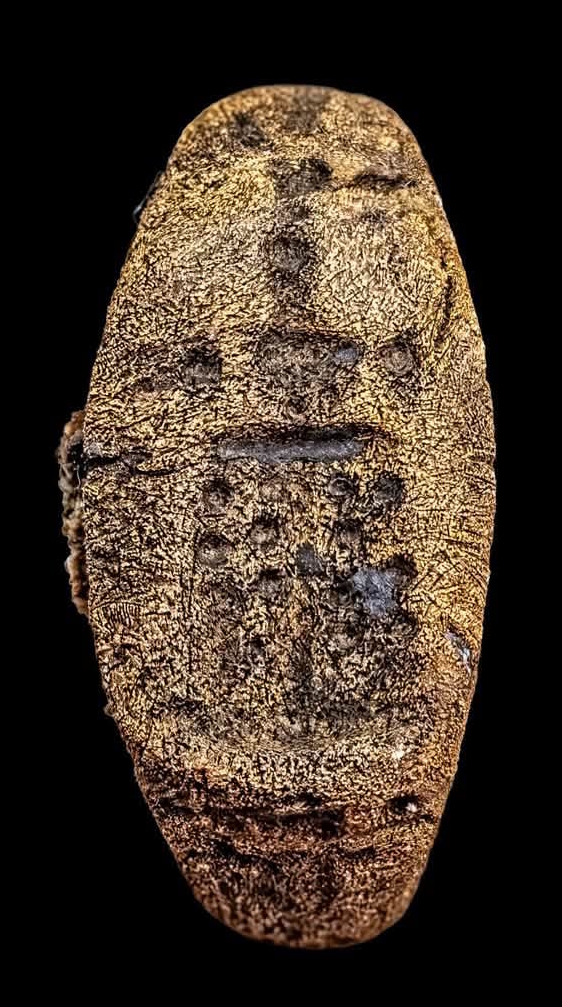
Underwater archaeologists found the ring in an exploration of the submerged royal island of Antirhodos which was part of ancient Alexandria’s Eastern Harbour. The discovery location is significant because Antirhodos was the site of a Ptolemaic royal palace documented by geographer Strabo when he visited Alexandria between 29 and 25 B.C.
Other objects recovered near the ring include pottery, glass, tableware, amphorae, bottles, lamps and other utilitarian objects dating from the 4th century B.C. to the 4th century A.D.
The Lighthouse of Alexandria was built on the island of Pharos at the entrance to the Portus Magnus, the great harbor, during the reign of Ptolemy II Philadelphus in the 3rd century B.C. It consisted of three levels: a square base, an octagonal body and a circular tower topped with the great fire. The flames were fueled by wood and resin, and amplified by metal mirrors. It could be seen from at least two dozen miles away and guided ships navigating the coast safely into the harbour.
It was a symbol of Alexandria and its commercial success, and an acknowledged architectural masterpiece. Depictions of it appeared on coins in the Ptolemaic era and under Roman imperial rule. The image engraved on the ring is similar to the depictions of the Lighthouse on 2nd century coins, so archaeologists have tentatively dated the ring to that period.
* This article was originally published here
कियारा-सिद्धार्थ दूसरी बार पेरेंट्स बनेंगे:सोशल मीडिया पर दी जानकारी; लिखा- एक बार फिर हमें जिंदगी का सबसे बड़ा तोहफा मिलने वाला है
कियारा आडवाणी और सिद्धार्थ मल्होत्रा दूसरी बार माता-पिता बनने वाले हैं। दोनों ने बुधवार को सोशल मीडिया पर एक तस्वीर शेयर कर यह खुशखबरी दी। पोस्ट में कियारा और सिद्धार्थ ने लिखा, “एक बार फिर हमें जिंदगी का सबसे बड़ा तोहफा मिलने वाला है। हमारे दिल प्यार और आभार से भर गए हैं।” कियारा आडवाणी और सिद्धार्थ मल्होत्रा की शादी 7 फरवरी 2023 को हुई थी। दोनों ने राजस्थान के जैसलमेर स्थित सूर्यगढ़ पैलेस में परिवार और करीबी दोस्तों की मौजूदगी में शादी की थी। दोनों की प्रेम कहानी फिल्म ‘शेरशाह’ के दौरान चर्चा में आई थी। फिल्म में दोनों ने साथ काम किया था। फिल्म की शूटिंग के दौरान उनकी नजदीकियां बढ़ी थीं। जुलाई 2025 में पहली बार बने थे माता-पिता शादी के करीब दो साल बाद कियारा और सिद्धार्थ पहली बार माता-पिता बने थे। जुलाई 2025 में दोनों ने सोशल मीडिया पर बेटी के जन्म की जानकारी दी थी। कपल ने बताया था कि उनके घर बेटी आई है। बाद में नवंबर 2025 में दोनों ने अपनी बेटी का नाम भी बताया था। उन्होंने बेटी का नाम सरायाह मल्होत्रा रखा। नाम की घोषणा करते हुए दोनों ने बेटी को अपना आशीर्वाद और राजकुमारी बताया था। पिता बनने को लेकर सिद्धार्थ ने कही थी खास बात हाल ही में सिद्धार्थ मल्होत्रा ने पिता बनने के अनुभव के बारे में भी बात की थी। ‘बिग बॉस 20’ में पहुंचे सिद्धार्थ से सलमान खान ने उनकी शादीशुदा जिंदगी और पिता बनने को लेकर सवाल किया था। सिद्धार्थ ने कहा था कि पिता बनना उनके लिए सबसे खास भूमिका है। उन्होंने अपनी बेटी को बहुत प्यारा बताया था और कहा था कि वह लगातार नई चीजें सीख रही है। इसी बातचीत के दौरान सलमान खान ने मजाक में सिद्धार्थ से जल्द एक और बच्चा होने की बात कही थी। हालांकि दूसरी प्रेग्नेंसी की कोई घोषणा नहीं हुई थी। वहीं, मां बनने के बाद अपनी जिंदगी में आए बदलावों के बारे में राज शमानी के पॉडकास्ट पर बात करते हुए कियारा ने कहा था कि मां बनने से पहले और बाद में उन्हें खुद में काफी बदलाव महसूस हुआ। उन्होंने कहा कि अब वह खुद को पूरी तरह अलग इंसान मानती हैं। ……………………… यह खबर भी पढ़ें... कियारा आडवाणी बोलीं- सलमान से खास कनेक्शन काम नहीं आया: कई बार रिजेक्ट हुईं, लोग ‘कबीर सिंह’ को मेरी पहली फिल्म समझते हैं कियारा आडवाणी आज बॉलीवुड की सफल अभिनेत्रियों में से एक हैं। हालांकि, उनके लिए फिल्म इंडस्ट्री में सफलता की राह आसान नहीं रही। पहली फिल्म फ्लॉप होने के बाद उन्हें लंबे समय तक काम नहीं मिला। ‘एमएस धोनी: द अनटोल्ड स्टोरी’ जैसी हिट फिल्म के बाद भी उन्हें ऑडिशन देने पड़े और कई बार रिजेक्शन झेलना पड़ा। सलमान खान के परिवार से पुराने रिश्ते होने के बावजूद उन्हें सिर्फ पहचान के दम पर काम नहीं मिला था। पूरी खबर यहां पढ़ें…
from बॉलीवुड | दैनिक भास्कर https://ift.tt/wF79TSi
via IFTTT
from बॉलीवुड | दैनिक भास्कर https://ift.tt/wF79TSi
via IFTTT
सवाल सुनते ही रिपोर्टर पर भड़कीं जया बच्चन:कंगना रनोट ने कसा तंज; बोलीं- आखिर कहना क्या चाहती हैं
दिल्ली में मंगलवार को इंडिया ब्लॉक के सांसदों ने चुनाव आयोग के खिलाफ विरोध प्रदर्शन किया। इस मार्च में सपा सांसद और एक्ट्रेस जया बच्चन भी शामिल हुईं। विरोध प्रदर्शन के दौरान जया बच्चन का एक वीडियो सोशल मीडिया पर वायरल हुआ। एक न्यूज चैनल से बात करने से इनकार करते हुए वह माइक को पीछे धक्का देती नजर आईं। इस दौरान उनके चेहरे पर इरिटेशन दिखी। जिसके बाद बीजेपी सांसद और एक्ट्रेस कंगना रनोट ने जया बच्चन पर तंज कसा। इंस्टाग्राम स्टोरी में जया बच्चन का वीडियो शेयर करते हुए कंगना ने लिखा, “जब आप पूरी दुनिया के सामने अपनी बात रखने के लिए धरने पर बैठते हैं, लेकिन जब आपसे पूछा जाता है कि आखिर आप कहना क्या चाहती हैं, तो जया बच्चन जी का जवाब होता है- नहीं बताऊंगी।” पहले भी जया बच्चन पर टिप्पणी कर चुकी हैं कंगना यह पहली बार नहीं है जब कंगना रनोट ने जया बच्चन पर टिप्पणी की हो। जया बच्चन अक्सर मीडिया में अपने बर्ताव को लेकर सुर्खियों में रहती हैं। पैपराजी और आम लोगों को वह कई बार डांट लगा चुकी हैं। पिछले साल नई दिल्ली के कॉन्स्टिट्यूशन क्लब के बाहर जया बच्चन ने एक शख्स को सेल्फी लेने से मना करते समय धक्का देकर पीछे किया था। तब कंगना ने उन्हें बिगड़ी हुईं और प्रिविलेज्ड महिला कहा था। साथ ही इस घटना को शर्मनाक बताया था।
वहीं, सुशांत सिंह राजपूत के निधन के बाद बॉलीवुड में ड्रग्स और नेपोटिज्म को लेकर बहस छिड़ी थी। इसी दौरान कंगना ने फिल्म इंडस्ट्री की तुलना ‘गटर’ से की थी। कंगना के बयान पर जया बच्चन ने राज्यसभा में बिना नाम लिए प्रतिक्रिया दी थी। उन्होंने कहा था कि कुछ लोग जिस थाली में खाते हैं, उसी में छेद करते हैं। जया ने बॉलीवुड को गटर कहना गलत बताया था। इसके बाद कंगना ने सोशल मीडिया पर जया बच्चन के बयान का जवाब दिया था। उन्होंने लिखा था, "जया जी, क्या आप तब भी यही बात कहतीं अगर मेरी जगह आपकी बेटी श्वेता को टीनएज में पीटा जाता, नशीला पदार्थ दिया जाता और उसके साथ छेड़छाड़ की जाती? क्या आप तब भी यही कहतीं अगर अभिषेक लगातार बदमाशी और उत्पीड़न की शिकायत करते और एक दिन फांसी पर लटके पाए जाते? हमारे लिए भी थोड़ी करुणा (दया) दिखाइए।" मुख्य चुनाव आयुक्त के खिलाफ विपक्ष ने मार्च निकाला SIR के विरोध और मुख्य चुनाव आयुक्त ज्ञानेश कुमार के इस्तीफे की मांग को लेकर इंडिया ब्लॉक ने मंगलवार को दिल्ली में ‘सेव डेमोक्रेसी मार्च’ निकाला। मार्च संसद से चुनाव आयोग के ऑफिस की ओर जा रहा था। पुलिस ने रास्ते में प्रदर्शनकारियों को रोक दिया और कई नेताओं को हिरासत में लिया। इसके बाद राहुल गांधी और प्रियंका गांधी आकाशवाणी भवन परिसर में पहुंच गए। दोनों आठ घंटे से ज्यादा समय तक धरने पर बैठे रहे। वे ज्ञानेश कुमार से मुलाकात की मांग कर रहे थे। रात करीब 8 बजे पुलिस ने राहुल और अन्य नेताओं को हिरासत में लेकर किंग्सवे कैंप पुलिस लाइन पहुंचाया। करीब दो घंटे बाद रात 10:10 बजे सभी को छोड़ दिया गया। राहुल गांधी ने एक्स पर पोस्ट कर कहा कि लोकतंत्र के गद्दारों को बचाने के लिए बचे-खुचे लोकतंत्र को घसीटा गया है। उन्होंने कहा कि इसका हिसाब होगा। चुनाव आयोग ने कहा कि शाम 4 बजे तक किसी पार्टी ने मिलने का समय नहीं मांगा था। आयोग ने सांसदों के प्रतिनिधिमंडल से मिलने का प्रस्ताव दिया था, लेकिन विपक्ष ने इसे स्वीकार नहीं किया। वहीं, भाजपा ने प्रदर्शन को अराजकता फैलाने की कोशिश बताया। पार्टी ने राहुल गांधी पर भी निशाना साधा। पूरी खबर यहां पढ़ें…
……………….. यह खबर भी पढ़ें… हिमाचल में कंगना रनोट बोलीं-लोग मुझे निठल्ला कह रहे: अफसरों को फटकारा- बैठक में खानापूर्ति के लिए न आएं, फैसलों पर काम भी करें हिमाचल के मंडी से भाजपा सांसद कंगना रनोट ने एक बैठक में अधिकारियों को फटकार लगाई थी। जिला विकास समन्वय और निगरानी समिति की बैठक में सांसद निधि का इस्तेमाल नहीं होने पर उन्होंने नाराजगी जताई थी। कंगना ने कहा था कि लोग उन्हें निठल्ला कह रहे हैं। उन्होंने अधिकारियों से पिछली बैठकों में लिए गए फैसलों पर काम करने को कहा था। पूरी खबर यहां पढ़ें…
from बॉलीवुड | दैनिक भास्कर https://ift.tt/dXTv2uj
via IFTTT
from बॉलीवुड | दैनिक भास्कर https://ift.tt/dXTv2uj
via IFTTT
जाह्नवी कपूर ने 360 डिग्री जीभ मोड़ने को बताया टैलेंट:पेरिस फैशन वीक में दिया बयान; सोशल मीडिया पर ट्रोल हुईं
बॉलीवुड एक्ट्रेस जाह्नवी कपूर इन दिनों पेरिस फैशन वीक 2026 में शामिल होने के लिए फ्रांस में हैं। इस दौरान एक इंटरव्यू में उन्होंने अपने एक अजीब हुनर का खुलासा किया। जाह्नवी ने बताया कि वे अपनी जीभ को लगभग 360 डिग्री तक मोड़ सकती हैं। हालांकि उन्होंने खुद इस काम को बेवकूफाना और बेकार बताया। इसके बावजूद सोशल मीडिया पर यूजर्स ने उनका मजाक उड़ाना शुरू कर दिया है और कई लोगों ने उन्हें ट्रोल किया। पेरिस फैशन वीक में दिए इंटरव्यू में किया खुलासा इंटरनेशनल मीडिया प्लेटफॉर्म 'द कट' से बातचीत के दौरान जाह्नवी कपूर से उनके किसी छुपे हुए हुनर (हिडन टैलेंट) के बारे में पूछा गया था। इसके जवाब में जाह्नवी ने हंसते हुए अपनी इस अजीब आदत के बारे में बताया। उन्होंने कहा कि वे अपनी जीभ को 360 डिग्री तक घुमा सकती हैं। जाह्नवी ने यह भी साफ किया कि यह कोई बड़ी काबिलियत नहीं है, बल्कि यह एक बहुत ही अजीब और किसी काम न आने वाली ट्रिक है। स्कूल के दिनों से जुड़ा है ये टैलेंट जाह्नवी ने इस ट्रिक को सीखने के पीछे की वजह भी शेयर की। उन्होंने बताया कि जब वे स्कूल में पढ़ती थीं, तब बाकी बच्चे अपनी जीभ से अपनी नाक छूने की कोशिश करते थे। वे ऐसा नहीं कर पाती थीं। ऐसे में क्लास के दूसरे बच्चों को प्रभावित करने के लिए उन्होंने अपनी जीभ से कुछ अलग करने की कोशिश शुरू की। धीरे-धीरे उन्होंने अपनी जीभ को मोड़ना सीख लिया और यह उनके लिए दोस्तों के बीच दिखाने वाली एक ट्रिक बन गई। सोशल मीडिया पर यूजर्स ने किया ट्रोल जाह्नवी कपूर का यह बयान सामने आते ही सोशल मीडिया पर लोगों ने उनके बयान का मजाक उड़ना शुरू कर दिया। एक यूजर ने लिखा कि नेपो किड्स के पास यही सब बेकार की ट्रिक्स होती हैं। वहीं दूसरे यूजर ने उनकी तुलना एक्ट्रेस अनन्या पांडे से करते हुए लिखा कि अनन्या के पास भी ऐसा ही टैलेंट था, मुझे लगा था कि ये लोग एक्टिंग सीख रहे होंगे। कई अन्य यूजर्स ने भी इस बयान को गैर-जरूरी बताते हुए एक्ट्रेस को ट्रोल किया। हाल ही में वायरल हुआ डीपफेक वीडियो हाल ही में जान्हवी कपूर की अपनी फिल्म 'देवरा: पार्ट 1' के गाने 'चुट्टामल्ले' पर बने AI जनरेटेड अश्लील (डीपफेक) वीडियो वायरल हुआ था। इसके बाद एक्ट्रेस ने इस मामले में कड़ी नाराजगी जताई थी। इंस्टाग्राम स्टोरीज पर एक बयान जारी कर उन्होंने तकनीक के इस गलत इस्तेमाल को यौन उत्पीड़न के बराबर बताया। जान्हवी ने कहा कि बिना मर्जी के महिलाओं का ऐसा कंटेंट बनाना उनकी गरिमा का गंभीर उल्लंघन है। इसके साथ ही उन्होंने इस मुद्दे पर खुलकर बोलने और समर्थन देने के लिए अपने को-स्टार जूनियर एनटीआर, चिरंजीवी, विजय देवरकोंडा और खुशबू का आभार व्यक्त किया। टेक्नोलॉजी का गलत इस्तेमाल यौन उत्पीड़न जैसा जान्हवी कपूर ने अपने बयान में लिखा कि महिलाओं को केवल एक वस्तु की तरह दिखाना और उनकी सहमति के बिना एडिटेड कंटेंट फैलाना बेहद गंभीर मामला है। यह आपराधिक कृत्य लगभग यौन उत्पीड़न के ही समान है। उन्होंने कहा कि फिल्म इंडस्ट्री की लगभग हर महिला ने किसी न किसी रूप में इस परेशानी का सामना किया है। अब डिजिटल प्लेटफॉर्म्स पर हर जगह आम महिलाएं भी इसका शिकार हो रही हैं। महिला की सहमति और मर्जी का सम्मान होना चाहिए एक्ट्रेस ने महिलाओं की पसंद और उनके शरीर के प्रति सम्मान देने की बात कही। उन्होंने कहा कि अगर कोई महिला पांच दिन 'हां' कहती है और छठे दिन 'ना', तो उस 'ना' का सम्मान किया जाना चाहिए। मिनीस्कर्ट पहनने का मतलब यह नहीं होता कि कोई उसके नीचे कैमरा लगाए या उसके शरीर का गलत इस्तेमाल करे। महिला किस चीज में सहज है और अपनी सीमा कहां तय करती है, यह फैसला पूरी तरह से उसी का होना चाहिए। 'अपनी बेटियों को बचाओ' की जगह सोच बदलने की जरूरत जान्हवी ने आगे कहा कि ऑनलाइन और ऑफलाइन दोनों जगहों पर महिलाओं को सीमाओं के उल्लंघन का सामना करना पड़ता है। उन्होंने सलाह दी कि लोगों को सिर्फ अपनी बेटियों की सुरक्षा करने की बात कहने के बजाय अपनी सोच बदलनी होगी। समाज को ऐसी मानसिकता विकसित करने की जरूरत है जो लोगों को दूसरों की प्राइवेसी और सीमाओं का उल्लंघन करने से रोके। जूनियर एनटीआर और सीनियर एक्टर्स का जताया आभार जान्हवी ने अपने को-स्टार जूनियर एनटीआर का खास तौर पर शुक्रिया अदा किया, जिन्होंने इस वायरल वीडियो के खिलाफ सार्वजनिक रूप से कड़ा बयान दिया था। जान्हवी के मुताबिक, बड़े स्टार्स का ऐसा स्टैंड लेना उन सभी महिलाओं को हिम्मत देता है जो इस तरह के बर्ताव से पीड़ित हैं। उन्होंने मामले में एकजुटता दिखाने के लिए दिग्गज अभिनेता चिरंजीवी, विजय देवरकोंडा और खुशबू सुंदर को भी धन्यवाद कहा। जाह्नवी कपूर का बैकग्राउंड जाह्नवी कपूर बॉलीवुड की दिवंगत दिग्गज एक्ट्रेस श्रीदेवी और फिल्म प्रोड्यूसर बोनी कपूर की बेटी हैं। उन्होंने साल 2018 में फिल्म 'धड़क' से अपने बॉलीवुड करियर की शुरुआत की थी। इसके बाद वे 'गुंजन सक्सेना: द कारगिल गर्ल', 'रूही', 'मिली', 'बवाल' और 'मिस्टर एंड मिसेज माही' जैसी कई फिल्मों में नजर आ चुकी हैं। हाल ही में वे साउथ सिनेमा में भी फिल्म 'देवरा' के जरिए अपनी शुरुआत कर चुकी हैं।
from बॉलीवुड | दैनिक भास्कर https://ift.tt/2RAXMxN
via IFTTT
from बॉलीवुड | दैनिक भास्कर https://ift.tt/2RAXMxN
via IFTTT
Tuesday, 6 October 2026
Fine glassware found in graves from Late Antiquity in Troyes

A team from the French National Institute for Preventive Archaeological Research (INRAP) excavated the site on the bank of the Vienne River prior to construction of a new housing development. They found the remains of a post-built settlement from early antiquity (1st century A.D.) that was protected by a sturdy ditched wall. A large palisade divided the settlement, and most of the 300 domestic structures unearthed were on the east side.
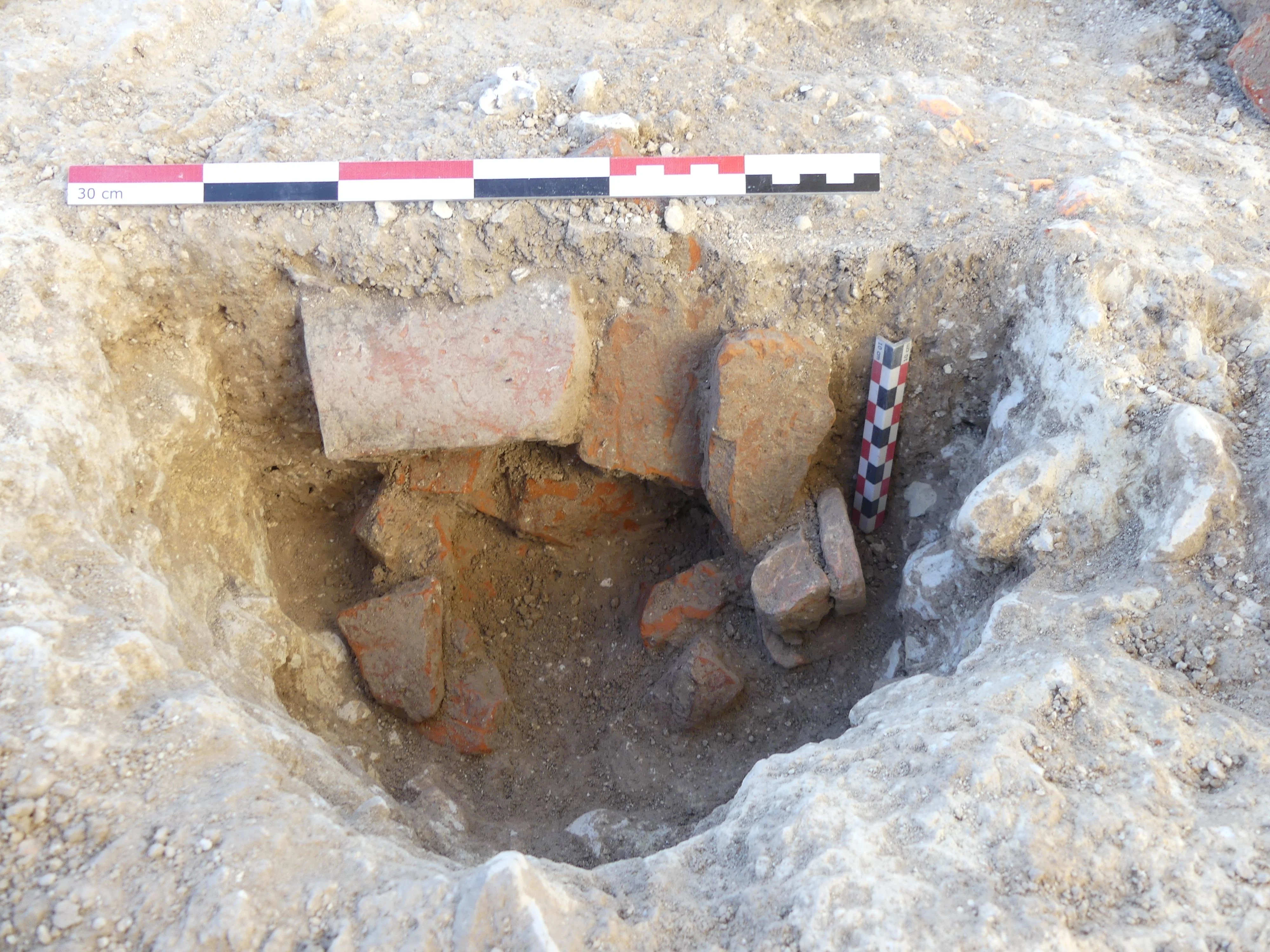

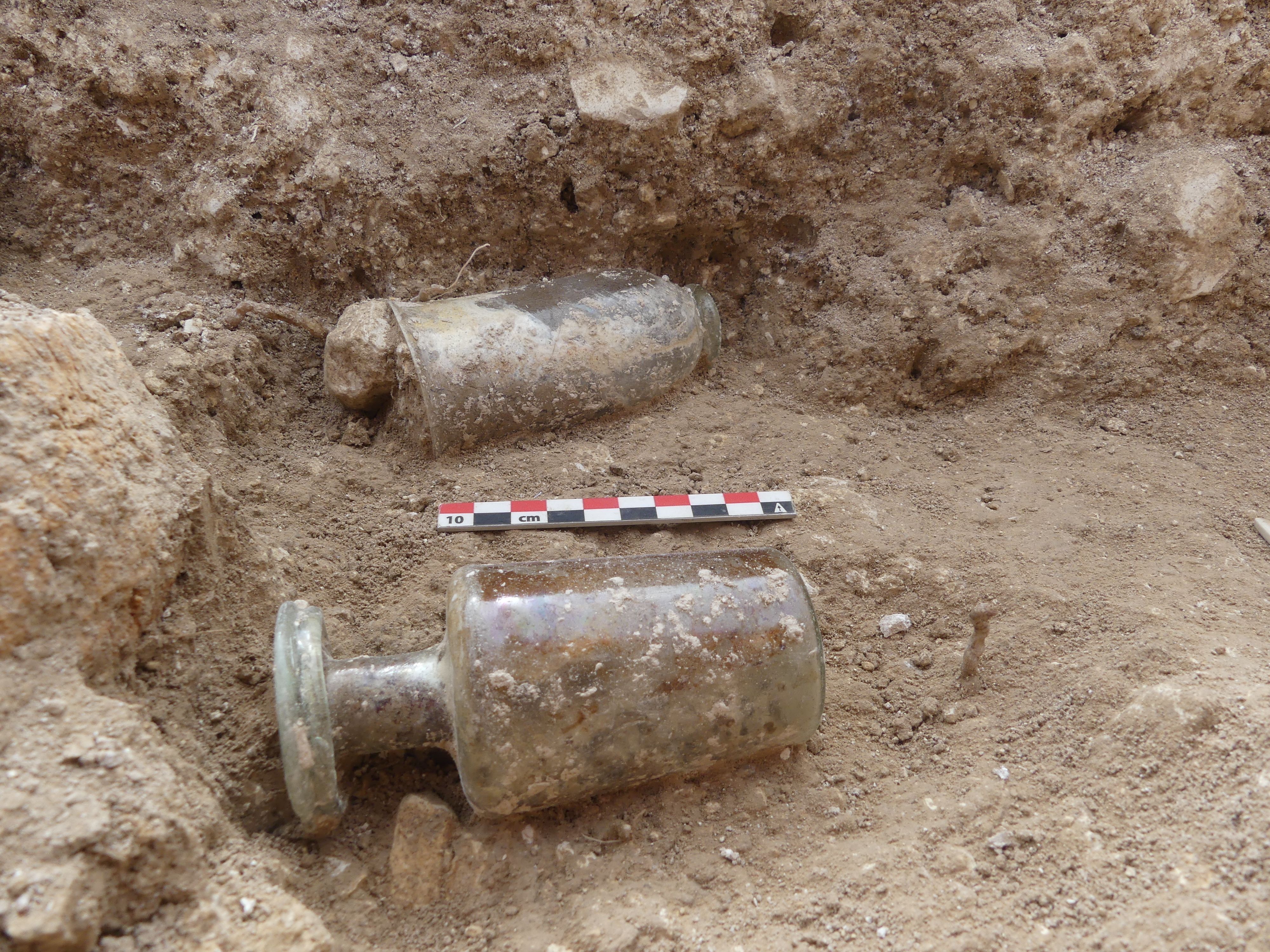
The site appears to have been abandoned after Late Antiquity, although the excavation did uncover a small group of huts from the turn of the 11th/12th century just to the north of the ancient town. There was a well and a silo, so it seems to have been a small community, although it’s not possible to tell from the sparse artifacts how long it was inhabited.
* This article was originally published here
Traitors claim their first victim as Richard E Grant tries to save his skin
There was a murder and a recruitment in the latest episode, and that was just in the opening minutes.
from BBC News https://ift.tt/XMPHNmn
from BBC News https://ift.tt/XMPHNmn
Monday, 5 October 2026
Rare 4,000-year-old cist grave found in Norway
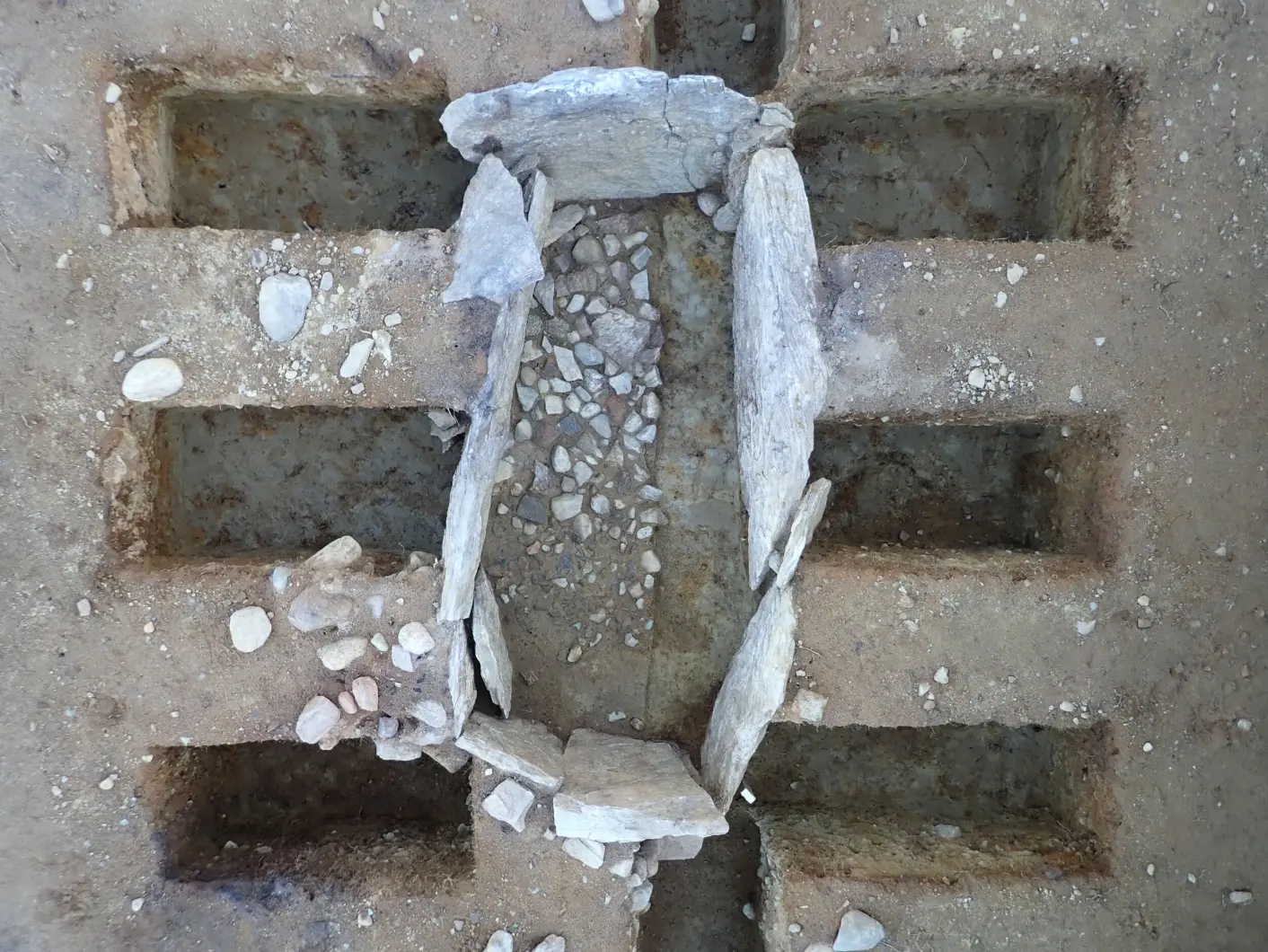
Just a few miles from the border with Sweden, the area is slated for development into a new industrial park. Archaeologists are excavating the site to document and recover everything they can find before construction begins. The team uncovered some stones sticking up out of the soil, and a charcoal layer which suggested to them it was an ancient firepit. It was only when they removed some of the stones that they saw the stone slab sides of a cist grave.
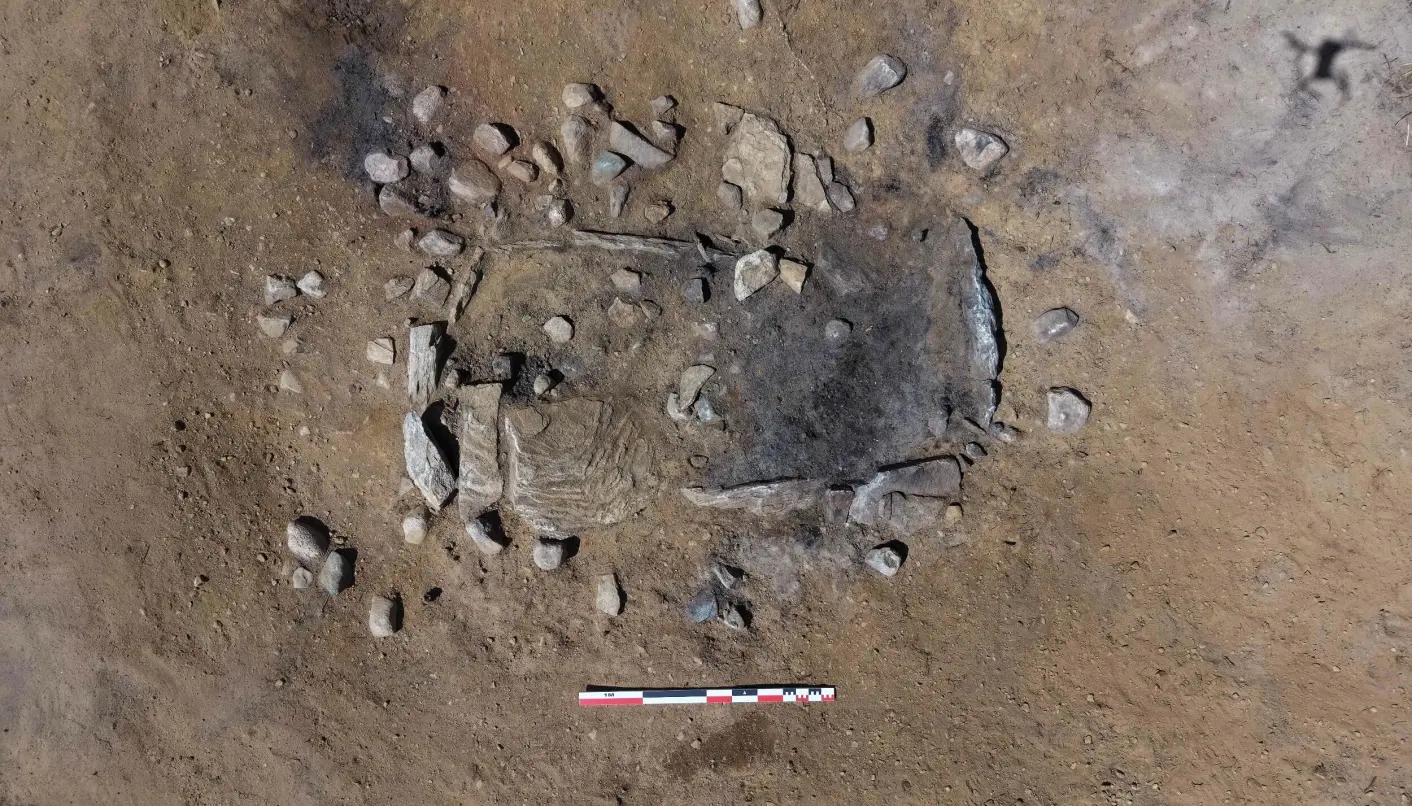

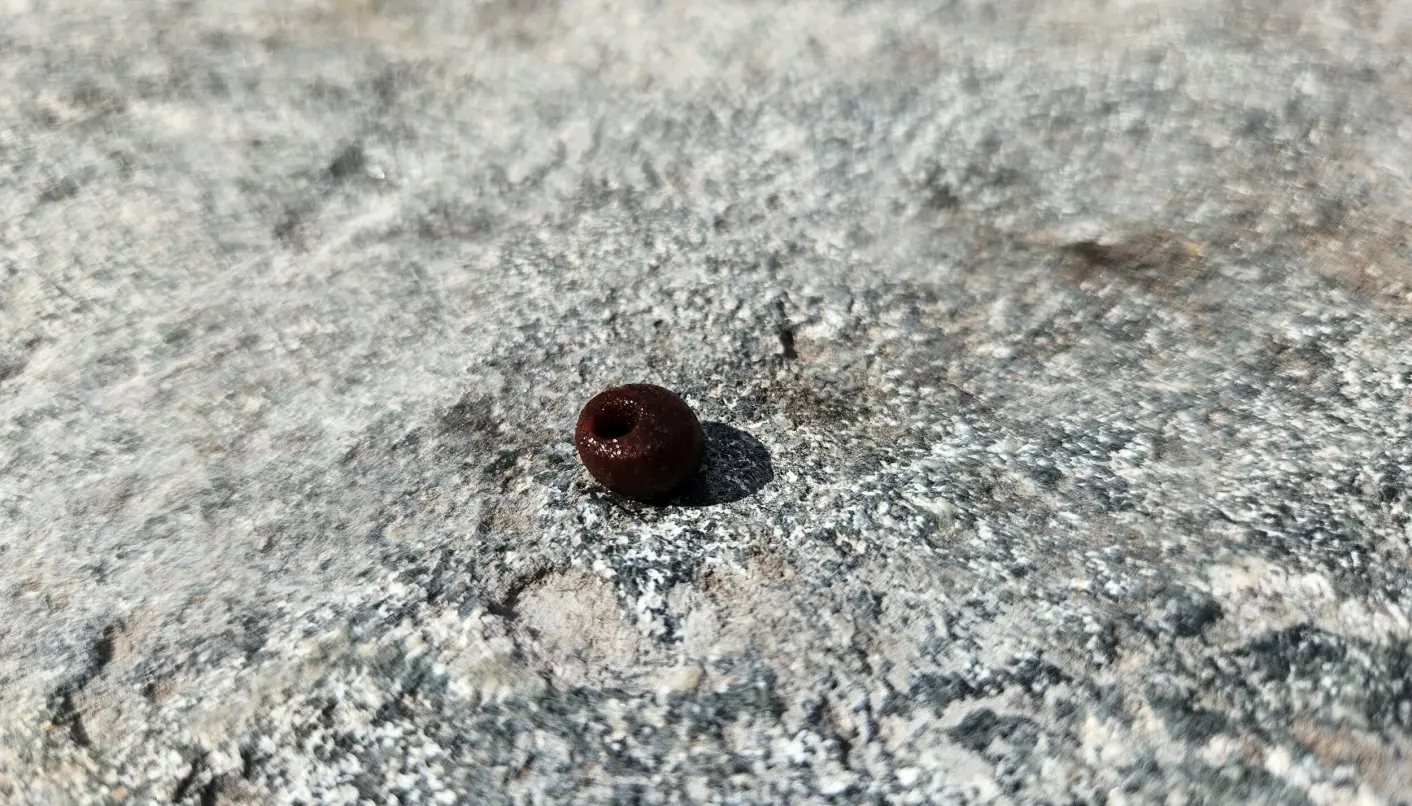
The Cultural History Museum is now discussing the fate of the cist grave with Østfold County Council. The debate is whether it should be allowed to remain in situ so that people can visit it in its original location, or recovered and reconstructed inside the museum.
* This article was originally published here
Charity tea room may close despite Ludwig filming
The series, starring David Mitchell, is filming scenes in Hemel Hempstead.
from BBC News https://ift.tt/oMKbQsm
from BBC News https://ift.tt/oMKbQsm
नसीरुद्दीन शाह पर पीयूष मिश्रा का तंज:बोले- कैप्टन स्मित पर चुप क्यों, LPU की घटना पर क्यों नहीं बोल रहे; CJP प्रोटेस्ट में पहुंचे थे नसीरुद्दीन
मुंबई के शिवाजी पार्क में कॉकरोच जनता पार्टी (CJP) ने चीफ इलेक्शन कमिश्नर ज्ञानेश कुमार के इस्तीफे की मांग को लेकर प्रदर्शन किया। इस प्रोटेस्ट में एक्टर नसीरुद्दीन शाह और संगीतकार विशाल ददलानी समेत कई हस्तियां शामिल हुईं। इसी बीच एक्टर पीयूष मिश्रा ने नसीरुद्दीन शाह की अभिजीत दिपके से मुलाकात का जिक्र करते हुए देश के अन्य मुद्दों पर उनकी चुप्पी पर सवाल उठाए। उन्होंने दुबई की फ्लाइट में 170 यात्रियों की जान बचाने वाले स्मिथ मच्छर की तारीफ करने और लवली प्रोफेशनल यूनिवर्सिटी (LPU) की घटना पर बयान देने की मांग की। पीयूष ने देश के अन्य मुद्दों पर नसीरुद्दीन शाह की चुप्पी पर सवाल उठाते हुए कहा कि अब नसीर साहब के हर बयान का वे खुद जवाब देंगे। 'फ्लाइट हादसे में जान बचाने वाले की तारीफ करें' पीयूष मिश्रा ने अपने सोशल मीडिया वीडियो में नसीरुद्दीन शाह से कहा कि वे पुराने जानकार हैं। पीयूष ने हाल ही में फ्लाईदुबई की फ्लाइट 1073 में टले हादसे का जिक्र किया। उन्होंने कहा कि स्मित मच्छार नाम के व्यक्ति ने बहादुरी दिखाकर 170 लोगों की जान बचाई है। नसीर साहब को उस घटना पर भी कमेंट करना चाहिए और उस जांबाज को बधाइयां देनी चाहिए। एलपीयू घटना पर संवेदना जताने की मांग पीयूष मिश्रा ने लवली प्रोफेशनल यूनिवर्सिटी (LPU) के मुद्दे को भी उठाया। उन्होंने कहा कि वहां छात्रों के साथ पुलिस कार्रवाई के दौरान धक्का-मुक्की और हंगामा हुआ। पीयूष ने तंज कसते हुए याद दिलाया कि नसीरुद्दीन शाह ने कहा था कि उन्होंने जितना नेशनल स्कूल ऑफ ड्रामा (NSD) और FTII में नहीं सीखा, उतना इन बच्चों से सीखा है। पीयूष ने पूछा कि ये बच्चे कब से एक्टिंग टीचर हो गए, नसीर साहब को इस पर भी मैसेज भेजकर अपनी संवेदना जतानी चाहिए। 'झारखंड में नज्म नहीं, आटा-दाल-रोटी चाहिए थी' वीडियो में पीयूष मिश्रा ने झारखंड छात्र आंदोलन के दौरान मांगी गई मदद का जिक्र किया। उन्होंने कहा कि जब उन्होंने झारखंड के लिए नसीर साहब से मदद मांगी थी, तो उन्होंने एक पाकिस्तानी शायरा की नज्म भेज दी थी। पीयूष ने कहा कि वहां के लोगों को किसी शायरा की नज्म नहीं, बल्कि आटा, दाल, रोटी, लिट्टी और चोखा चाहिए था। उन्हें कोई पिज्जा या बर्गर नहीं चाहिए था। पीयूष मिश्रा ने नसीरुद्दीन शाह को साफ शब्दों में कहा कि अब वे जब भी कोई सार्वजनिक बयान देंगे, तो उन्हें पीयूष मिश्रा की तरफ से जवाब जरूर मिलेगा। उन्होंने खुद को नसीर साहब का पुराना जानकार बताते हुए 'इंकलाब जिंदाबाद' के साथ अपनी बात खत्म की। जंतर-मंत्र छात्र आंदोलन में भी भिड़े दोनों एक्टर्स नसीरुद्दीन शाह और पीयूष मिश्रा के बीच यह विवाद नया नहीं है। इससे पहले दिल्ली में हुए नीट (NEET) प्रोटेस्ट के दौरान नसीरुद्दीन शाह ने बॉलीवुड हस्तियों की चुप्पी पर सवाल उठाए थे। पीयूष मिश्रा ने झारखंड प्रोटेस्ट में पहुंचकर नसीरुद्दीन शाह के एक बयान पर नाराजगी जाहिर कर उन पर कटाक्ष किया था। उन्होंने नसीरुद्दीन शाह और अन्य सेलेब्स की चुप्पी पर भी सवाल उठाए थे। झारखंड प्रोटेस्ट में शामिल हुए पीयूष मिश्रा ने कहा था, ‘नसीरुद्दीन शाह साहब, आपने कॉकरोच जनता पार्टी के प्रोटेस्ट पर सेलेब्स के कुछ न कहने पर एक बात कही थी कि जिन कुत्तों के मुंह में हड्डी है वह नहीं बोलेंगे। माफ करिएगा, मैं आपका प्रति पूरा सम्मान देकर पूछना चाहता हूं कि इस वक्त वो कौन कुत्ते हैं, जिनके मुंह में हड्डी है।’ नसीरुद्दीन शाह का पूरा बयान कॉकरोच जनता पार्टी के प्रोटेस्ट पर सेलेब्स की चुप्पी पर बात करते हुए नसीरुद्दीन शाह ने द वायर से कहा था, सेलेब्स तब बोलेंगे, जब उनका जमीर उनसे ऐसा करने को बोलेगा। एक कहावत है कि जिस कुत्ते के मुंह में हड्डी होती है, वो भौंक नहीं सकता। जैसे ही हड्डी उसके मुंह से गिरेगी या दांत टूटेंगे, तब वो भौंकेगा।
from बॉलीवुड | दैनिक भास्कर https://ift.tt/VH3cith
via IFTTT
from बॉलीवुड | दैनिक भास्कर https://ift.tt/VH3cith
via IFTTT
डीपफेक वीडियो पर भड़कीं जान्हवी कपूर:बोलीं- तकनीक का गलत इस्तेमाल यौन उत्पीड़न जैसा, जूनियर एनटीआर और चिरंजीवी का जताया आभार
अभिनेत्री जान्हवी कपूर ने अपनी फिल्म 'देवरा: पार्ट 1' के गाने 'चुट्टामल्ले' पर बने AI जनरेटेड अश्लील (डीपफेक) वीडियो पर कड़ी नाराजगी जताई है। इंस्टाग्राम स्टोरीज पर एक बयान जारी कर उन्होंने तकनीक के इस गलत इस्तेमाल को यौन उत्पीड़न के बराबर बताया। जान्हवी ने कहा कि बिना मर्जी के महिलाओं का ऐसा कंटेंट बनाना उनकी गरिमा का गंभीर उल्लंघन है। इसके साथ ही उन्होंने इस मुद्दे पर खुलकर बोलने और समर्थन देने के लिए अपने को-स्टार जूनियर एनटीआर, चिरंजीवी, विजय देवरकोंडा और खुशबू का आभार व्यक्त किया। टेक्नोलॉजी का गलत इस्तेमाल यौन उत्पीड़न जैसा जान्हवी कपूर ने अपने बयान में लिखा कि महिलाओं को केवल एक वस्तु की तरह दिखाना और उनकी सहमति के बिना एडिटेड कंटेंट फैलाना बेहद गंभीर मामला है। यह आपराधिक कृत्य लगभग यौन उत्पीड़न के ही समान है। उन्होंने कहा कि फिल्म इंडस्ट्री की लगभग हर महिला ने किसी न किसी रूप में इस परेशानी का सामना किया है। अब डिजिटल प्लेटफॉर्म्स पर हर जगह आम महिलाएं भी इसका शिकार हो रही हैं। महिला की सहमति और मर्जी का सम्मान होना चाहिए एक्ट्रेस ने महिलाओं की पसंद और उनके शरीर के प्रति सम्मान देने की बात कही। उन्होंने कहा कि अगर कोई महिला पांच दिन 'हां' कहती है और छठे दिन 'ना', तो उस 'ना' का सम्मान किया जाना चाहिए। मिनीस्कर्ट पहनने का मतलब यह नहीं होता कि कोई उसके नीचे कैमरा लगाए या उसके शरीर का गलत इस्तेमाल करे। महिला किस चीज में सहज है और अपनी सीमा कहां तय करती है, यह फैसला पूरी तरह से उसी का होना चाहिए। 'अपनी बेटियों को बचाओ' की जगह सोच बदलने की जरूरत जान्हवी ने आगे कहा कि ऑनलाइन और ऑफलाइन दोनों जगहों पर महिलाओं को सीमाओं के उल्लंघन का सामना करना पड़ता है। उन्होंने सलाह दी कि लोगों को सिर्फ अपनी बेटियों की सुरक्षा करने की बात कहने के बजाय अपनी सोच बदलनी होगी। समाज को ऐसी मानसिकता विकसित करने की जरूरत है जो लोगों को दूसरों की प्राइवेसी और सीमाओं का उल्लंघन करने से रोके। जूनियर एनटीआर और सीनियर एक्टर्स का जताया आभार जान्हवी ने अपने को-स्टार जूनियर एनटीआर का खास तौर पर शुक्रिया अदा किया, जिन्होंने इस वायरल वीडियो के खिलाफ सार्वजनिक रूप से कड़ा बयान दिया था। जान्हवी के मुताबिक, बड़े स्टार्स का ऐसा स्टैंड लेना उन सभी महिलाओं को हिम्मत देता है जो इस तरह के बर्ताव से पीड़ित हैं। उन्होंने मामले में एकजुटता दिखाने के लिए दिग्गज अभिनेता चिरंजीवी, विजय देवरकोंडा और खुशबू सुंदर को भी धन्यवाद कहा। मॉर्फ्ड वीडियो बनाने वालों को चेतावनी थी जूनियर NTR ने मॉर्फ्ड ‘चुट्टामल्ले’ वीडियो बनाने और उसे फैलाने वालों को कड़ी चेतावनी दी थी। उन्होंने लिखा कि ‘चुट्टामल्ले’ के इस मॉर्फ्ड वीडियो को बनाने और फैलाने वालों के खिलाफ मैं हर संभव कानूनी कार्रवाई करूंगा। मैं उनमें से किसी को भी नहीं छोड़ूंगा। अभिनेता ने लोगों से ऐसे कंटेंट को बढ़ावा नहीं देने की अपील की। उन्होंने लिखा, “मैं लोगों से अपील करता हूं कि ऐसे कंटेंट को न देखें, न शेयर करें और न ही उस पर प्रतिक्रिया दें। आज यह किसी और के साथ हुआ है, कल आपकी मां, बहन, पत्नी या बेटी भी इसका शिकार हो सकती है।” उन्होंने आगे लिखा, "यह बेहद गंभीर मामला है। मैं सभी राज्य सरकारों और भारत सरकार से अपील करता हूं कि AI के गलत इस्तेमाल के खिलाफ सख्त नियम बनाए जाएं और कार्रवाई की जाए।” विजय देवरकोंडा ने वीडियो पर नाराजगी जताई विजय देवरकोंडा ने ‘चुट्टामल्ले’ के डीपफेक वीडियो पर नाराजगी जताते हुए इसे बेहद गंभीर मामला बताया। उन्होंने कहा कि वीडियो बनाने वालों के खिलाफ सख्त कानूनी कार्रवाई होनी चाहिए और उन्हें बख्शा नहीं जाना चाहिए। उन्होंने सवाल उठाया कि लोग एक-दूसरे को नीचा दिखाने के प्रति इतने असंवेदनशील कैसे हो गए हैं। विजय ने कहा कि AI का इस्तेमाल लोगों की नौकरी जाने की चिंता के बीच इस तरह की बकवास के लिए किया जा रहा है। उन्होंने इस तरह के डीपफेक को डिजिटल रूप से यौन उत्पीड़न के बराबर बताया और कहा कि कानून को ऐसे मामलों को बेहद गंभीरता से लेना चाहिए। चिरंजीवी ने भी वीडियो पर जताई नाराजगी साउथ सुपरस्टार चिरंजीवी ने भी गाने ‘चुट्टामल्ले’ के मॉर्फ्ड और आपत्तिजनक AI वीडियो के वायरल होने पर कड़ी नाराजगी जताई। सोशल मीडिया पोस्ट में उन्होंने ऐसे कंटेंट को क्रूर, शर्मनाक और पूरी तरह अस्वीकार्य बताया। उन्होंने कहा कि यह सिर्फ किसी एक महिला या फिल्म से जुड़ा मामला नहीं है। आज किसी और के साथ हुआ है, कल यह आपके, मेरे या किसी जानने वाले के साथ भी हो सकता है। चिरंजीवी ने कहा कि ऐसे वीडियो बनाने और जानबूझकर उन्हें फैलाने वालों पर कानून के तहत कार्रवाई होनी चाहिए। उन्होंने इसे मजाक या मनोरंजन मानने से भी इनकार किया। उन्होंने तेलुगु फिल्म चैंबर, प्रोड्यूसर्स काउंसिल और इंडस्ट्री संस्थाओं के साथ मिलकर एक कमेटी और सपोर्ट सेल बनाने की बात कही। यह टीम साइबर क्राइम अधिकारियों के साथ काम करेगी। उन्होंने लोगों से वीडियो को देखने, डाउनलोड करने या शेयर करने के बजाय संबंधित प्लेटफॉर्म और साइबर क्राइम अधिकारियों को रिपोर्ट करने की अपील की। ‘चुट्टामल्ले’ गाना और फिल्म ‘चुट्टामल्ले’ 2024 में आई एक्शन ड्रामा फिल्म ‘देवरा: पार्ट 1’ का रोमांटिक गाना है। इसमें जूनियर NTR और जान्हवी कपूर नजर आए थे। यह गाना अपनी धुन और दोनों मुख्य कलाकारों की केमिस्ट्री के लिए लोकप्रिय हुआ था। ‘देवरा: पार्ट 1’ की कहानी कोरटाला शिवा के निर्देशन में बनी ‘देवरा: पार्ट 1’ की कहानी 1980 के दशक के एक तटीय गांव पर आधारित है। फिल्म में एक ताकतवर समुद्री योद्धा अवैध समुद्री तस्करी के खिलाफ खड़ा होता है। उसे पता चलता है कि इसकी वजह से निर्दोष लोगों को नुकसान हो रहा है। फिल्म में जूनियर NTR, जान्हवी कपूर और सैफ अली खान ने अहम भूमिकाएं निभाईं। प्रकाश राज, श्रीकांत और शाइन टॉम चाको भी फिल्म का हिस्सा थे। वर्कफ्रंट की बात करें तो जूनियर NTR अपकमिंग फिल्म ‘ड्रैगन’ पर काम कर रहे हैं। इसका निर्देशन ‘KGF’ और ‘सालार’ फेम प्रशांत नील कर रहे हैं। फिल्म 11 जून 2027 को रिलीज होने वाली है। कई सेलेब्स के AI-जनरेटेड पोस्ट बने हैं गौरतलब है कि कई सेलिब्रिटी एआई-जनरेटेड कंटेंट का शिकार हो चुके हैं, जिनमें रश्मिका मंदाना, नोरा फतेही और माधुरी दीक्षित जैसे नाम शामिल हैं। मई 2026 में फेक एआई से बने वीडियो और तस्वीरों को लेकर साउथ एक्ट्रेस रुक्मिणी वसंत भड़क गई थीं। रुक्मिणी ने एक्स अकाउंट पर एक नोट शेयर कर लिखा था, “मेरी टीम और मैंने सोशल मीडिया पर कुछ एआई से बनाई गई तस्वीरें देखी हैं, जिनके बारे में दावा किया जा रहा है कि वो मेरी हैं। मैं साफ कहना चाहती हूं कि ये तस्वीरें पूरी तरह फर्जी और बनाई गई हैं। इस तरह की एडिटेड तस्वीरें बनाना और फैलाना बहुत गैरजिम्मेदाराना है। यह किसी की प्राइवेसी का बड़ा उल्लंघन भी है।” उन्होंने आगे लिखा था, “हम इस मामले को गंभीरता से ले रहे हैं। इन तस्वीरों को बनाने और फैलाने वालों के खिलाफ कानूनी और साइबर क्राइम कार्रवाई शुरू की जा रही है। मैं सभी लोगों से अपील करती हूं कि ऐसे कंटेंट को शेयर न करें और न ही उसे बढ़ावा दें।” मई 2026 में ही माधुरी दीक्षित का एक रिवीलिंग ब्लैक ड्रेस वाला वीडियो वायरल हुआ था, जिसे बाद में फैक्ट चेक और ट्विटर (X) के कम्युनिटी नोट द्वारा एआई-जनरेटेड और पूरी तरह नकली घोषित किया गया। नवंबर 2023 में रश्मिका का एक वीडियो वायरल हुआ, जिसमें वह काले रंग के कपड़ों में एक लिफ्ट के अंदर जाती हुई दिख रही थीं। यह वीडियो पूरी तरह फेक था। मूल वीडियो ब्रिटिश-भारतीय सोशल मीडिया इन्फ्लुएंसर जारा पटेल का था। AI डीपफेक तकनीक का इस्तेमाल करके जारा के चेहरे की जगह रश्मिका का चेहरा लगा दिया गया था। इस मामले में दिल्ली पुलिस ने एक आरोपी को गिरफ्तार भी किया था। जनवरी 2024 में नोरा फतेही का भी एक फेक वीडियो सामने आया था जिसमें एक क्लोदिंग ब्रांड के एंडोर्समेंट के लिए उनके चेहरे और आवाज का गलत इस्तेमाल किया गया था। उन्होंने खुद इंस्टाग्राम पर पोस्ट डालकर इसके फर्जी होने की पुष्टि की थी। पूरी खबर यहां पढ़ें…
from बॉलीवुड | दैनिक भास्कर https://ift.tt/83G4sKF
via IFTTT
from बॉलीवुड | दैनिक भास्कर https://ift.tt/83G4sKF
via IFTTT
Sunday, 4 October 2026
Korea’s oldest known firearm found in landmine search

It was discovered in November 2023 by a soldier detecting landmines at the site of a planned hiking trail at the summit of the mountain. The area has been restricted since 1966 when an anti-aircraft battery was installed there, and the military has been clearing landmines to make it safe for the general public again. The object was found just four inches deep beneath a rock.
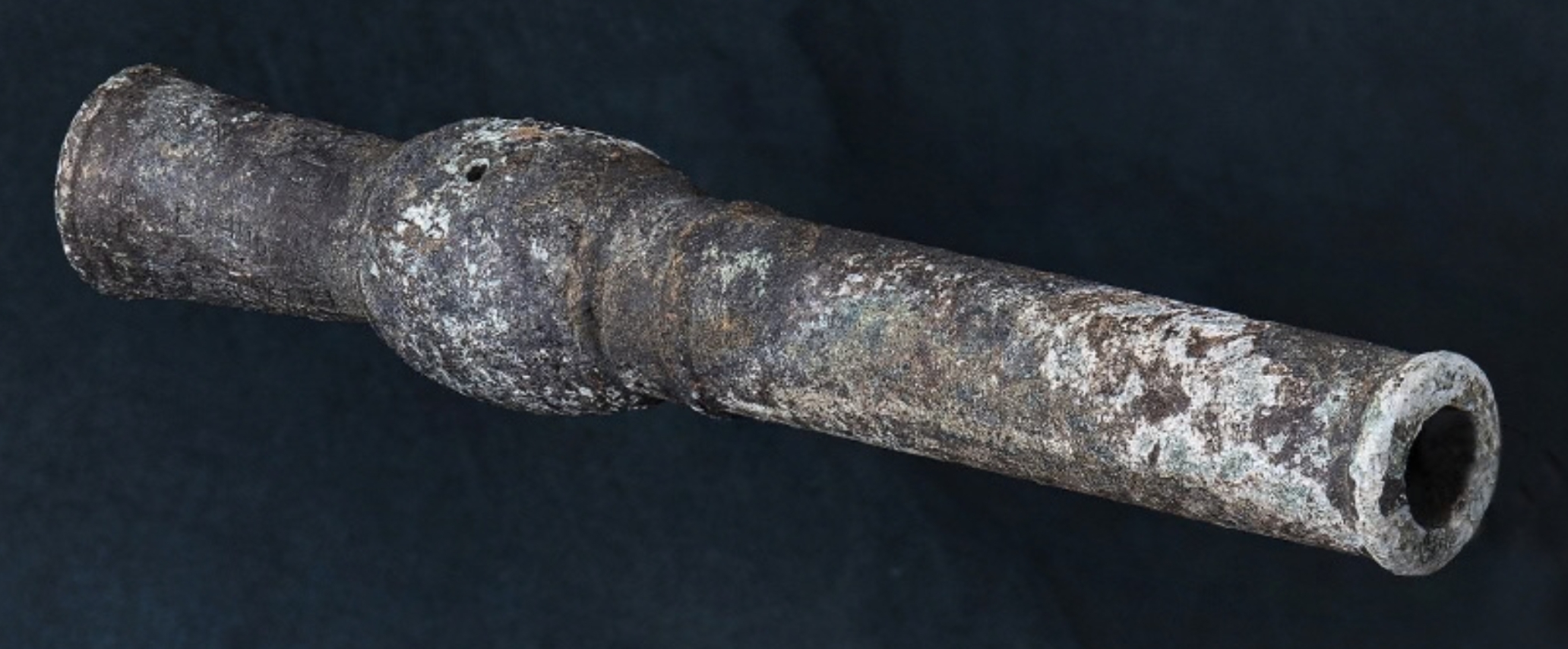
Known as a Hwangja Hwatong, meaning “Yellow-Character Hand Cannon,” the weapon is a cylinder that balloons out three thirds of the way down and ends in a slightly trumpet terminal that is a little wider in diameter that the straight cylindrical end. It is 23.75cm (9.35 inches) long with a bore diameter of 1.66 cm (.65 inches) and weighs 2.8 lbs. The trumpet end would have been mounted to the end of a long wooden staff and the device packed with gunpowder and a projectile (arrows or bullets) to fire out of the muzzle.
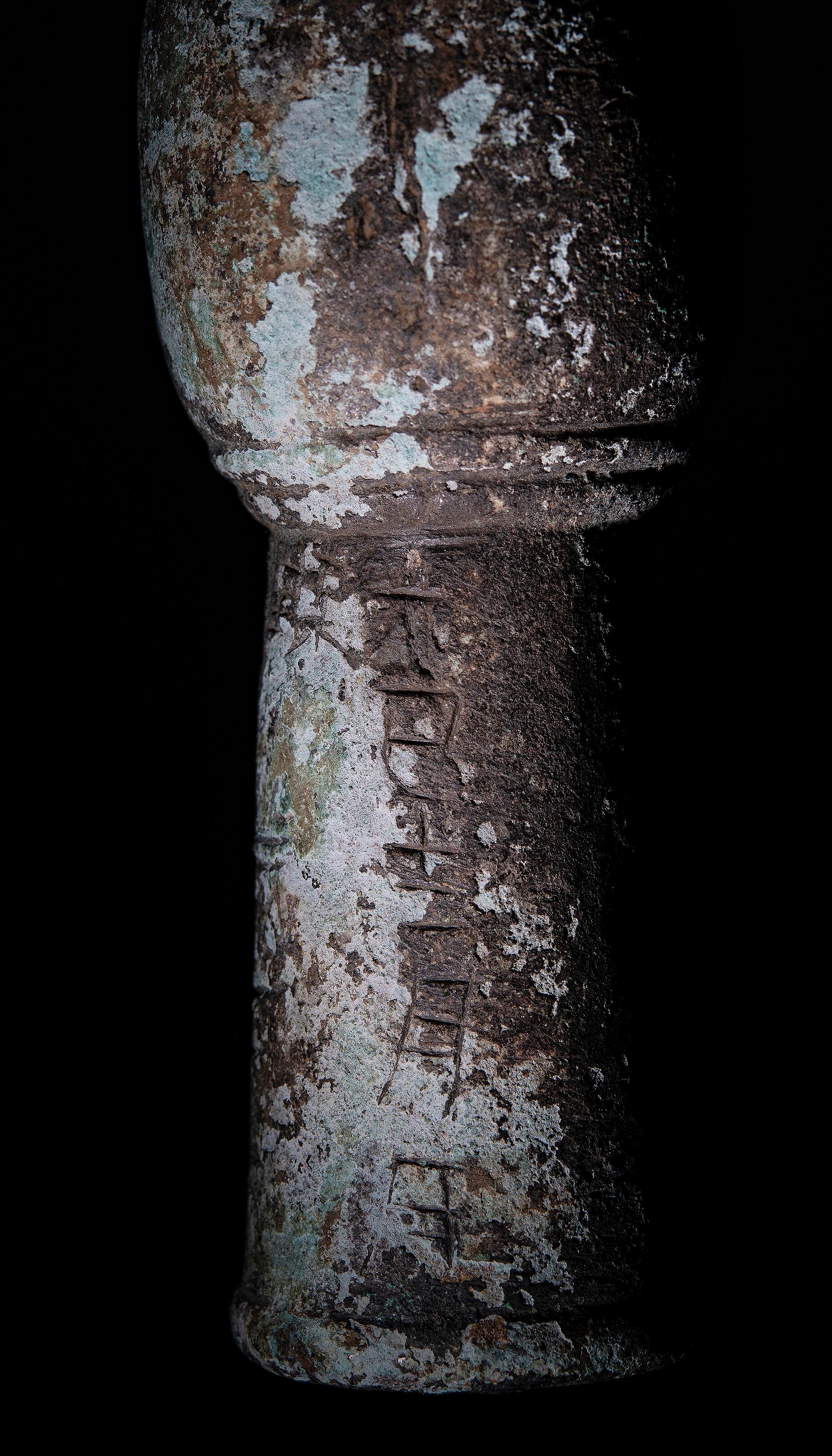
The inscription dates the weapon to a Jeongsa year, narrowing its creation to either December 1377 or December 1437. In 1377, the Goryeo Dynasty established its first state arms agency under the famed inventor Choe Mu-seon to counter naval raids by Japanese pirates. If it was forged in 1437, it originates from the golden age of King Sejong the Great, who spearheaded major artillery standardization.
Either timeline solidifies the hand cannon as the earliest verifiable firearm ever found on the Korean peninsula.
X-ray and metallurgical analyses revealed the cannon was cast from a traditional bronze alloy of copper, tin and lead. Researchers noted that the tin content was kept strictly below 10 percent — a precise engineering choice designed to give the barrel enough ductility to withstand explosive internal pressure without shattering. Residual traces of silver and sulfur further confirmed medieval smelting techniques rather than a modern reproduction.
The Hwangja Hwatong is now on display to the public for the first time at the National Palace Museum of Korea through November 22nd.
* This article was originally published here
Film festival celebrates British-Latino identity
The Latino film festival in the capital will screen 60 films from 27 countries over five days.
from BBC News https://ift.tt/uBkgtaU
from BBC News https://ift.tt/uBkgtaU
Subscribe to:
Posts (Atom)